News, launches and India prices for wearables.
The new Texas suit rests on two patents, one of them issued just two days before filing. Ultrahuman says it will defend itself vigorously and that nothing has been restricted.
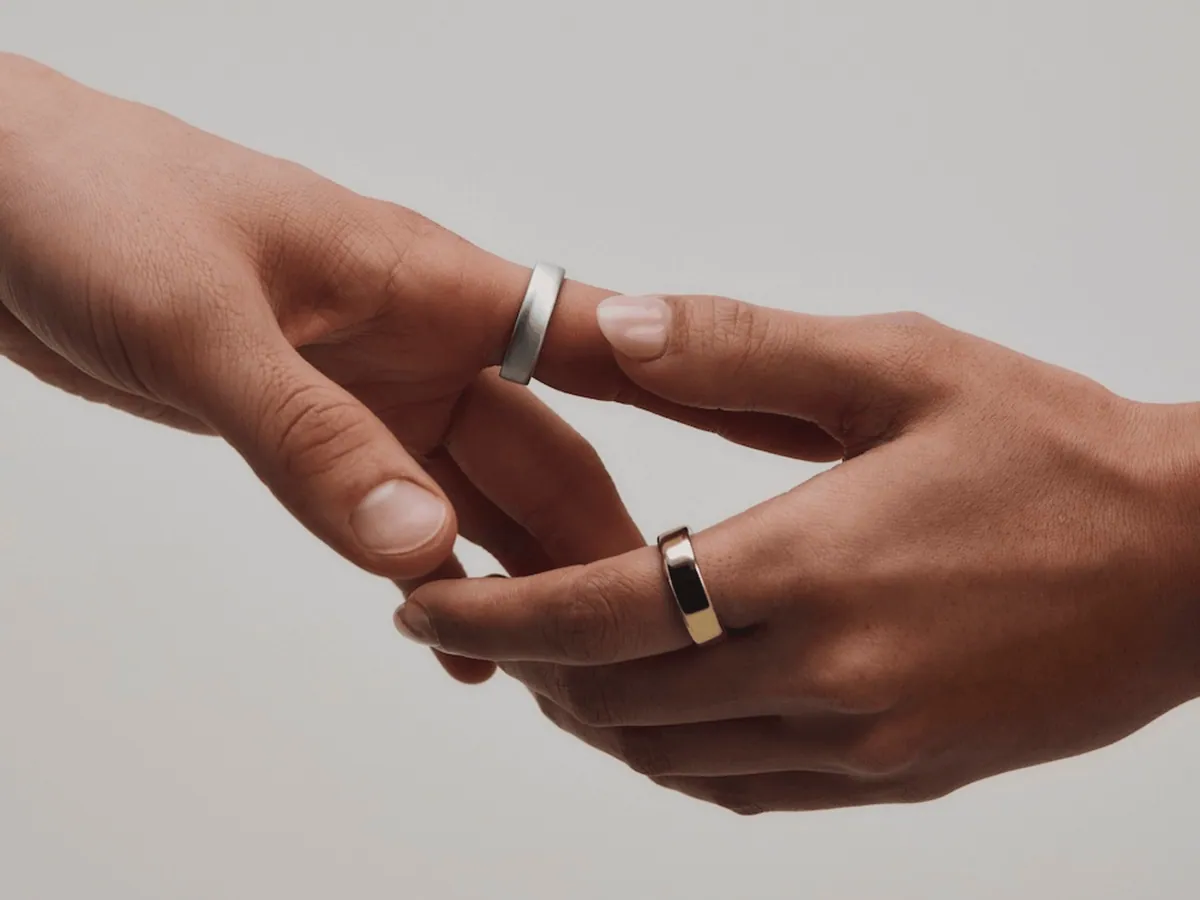
The smart ring is up to 40 percent smaller than the Ring 4, comes in six finishes, and needs a paid membership for most of its insights.
Two new cardiovascular metrics arrive in the Oura app, one tracking weekly training load and the other estimating fitness from walks, runs and hikes you already do.
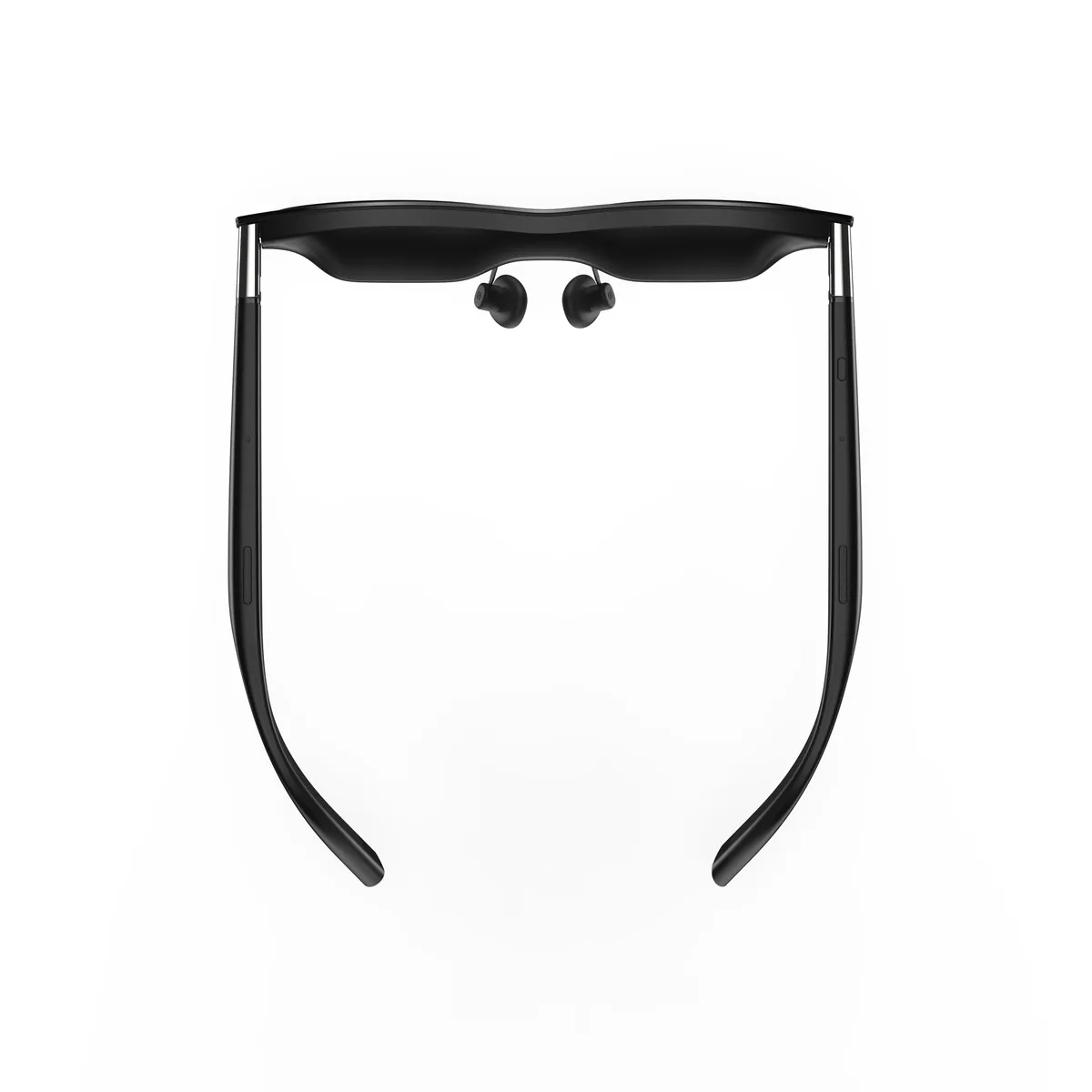
The new glasses keep the same price, field of view and chip as the One Pro, adding a brighter Sony micro-OLED panel, AI HDR and 60fps 2D-to-3D conversion.
The Frontier is on sale now on Amazon, while the Eclipse is listed as coming soon with no ship date. Both record conversations, and the full feature set needs the Pro subscription.
The tracker Google teased last week replaces the Fitbit Charge 6 with a bigger screen, better GPS and a battery owners can swap. Pre-orders are open, with shipping on October 27.
Before launch, the Fitbit Edge's specs and price rested on leaks. Google has since announced it at $179.99, and most of the leaks held up.
The fallback connection let the watches call for help without a carrier plan. After the cutoff, emergency features will need a phone, a Wi-Fi link or a mobile plan.
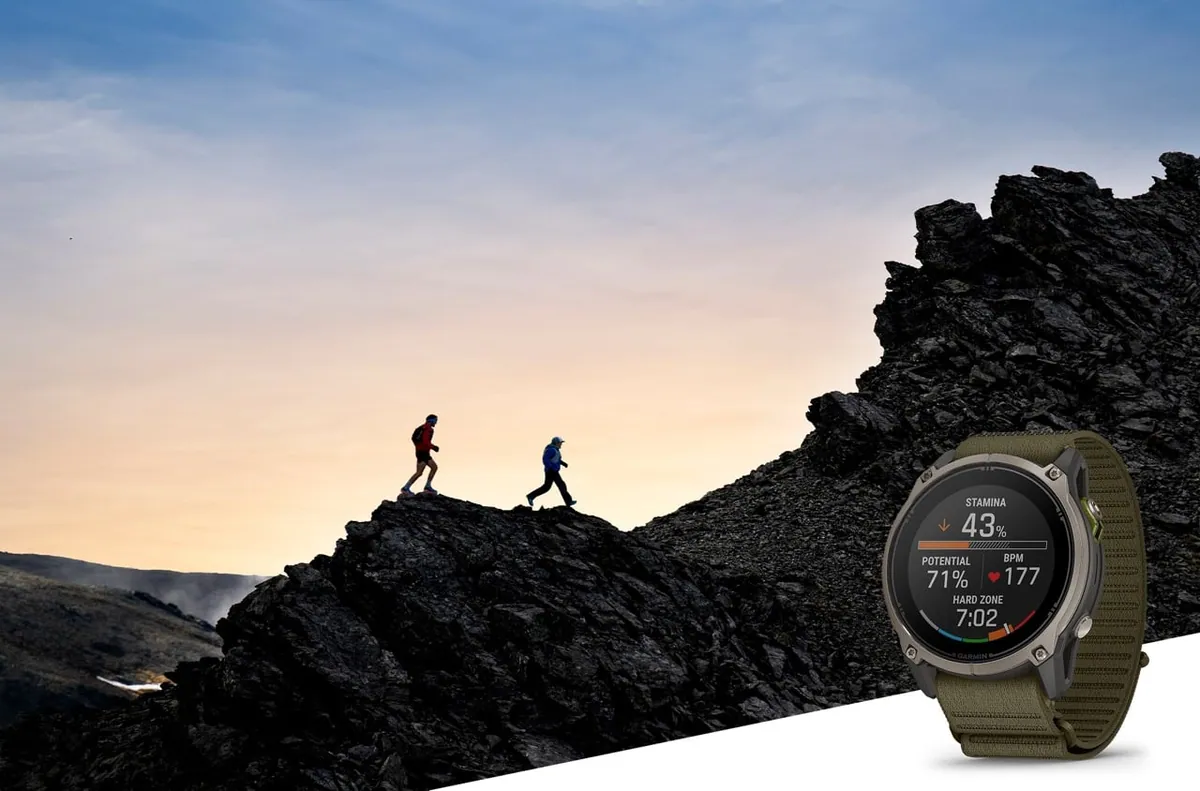
Garmin quotes up to 320 hours in activity mode and 90 days as a smartwatch, both under bright-sun conditions. The gains over the Enduro 3 are in memory, storage and training features.
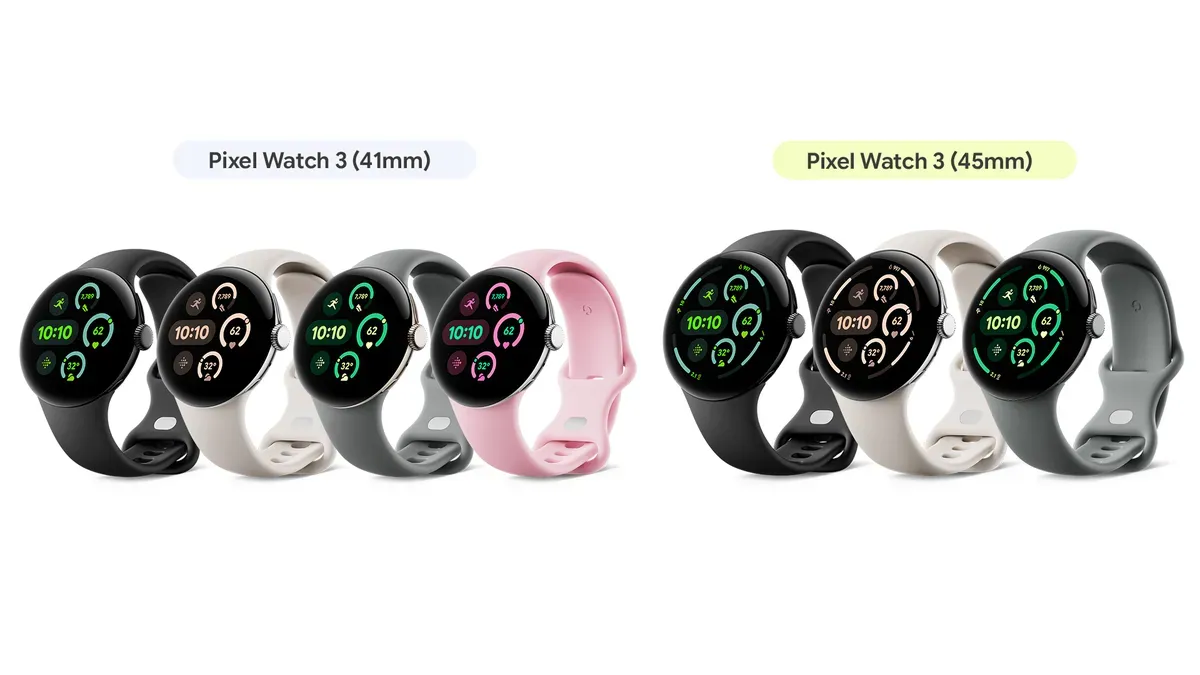
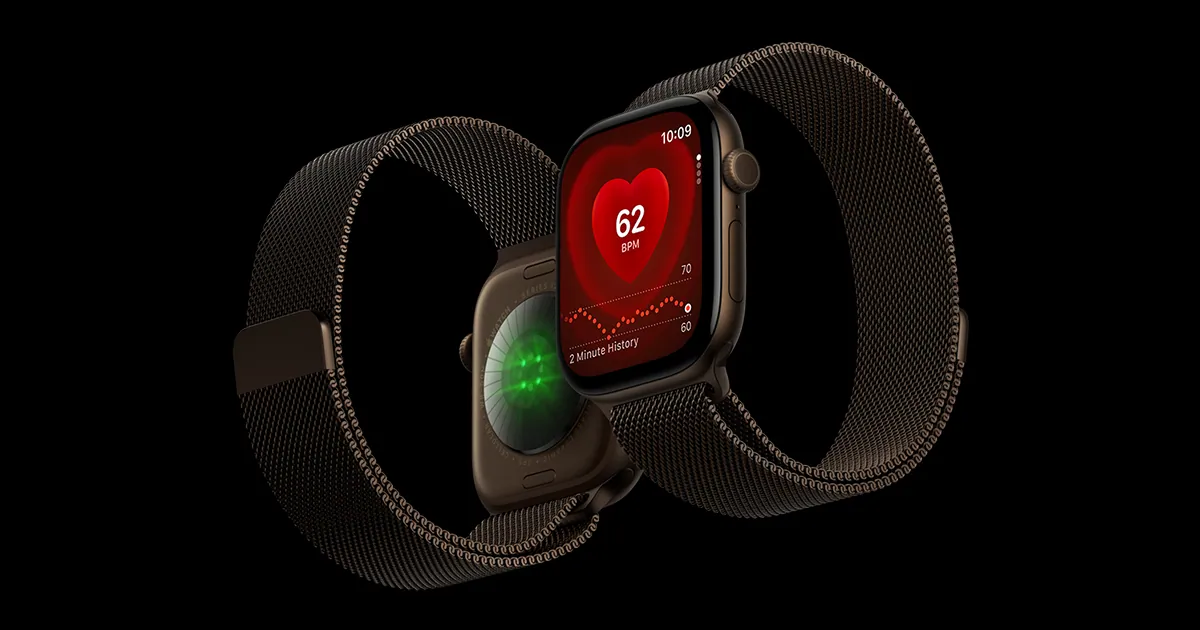
The Series 12 gains a point thanks to a battery pull tab, while the Ultra 4 repeats the Ultra 3's score. Google's Pixel Watch 5 scored 9 out of 10 in the same comparison.
Owners said the optical sensor went dark after 23.39, taking Pulse Ox, HRV, sleep and Body Battery data with it. Garmin began rolling out a fix in 23.40 on October 13.
Retail listings showed a screen that runs close to the edges, apps, notifications and up to seven days of battery. Google has since made the tracker official.
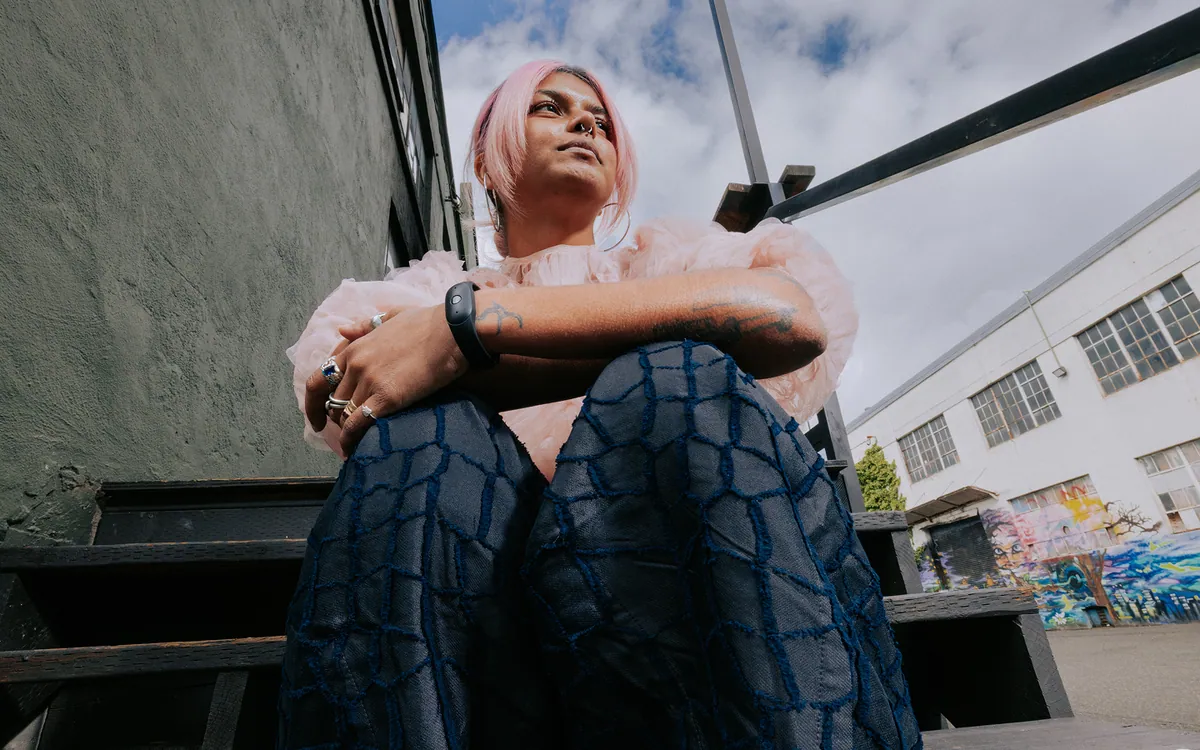
The screenless tracker went on sale on October 2 with a three-month Google Health Premium trial. It costs more than local rivals but well under the Whoop One.
The open-ear buds cost 299,000 won, last up to 9.5 hours per charge and skip noise cancellation, with no other market announced.
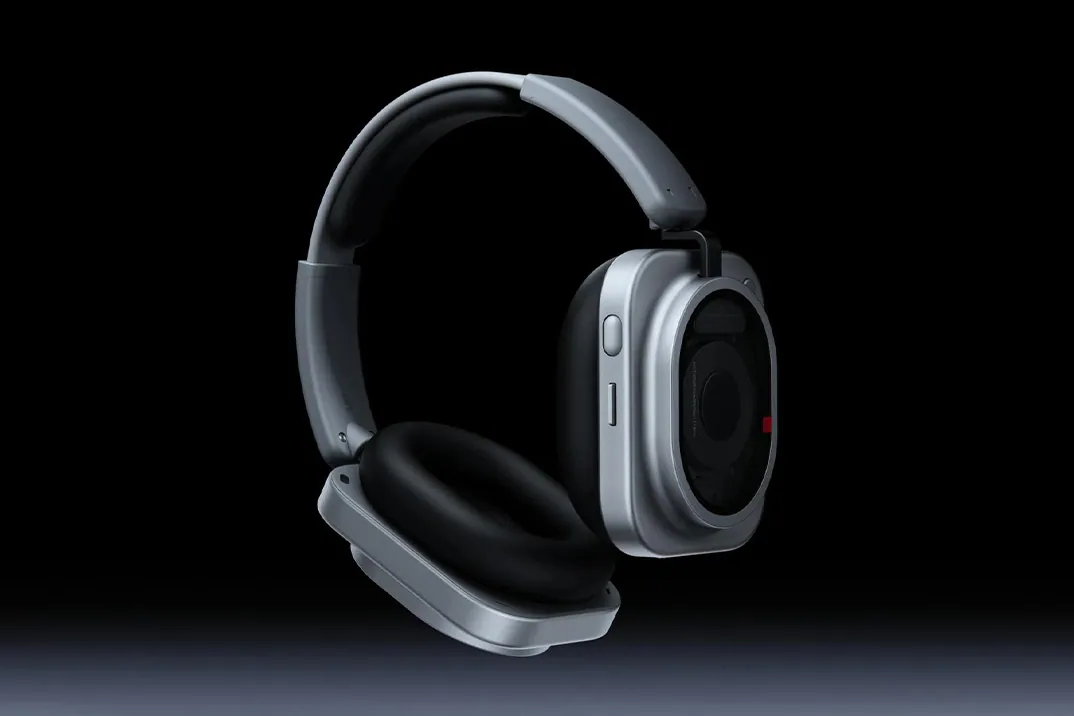
Nothing's flagship over-ear headphones cost $100 more than the original, add an xMEMS treble driver and Metropolis Studios tuning, and drop to 30 hours with ANC on.
Snap priced its first consumer AR glasses in June and used a September 16 event to add an AI assistant and a cellular case. Shipping is set for later this fall.
Bose added a workout-focused Sport Open and a second-generation Ultra Open with Cinema Mode. Preorders opened September 19 and sales began October 1.
Oppo's 8.9mm, 34.4g round smartwatch launched on September 22 alongside the Find X10 series, adding ECG, wrist temperature and a personalised fat-burning heart-rate zone.
Before the September 23 keynote, leaks pointed to two Gen 3 Ray-Ban models, a camera-free pair and a first Meta smartwatch. The glasses arrived; the watch did not.
A September FCC filing for model G8BL6 hinted at a Wear OS successor to the Fitbit Charge. Google launched it on October 12 as the Fitbit Edge, running an updated Fitbit OS.
The Bengaluru smart ring maker's September 3 round includes $65 million of equity and $5 million of debt, at a reported $365 million valuation, and will fund a future ring with Qualcomm silicon.

'/%3E%3Cstop offset='1' stop-color='rgb(84,46,86)'/%3E%3C/linearGradient%3E%3ClinearGradient id='m' x1='0' y1='0' x2='1' y2='1'%3E%3Cstop offset='0' stop-color='rgb(235,220,200)'/%3E%3Cstop offset='1' stop-color='rgb(150,130,120)'/%3E%3C/linearGradient%3E%3C/defs%3E%3Crect width='1200' height='675' fill='url(%23r)'/%3E%3Cellipse cx='450' cy='520' rx='230' ry='28' fill='rgb(0,0,0)' opacity='.3'/%3E%3Ccircle cx='450' cy='320' r='190' fill='none' stroke='url(%23m)' stroke-width='64'/%3E%3Ccircle cx='450' cy='320' r='190' fill='none' stroke='white' stroke-opacity='.25' stroke-width='6'/%3E%3Cg fill='rgb(255,140,120)'%3E%3Crect x='425' y='115' width='50' height='22' rx='8'/%3E%3C/g%3E%3Cg transform='translate(860 330)' fill='none' stroke='rgb(255,215,140)' stroke-width='10' stroke-linecap='round'%3E%3Cpath d='M-120 120H120M0 120V-120M-150 -40L-90 -120 -30 -40M30 -40L90 -120 150 -40'/%3E%3Cpath d='M-150 -40H-30M30 -40H150'/%3E%3C/g%3E%3C/svg%3E)