Oura Adds Cardio Effort and Automatic VO2 Max, Dropping the Six-Minute Walk Test
Two new cardiovascular metrics arrive in the Oura app, one tracking weekly training load and the other estimating fitness from walks, runs and hikes you already do.
Oura announced two new cardiovascular features on October 20, Cardio Effort and Automatic VO2 Max, which together give ring owners a weekly view of training load and a fitness estimate that no longer needs a dedicated test (Engadget, Android Authority). The VO2 Max feature is in Oura Labs and requires a Gen3 ring or later.
| Feature | What it does | Requirements |
|---|---|---|
| Cardio Effort | Weekly cardiovascular load from workouts, in five bands: Light, Fair, Maintaining, Building, Reaching | Baseline after about 2 weeks; rolling 6-week window. Ring generation not clearly stated |
| Automatic VO2 Max | Passive fitness estimate in ml/kg/min, rated Low, Fair, High or Peak | Gen3 ring or later; Oura Labs; first estimate after 5 GPS walks, runs or hikes |
Cardio Effort: a weekly load score
Cardio Effort measures how hard the heart has worked across workouts in a week, counting both duration and intensity, so a short, hard session can count as much as a long, easy one. It sorts the week into one of five bands to show whether recent training is enough to hold fitness steady, push it forward or fall short.
The metric needs time to calibrate: a personal baseline appears after about two weeks and uses a rolling six-week window, so the bands reflect each wearer's own history rather than a generic target. Sources differ on the method. Engadget describes it as based on TRIMP, a long-standing training-impulse model that weights time at different heart rates, while TechCrunch says effort is measured against resting heart rate. Oura has not published the exact formula.
Ring eligibility for Cardio Effort is also reported differently. TechCrunch says Gen3 and later, while Oura's announcement does not state a ring, region or membership requirement for this metric, so check the app before assuming you will see it (T3).
Automatic VO2 Max replaces the walk test
VO2 Max, the maximum rate at which the body can use oxygen, is one of the most widely cited measures of cardiorespiratory fitness. Oura previously called it Cardio Capacity and relied on a six-minute walk test the wearer had to perform deliberately. The new version works passively from GPS-enabled walks, runs and hikes, and shows a first estimate after five qualifying workouts.
Members can still log a VO2 Max reading from another device or a clinical lab in the Oura app, but it is stored separately and does not replace Oura's estimate. Because the feature sits in Oura Labs, it may change, so treat early estimates as indicative rather than clinical.
What is not stated
Oura has not said whether the new metrics need a paid membership, how closely the passive estimate matches the old walk test or a lab measurement, or published any accuracy data. That matters because VO2 Max estimates from wearables vary between brands and users (Wareable); a number that moves over five workouts is more useful as a trend line than as a single figure to compare with a friend's watch.
Why it matters
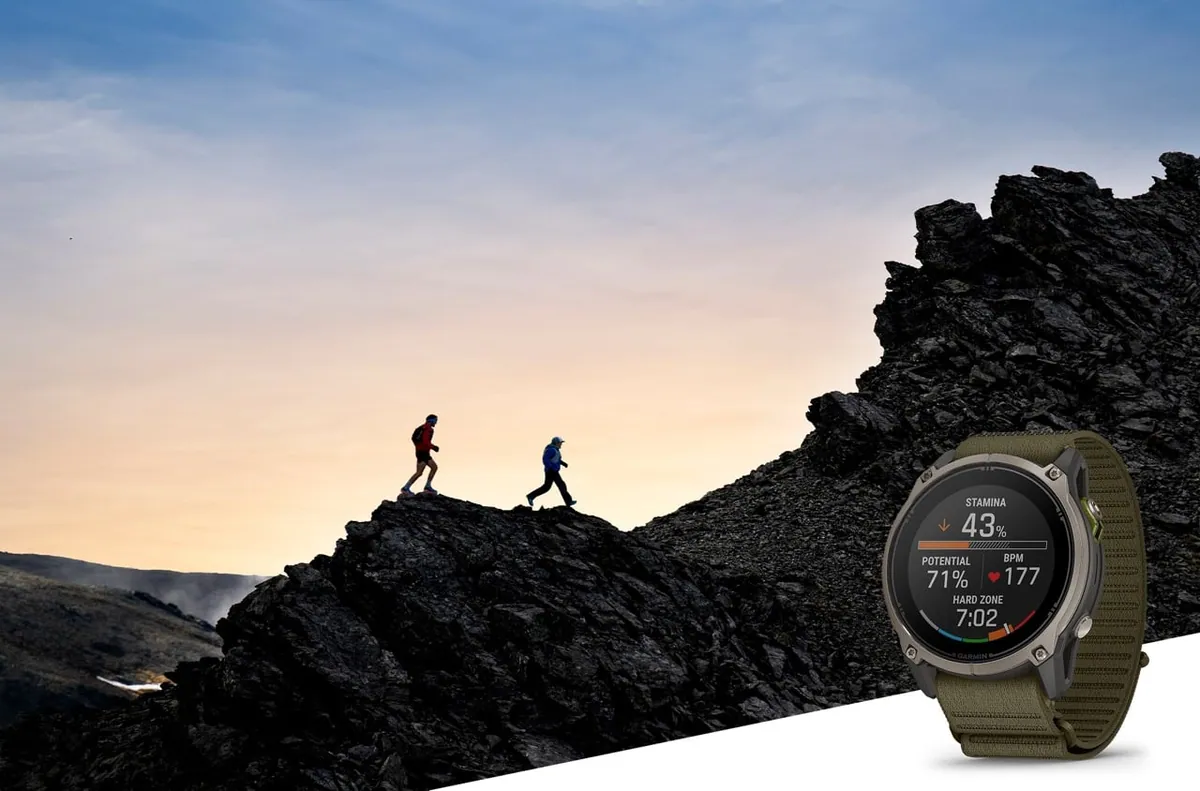
Training-load and fitness scores have long been standard on sports watches such as Garmin's, and rings are catching up. Moving VO2 Max from a deliberate test to a background estimate lowers the effort for casual users, the people least likely to run a walk test. The trade-off is that both measures depend on GPS workouts and consistent wear; someone who mostly lifts weights or walks without recording will see fewer estimates.
Oura's newest ring, the Ring 5, is now on pre-order in India from Rs 39,900, and both features are listed among those available there.
What to watch next
Whether the features need a membership, any validation data against lab VO2 Max testing, and the VO2 Max feature leaving Oura Labs.