Ultrahuman Raises $70 Million in a Round Led by Qualcomm Ventures, With Labcorp Joining
The Bengaluru smart ring maker's September 3 round includes $65 million of equity and $5 million of debt, at a reported $365 million valuation, and will fund a future ring with Qualcomm silicon.

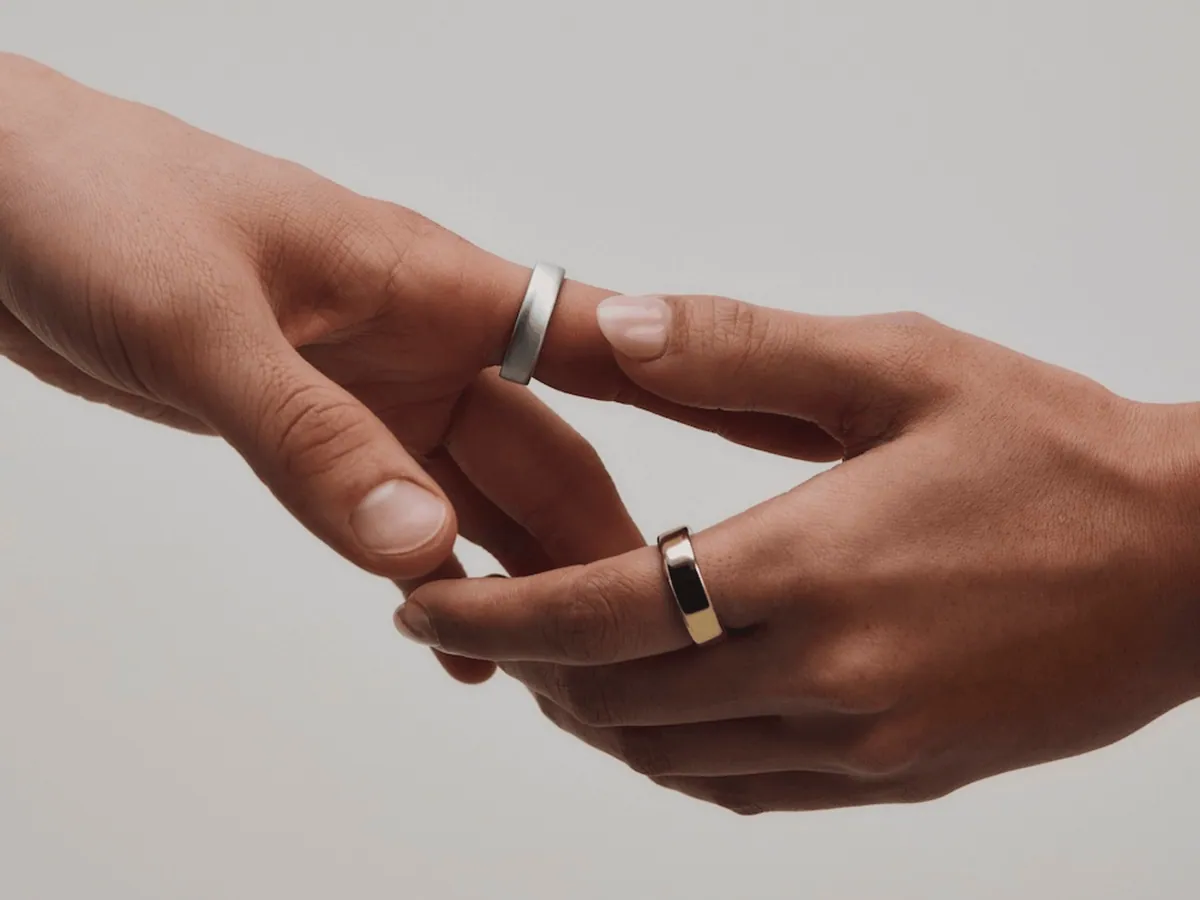
Bengaluru-based Ultrahuman, maker of the Ring AIR smart ring, raised $70 million in a round announced on September 3. Qualcomm Ventures led it, and lab testing giant Labcorp also invested. The round is notable less for its size than for who wrote the cheques (TechCrunch, YourStory).
| Detail | Ultrahuman round |
|---|---|
| Total | $70 million ($65 million equity, $5 million debt) |
| Lead | Qualcomm Ventures |
| Other investors | Labcorp, Alpha Wave, Blume Ventures, Nexus Venture Partners, Alteria Capital |
| Valuation | About $365 million (reported, unnamed source); about $120 million in 2023 |
| Use of funds | Sensing, AI, miniaturised electronics, health algorithms, clinical research |
The valuation figure comes from a person familiar with the matter cited by TechCrunch, not from the company (Pulse 2.0).
Why Qualcomm and Labcorp matter more than the number
Neither is a typical wellness-wearable investor. Qualcomm makes the chips in most of the world's smartphones, and Ultrahuman says it is working with Qualcomm on a future ring that uses Qualcomm silicon, so more software can run on the ring itself. It will keep using Nordic Semiconductor chips alongside Qualcomm's. Labcorp runs one of the largest clinical lab networks in the world, and its involvement points to ambitions beyond fitness tracking: clinical validation could move Ultrahuman's data from consumer wellness toward something doctors trust (Android Central).
Founded by Mohit Kumar and Vatsal Singhal, Ultrahuman built its name by skipping the screen and betting that people want continuous health data, such as sleep, heart rate variability and recovery, without another device on their wrist and without a subscription wall. Kumar describes the raise as a step from wearable health company toward a "human-computer interface" company built around the body.
A crowded but growing category
Smart rings are no longer a novelty. Oura built the category, Samsung and others have joined, and competition now turns on accuracy and clinical credibility rather than design. Clinical partnerships with Labcorp, if they produce real results rather than a marketing line, would set Ultrahuman apart in a market where most players make similar accuracy claims without third-party validation. Ultrahuman also faces patent litigation from Oura in the US.
The bigger test is turning clinical credibility into a product people want to wear every day. Rings are less obtrusive than smartwatches, but they still have to survive daily wear, charging habits and the question of whether the data changes what anyone does.
An Indian hardware company on the global stage
Ultrahuman is an Indian company designing and selling its own hardware internationally, rather than assembling other companies' devices. Raising money from Qualcomm and Labcorp, neither of which has to invest in India, gives Indian health tech a global benchmark.
What to watch next
Watch for a next-generation ring with Qualcomm silicon inside, and whether any Labcorp work produces published clinical data.