The first customer cars received FSD (Supervised) v15.0.1 on November 21, with Elon Musk promising a wide release in December.
· 3 min read
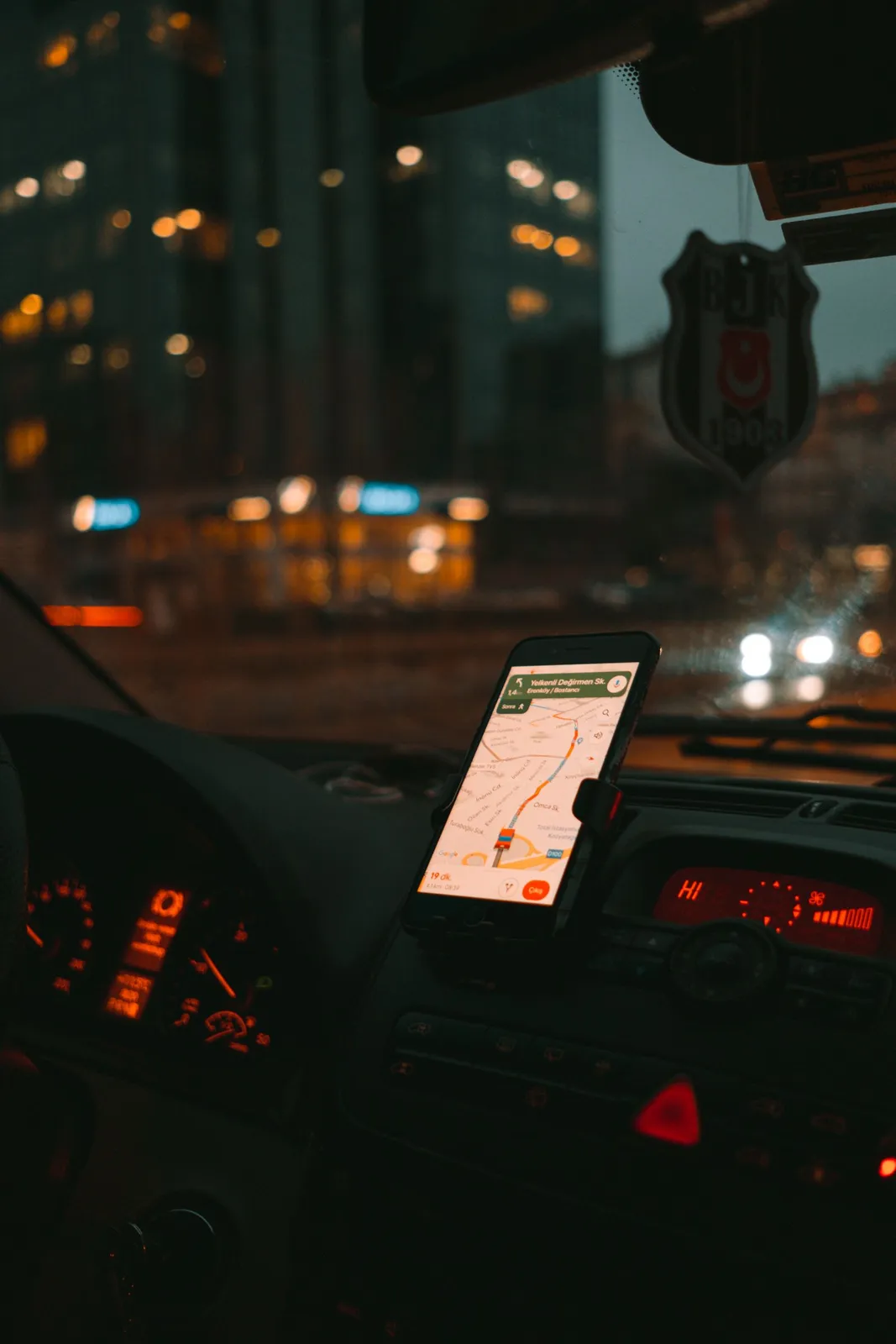
Tesla began sending Full Self-Driving (Supervised) v15 to a first group of customers on Saturday, November 21, the biggest rewrite of its driver-assistance software in years. The headline feature is Reality View, a live, generated picture of the road that shows what the car plans to do next.
What is in v15.0.1
The first customer cars are getting FSD v15.0.1 inside software update 2026.38.6.11, according to Tesla Oracle's copy of the release notes. Tesla announced the rollout on X, saying v15 upgrades every part of the end-to-end driving network, the single AI model that turns camera video into steering, braking and acceleration. Before this, the newest build on customer cars was v14.3.13, which shipped in update 2026.44.1.
Reality View is a generative visualization streamed from a virtual camera above the car. Where the old display drew cars, lanes and objects as computer graphics, the new one renders the whole street and lets the driver see and control what FSD intends to do. Drivers can show it full screen, beside the map or in a quieter layout, and follow upcoming turns from it. Musk called it real-time AI video generation with no game engine, and reporting from paultan.org says it uses half of one of the AI4 computer's accelerators. On November 22 Musk compared the new view to a video game, a line that sits neatly beside the GTA 6 launch everyone has been talking about.
The release notes list several smaller changes. FSD can now slow down for speed cameras. A new Bike Rack Mode lets drivers enable FSD with bike racks or similar hitch accessories fitted. Tesla also cites navigation fixes, better detection and avoidance of potholes, debris and animals, and more natural speed handling in school zones and bad weather. Later v15 releases are meant to extend the route visualization to the entire trip.
Who gets it and when
Tesla has not said how many cars are in the first wave or which countries are included, though reports describe a small group of early-access owners in the United States. Musk wrote that v15 goes to wide release next month, and Tesla's annual Holiday Update is the expected vehicle for it.
Hardware matters here. Musk said on the April earnings call that v15 will run on the AI4 computer, often called HW4, and that older Hardware 3 cars simply cannot achieve unsupervised FSD. Owners of those cars run a cut-down v14.3 Lite branch, and Tesla has not said whether they will get v15. For the large installed base of older Teslas, the launch is therefore news about a feature they may never see.
Claims to treat carefully
Tesla's launch material says v15 handles safety-critical situations 25 times better, a figure the company supplied and nobody has independently verified. The release notes also describe a new vision encoder shared between FSD, the Robotaxi service and the Optimus robot, trained on millions of internet videos.
Context is worth keeping in view. Electrek noted in April that Musk had made similar safety promises for v12 and v14, and Tesla's timeline for unsupervised driving has slipped before. Musk said in April that customers would probably get unsupervised FSD in the fourth quarter of this year, while Tesla's AI chief Ashok Elluswamy said on the October call that the first customer cars could join the Robotaxi fleet around the second quarter of next year. The v15 release notes do not describe the software as unsupervised. Gadgets365 reported that slip in its Tesla third-quarter results story.
Why it matters for Tesla's autonomy plan
Tesla said on its second-quarter call that some Robotaxi vehicles were already running early v15 builds, and it has repeatedly tied broader Robotaxi expansion to finishing v15. A customer rollout is therefore the clearest sign yet that the software is leaving the controlled fleet. It also lands while Tesla manages other changes in its lineup, including the planned wind-down of Cybertruck production.
What to watch next
The signals to follow are how smoothly the early-access wave goes, whether Tesla publishes eligible regions for the December wide release, and whether independent testers can reproduce anything close to the claimed safety gains. Reports suggest the first cars belong to the same Early Access Program group that normally receives new builds first, so owner feedback over the coming days should show whether Reality View holds up on ordinary roads. The other open question is whether HW3 cars will get v15 in any form.
Published November 23, 2026. Gadgets365 will update this article as more information becomes available.
Editor
Pravin KankanePravin Kankane is the editor of Gadgets365, an independent technology publication based in Pune, India. He covers smartphones, AI, Apple, Android and consumer tech launches in India.