The deal gives Google's space-based AI research programme a scheduled ride, but the rocket has been grounded since a pad explosion in May.
· 3 min read
Google has signed a launch services agreement with Blue Origin to fly satellites for Project Suncatcher, its research into whether solar-powered spacecraft can run AI workloads in orbit. A New Glenn rocket is targeted to carry the satellites into sun-synchronous orbit in the first quarter of 2029, both companies announced on November 19, according to Via Satellite.
What was announced
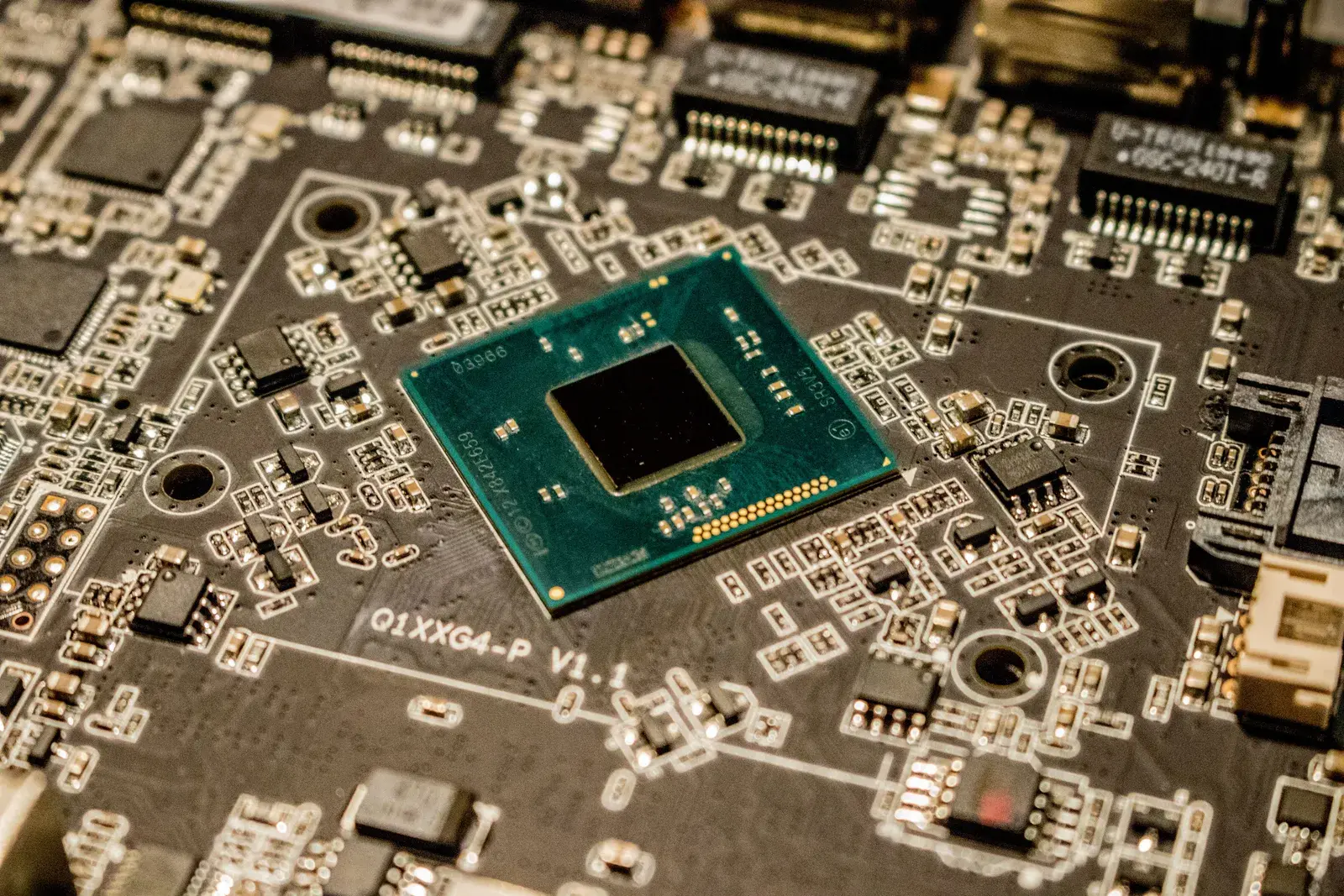
It will be the first launch dedicated entirely to Suncatcher and the first heavy-lift mission in the programme. Each satellite will carry Google's Tensor Processing Units, the chips it designs for AI, with roughly the capacity of a data-centre rack, said Travis Beals, Google's senior director for the project. The companies did not say how many satellites Google plans to fly, and financial terms were not disclosed, FourWeekMBA noted.
Beals described Suncatcher as a long-term moonshot to scale AI infrastructure in space using the abundant solar power available in orbit, and called the Blue Origin deal a crucial milestone on the roadmap. Sun-synchronous orbit keeps a satellite in near-constant sunlight, which suits solar-powered compute, though the chips still produce heat that must be dumped through space-rated cooling hardware.
The road to 2029
Google first described Suncatcher in November 2025 as a system of solar-powered satellites with TPUs linked by free-space optical connections. A prototype built with Planet reached orbit on an October SpaceX rideshare mission, and Google reported on October 30 that it had powered up the TPU hardware and completed early machine-learning tests, including a response from an onboard Gemma 4 model, according to Converge Digest.
The Next Web reported that Google plans to link two satellites in 2027 before the larger New Glenn launch. That intermediate step addresses two of the hardest problems the company has to solve: keeping satellites in tight formation so they can talk to each other by laser, and cooling chips in a vacuum, where air cannot carry heat away. Neither has been demonstrated at rack scale.
A rocket that is not flying yet
The launch vehicle carries its own risk. A New Glenn rocket exploded during a static-fire test at Cape Canaveral's Launch Complex 36 on May 28, destroying the vehicle and heavily damaging Blue Origin's only operational pad, according to news reports at the time. The Next Web reports that the rocket's return to flight has slipped to January. Blue Origin has also said it plans to add launch capacity, including a larger pad, though those facilities are not yet built.
A deal for early 2029 gives Blue Origin time to recover, and it gives the company a named customer for orbital compute, a market it has not previously served. SpaceX, by contrast, launched Google's first prototype. For Google, booking a second launch provider spreads its risk across competing rockets as it pursues a technology that nobody has yet demonstrated at scale.
Why put data centres in orbit
The idea behind Suncatcher is that AI demand is outstripping power supply on Earth. Industry coverage has increasingly focused on the strain: the International Energy Agency expects data-centre investment to reach $4 trillion by 2030, and fewer than 100 major AI projects would together need about 50 gigawatts of power, according to Bloomberg's account of the agency's report. Orbit offers continuous solar energy, but it brings launch costs, radiation and maintenance problems that ground-based sites do not have.
The IEA's warning came as Alphabet's chief investment officer Ruth Porat said companies building data centres need to invest in jobs in the communities that host them, amid local backlash. In that setting, a project that moves some compute off the ground is attractive to Google's planners, even if it remains a research effort.
What to treat as unproven
Suncatcher is a research programme, not a product. Google has not said whether it expects the satellites to be commercially useful, what workloads they would run or how much they would cost relative to ground-based data centres. The companies have not disclosed the launch contract's value, and a first quarter 2029 window could move if New Glenn's recovery takes longer than expected.
The nearer-term milestones are easier to watch: the 2027 two-satellite test, New Glenn's return to flight and any technical update on cooling and communications. If those go well, 2029 could show whether rack-scale compute in orbit can work at all. If they slip, the date will slip with them, and the idea will remain a long-range bet rather than a practical answer to the strain on power grids.
Published November 21, 2026. Gadgets365 will update this article as more information becomes available.
Editor
Pravin KankanePravin Kankane is the editor of Gadgets365, an independent technology publication based in Pune, India. He covers smartphones, AI, Apple, Android and consumer tech launches in India.