The Financial Times reports that trading firms are being asked to pay far more than the prices agreed in their contracts, as memory costs climb.
· 3 min read
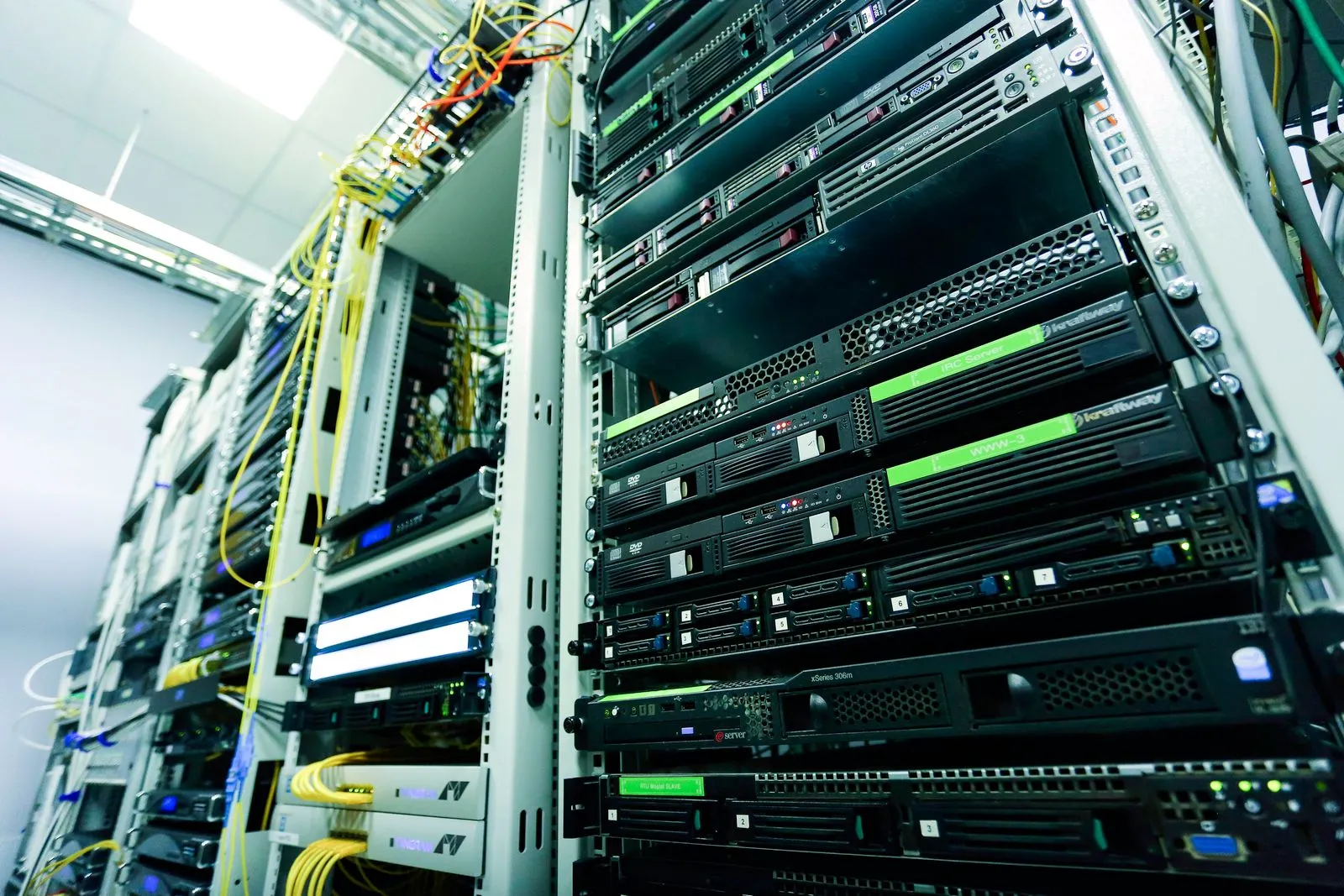
Dell, HPE, Lenovo and Supermicro are asking buyers of Nvidia-based AI servers to pay substantially more than the prices written into their contracts, with increases reaching 45 percent, the Financial Times reported on November 22. The suppliers blame soaring memory and component costs, and the buyers hit hardest so far are financial trading firms building their own data centres.
What the Financial Times reported
According to the report, as summarized by several outlets, the four suppliers are seeking higher payments when the servers are ready for delivery, months after the deals were signed. One person familiar with the matter said buyers are seeing increases of 25 percent, 30 percent and in some cases 45 percent. Jane Street, Optiver and Hudson River Trading were named among the affected trading firms, and the FT said those firms are largely accepting the higher bills because they need the equipment.
Whether the contracts actually allow such changes is unclear. Buyers approached by the FT did not confirm their terms. HPE and Supermicro declined to comment, and Dell and Lenovo did not respond to repeated requests. HPE has gone furthest, according to Startup Fortune, by making post-signing repricing an explicit clause in its AI server orders.
The court case that shows the stakes
The clearest public example is a dispute in Ireland. XTX Markets, through its subsidiary XTX Finland, sued Dell in the Irish High Court in June over a large AI server purchase. XTX says the two sides had agreed a fixed price of about $549 million and that it paid an extra $5 million to secure that price certainty. Reports put Dell's requested increase at roughly $62 million to $70 million, which works out to between 11.3 percent and 12.8 percent of the agreed price. Dell has argued in court that rising component costs are the reason and that it will not absorb tens of millions of dollars of losses on one order.
Why memory is driving the increases
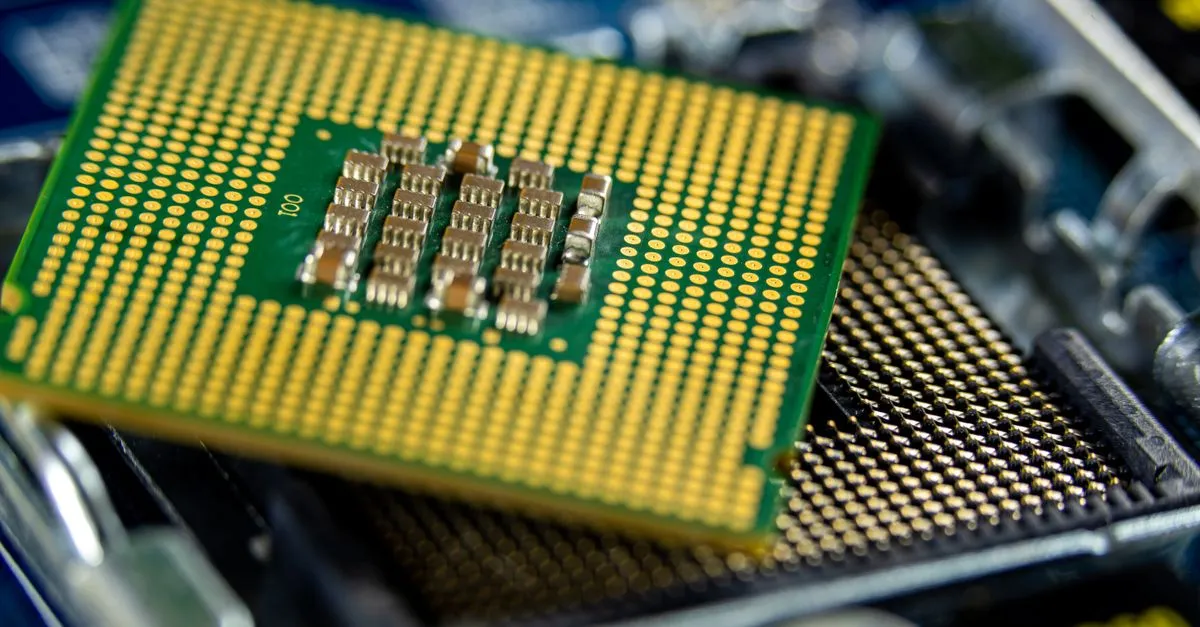
HPE chief executive Antonio Neri has said memory and storage now account for more than half the cost of a traditional server. JPMorgan, as cited in coverage of the FT report, puts memory cost inflation at more than 400 percent since early 2024. It says GPU-server prices have risen at least 20 to 30 percent while CPU-node prices have tripled or more, and that server DRAM contract prices climbed about 90 percent in the first quarter of 2026 alone.
The pattern is consistent with what the industry has been signalling for a year. In December 2025, The Register reported that Dell, Lenovo, HP and HPE were planning server price increases of around 15 percent and PC increases of around 5 percent. Bloomberg reported more recently that Nvidia planned to raise AI server prices by more than 15 percent as memory supply tightened. What is new this week is that the increases are being applied to orders already under contract, which is a different problem from list-price rises that buyers can plan around.
Gadgets365 has followed the squeeze through Microchip's warning about 32-week lead times, Lenovo's record quarter that still slipped into an operating loss, and Nvidia's $115.8 billion quarter.
Who ends up paying
Startup Fortune points out that data centre operators such as CoreWeave and Nscale borrow against signed customer contracts to buy hardware. If an operator has a fixed-price lease with a customer and a floating-price purchase order with a server maker, the gap comes straight out of its margin. Large hyperscalers can absorb delivery-time cost risk, while smaller buyers financing capacity against fixed customer prices cannot.
That is why the legal question matters beyond one lawsuit. If courts decide that a signed price is not binding when component costs spike, buyers will need contract language that caps repricing, and suppliers will have more room to push costs downstream. If courts hold suppliers to the original figures, vendors with thin margins on large orders could face losses of their own.
What to watch next
Three things deserve attention. The first is the outcome of the XTX case against Dell, which may be an early test of how firm an AI server price really is. The second is whether more buyers go public with disputes now that the FT has surfaced the pattern. The third is the next round of earnings from the four suppliers, where margins, backlog and memory costs should show whether the increases are sticking.
Published November 23, 2026. Gadgets365 will update this article as more information becomes available.
Editor
Pravin KankanePravin Kankane is the editor of Gadgets365, an independent technology publication based in Pune, India. He covers smartphones, AI, Apple, Android and consumer tech launches in India.