The first US licence for data centres in orbit comes with deployment deadlines and an unresolved debris question above 600 km.
· 3 min read
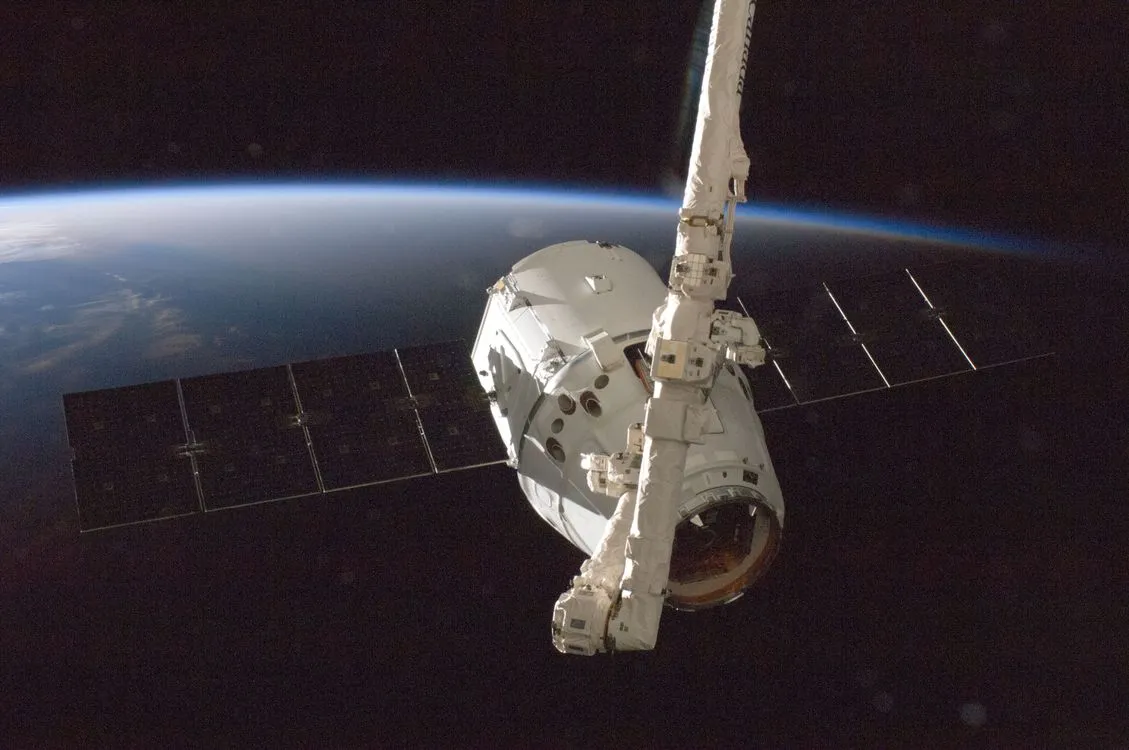
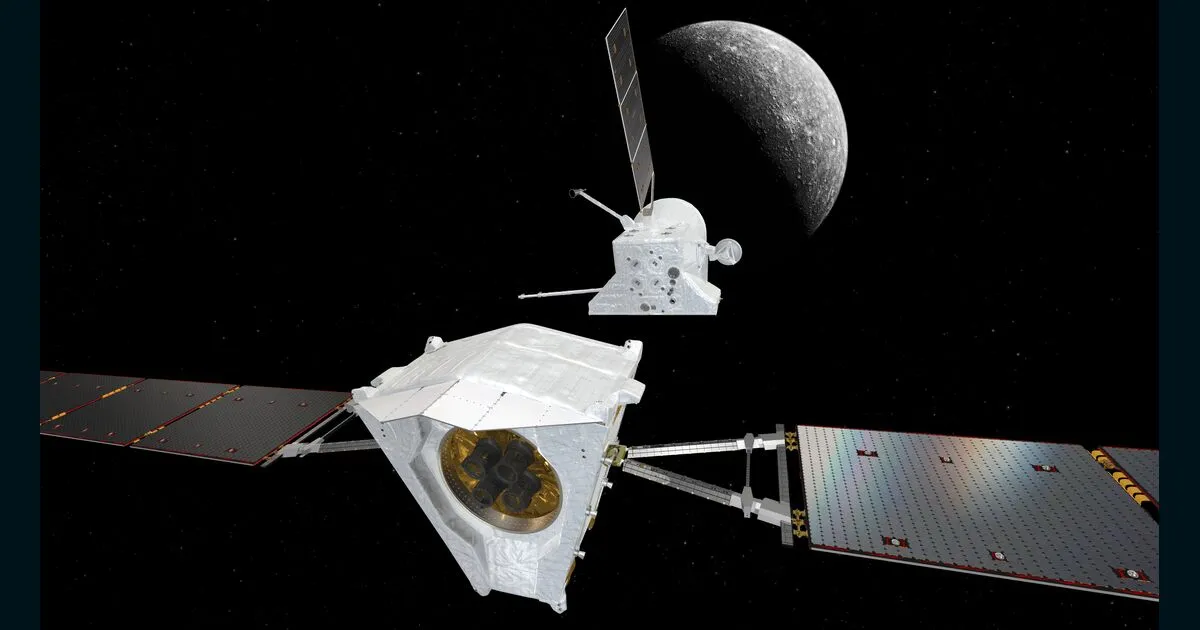
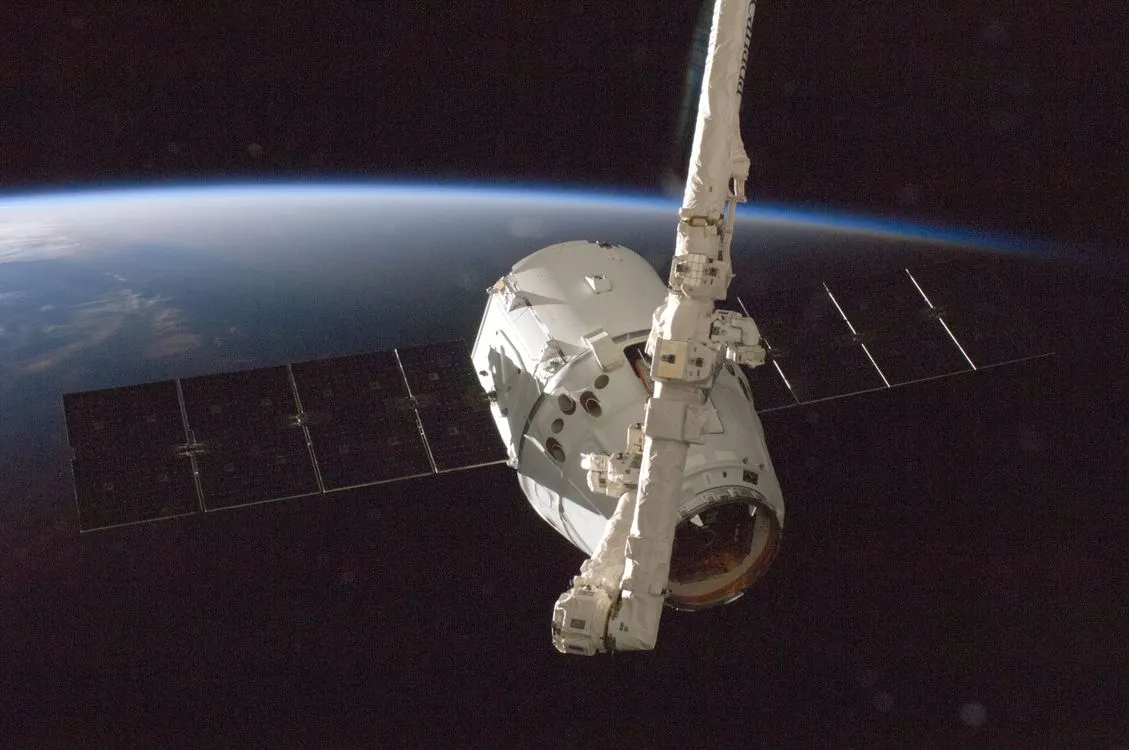
The US Federal Communications Commission has conditionally authorised SpaceX to deploy and operate up to one million Starmind satellites built to work as AI data centres in orbit. It is the first US approval for a constellation of this kind.
The FCC's Space Bureau adopted and released order DA 26-1273 on November 25. It grants SpaceX's January application in part, holds back some requests and attaches deadlines that stretch to 2040.
What the order allows
The authorised design spans altitudes from 500 km to 1,002 km, arranged in orbital shells 50 km wide, using both 30-degree and sun-synchronous inclinations. That is narrower than the January proposal, which reached up to 2,000 km.
Most traffic is meant to travel over laser links, between the new satellites and through SpaceX's Starlink network down to ground stations. The radio permission is limited. SpaceX may use 18.8 to 19.3 GHz for downlinks and 28.6 to 29.1 GHz for uplinks only for backup and emergency telemetry, tracking and command. Those links get no protection from interference, and SpaceX must stop any operation shown to be causing harmful interference until the problem is fixed.
SpaceX's Starmind page describes the first satellite design, AI1, as having a 75 metre wingspan and a deployed height of 30 metres, with a computing payload rated at up to 250 kW at peak and 175 kW on average. These are company figures, not licence terms.
The 600 km line
The biggest limit concerns space debris. The bureau found SpaceX's mitigation plan compliant only for satellites below 600 km. Before any Starmind spacecraft goes higher, the company must file a modification containing a final debris plan. According to Tech Times, four of the six shells listed in the order sit above that threshold.
The bureau also deferred a separate request to retire some higher satellites into disposal orbits or orbits around the Sun instead of bringing them down through the atmosphere, saying it did not yet have enough information to judge the alternative.
Deadlines through 2040
SpaceX must have at least one authorised satellite working in its assigned orbit by November 25, 2033. It needs 10 percent of the maximum, or 100,000 satellites, by November 2035 and half by November 2038. The remainder must be launched and operating by November 2040. Missing a checkpoint voids the authorisation. The 15-year licence term starts when SpaceX certifies that its first Starmind satellite is operating in line with the order.
The company's own timetable is much faster. Space.com reports that SpaceX aims to launch the first satellites in the third quarter of 2027 on Starship, the fully reusable rocket that reached orbit for the first time in September.
Objections the FCC turned down
The bureau denied petitions from Amazon's Kuiper Systems, satellite operator Viasat and the American Astronomical Society. It required no environmental review, applying a Commission position that licensed space operations fall outside the National Environmental Policy Act. It added no extra optical astronomy conditions, citing SpaceX's commitment to coordinate with the National Science Foundation.
It also declined to judge the business case for orbital computing. The order should therefore be read as permission tied to radio spectrum and orbits, not as proof that the system will work.
FCC Chairman Brendan Carr welcomed the decision in a statement reported by Space.com.
"This action opens a bold new frontier for the computing infrastructure..."
Brendan Carr, FCC Chairman
Why the scale matters
The number on the licence dwarfs anything flying today. Space.com puts the total satellites launched since 1957 at roughly 28,000, while the current Starlink network, the largest constellation ever operated, has about 11,000 spacecraft. A million satellites would need an enormous launch rate, and crowding raises the risk of collisions. A licence ceiling is also not a build commitment, and it remains unclear whether SpaceX will ever fly the full number.
Solar power is the attraction. Satellites in suitable orbits can collect near-constant sunlight and shed heat into space, avoiding the grid, land and water constraints that slow data centre construction on the ground.
SpaceX has competition. Blue Origin has filed for its own data-processing constellation, and Google has booked New Glenn to carry rack-scale AI satellites in early 2029. The FCC says it is reviewing other orbital data centre proposals. The spending behind AI hardware on Earth remains large, as Dell's latest AI server backlog shows.
Next, watch for SpaceX's debris filing for the higher shells, its first launch date and the FCC's rulings on rival applications.
Published November 26, 2026. Gadgets365 will update this article as more information becomes available.
Editor
Pravin KankanePravin Kankane is the editor of Gadgets365, an independent technology publication based in Pune, India. He covers smartphones, AI, Apple, Android and consumer tech launches in India.