The Amsterdam District Court heard demands to stop covert recording, restrict AI use of footage and block sales until Meta complies.
· 4 min read
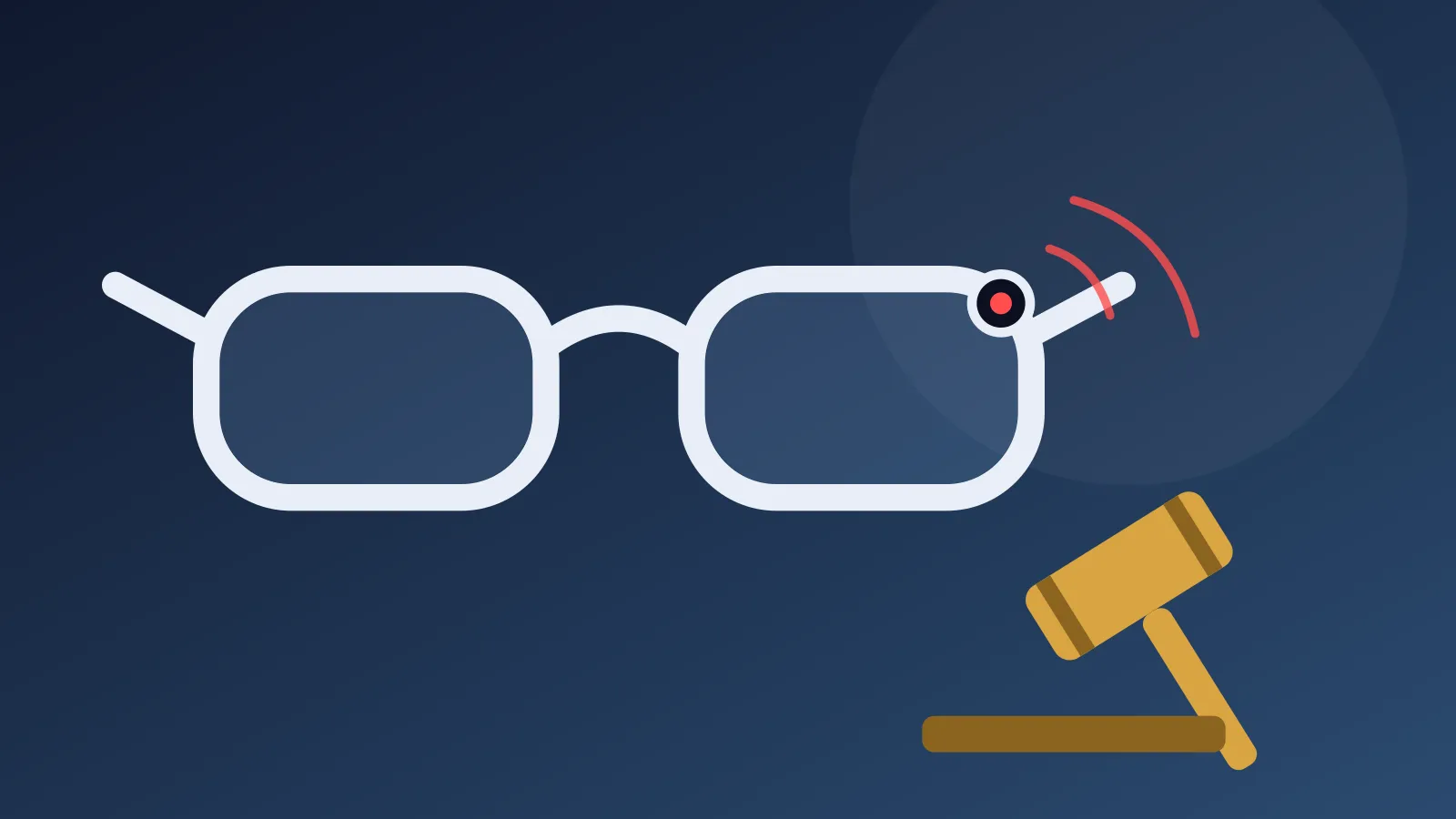
Dutch consumer and digital rights groups asked the Amsterdam District Court on November 26 to halt sales of Meta's AI smart glasses in the Netherlands, arguing that wearers can film people without their knowledge. Meta told the court the suit should be rejected, Reuters reported.
The defendants are Meta and EssilorLuxottica, the eyewear group that owns Ray-Ban. The plaintiffs include the Consumentenbond, the country's main consumer association, and Offlimits, which campaigns against online sexual abuse. The digital rights foundation The Firewall brought its case alongside Offlimits. These are summary proceedings, a fast-track route that can produce an order within weeks.
What the groups want
According to Reuters, the plaintiffs want Meta to stop the glasses being used to record people who do not know about it, to stop using recordings to train AI models and to suspend sales until it complies. They also seek penalties of 100,000 euros per day for each defendant, capped at 100 million euros.
The organisations frame their demands differently. The Consumentenbond says a recording light alone is not enough, because it is hard to notice and can be covered. It wants the design and default settings changed to limit privacy risks, and it wants the unlawful processing of data for AI to end. It has also argued that any ban should make room for people with a medical need, such as blind or partially sighted users.
Offlimits and The Firewall go further. They want an immediate ban in the Netherlands on glasses that can capture images or sound without prior explicit consent, including sales through shops and websites. For pairs already sold, they want recording disabled unless the people being filmed have agreed. They also ask the court to stop Meta processing such footage without a valid legal basis, transferring it to countries with weak privacy protection or using it for AI training.
In court, Offlimits lawyer Karlijn Han said there was no doubt that covert recordings were also being made in sensitive places, naming changing rooms, swimming pools, hospitals and playgrounds among her examples.
How Meta and EssilorLuxottica responded
Meta lawyer Bastiaan Kemp said the requested measures would hurt legitimate users and the company's competitive position, and would amount to a product recall without addressing similar devices from others. He also said a light on the frame makes recording obvious.
"Providers of products cannot be held responsible for every instance of deliberate misuse," Kemp told the court, as reported by Reuters.
Meta denied the Consumentenbond's allegations that it processes images recorded by the glasses in Europe, or uses them to train AI models, in breach of European law. A lawyer for EssilorLuxottica said the eyewear company neither processes nor can access the footage. A ban would be disproportionate and ineffective, the lawyer argued, because other manufacturers sell comparable products. None of these claims has been decided by the court.
Why the ruling matters beyond one country
Any order would apply to the Netherlands, but Reuters said it could set a precedent as pushback spreads. Meta and EssilorLuxottica sold more than 7 million smart glasses in 2025, about 80% of the global market, according to the news agency.
The Dutch privacy regulator advised consumers this month not to buy smart glasses, saying they are unsafe for wearers and bystanders. Retail chain Hans Anders suspended sales of Meta's Ray-Ban glasses in the Netherlands and Belgium in October. The Consumentenbond's timeline records that online retailer Wehkamp also stopped selling them.
Germany's national consumer federation announced its own legal action against Meta and Ray-Ban on November 24. In October, the European Data Protection Board called for stronger safeguards. The Consumentenbond says the board's non-binding recommendations include larger, brighter indicator lights, with audio signals or voice activation as other possible aids. Meta also faces proposed class actions in the United States over alleged improper sharing of private images gathered by the glasses.
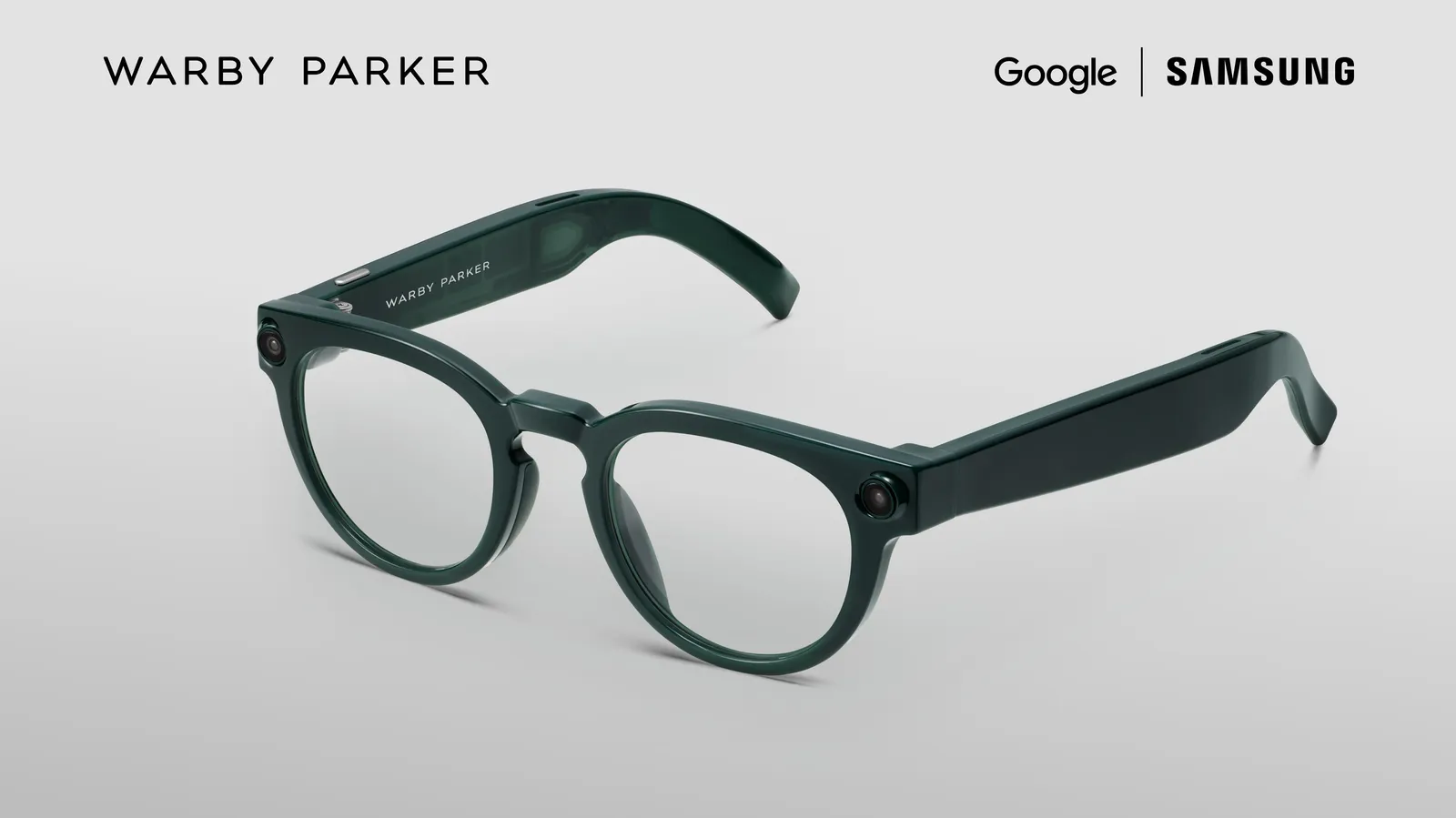
The dispute arrives as Meta widens its range, which we examined in our look at Meta Connect 2026. Rivals are entering the category too, including Warby Parker with Android XR eyewear. Privacy concerns about AI tools reading personal content have also led apps to respond, as when Signal blocked screenshots by default.
India pricing and availability
The case concerns sales in the Netherlands, not India. Here, Ray-Ban Meta Gen 2 starts at Rs 39,900 and Gen 3 starts at Rs 44,300, according to Indian eyewear seller listings. Polarised and Transitions lenses cost more, and offers vary by seller.
What to watch next
The Firewall lists December 10 as the expected ruling date. Reuters said no date had been set but a decision was expected in mid-December. The key questions are whether the judge finds the matter urgent enough for interim relief, whether any order targets sales or product design, and how it treats glasses already in use.
Published November 26, 2026. Gadgets365 will update this article as more information becomes available.
Editor
Pravin KankanePravin Kankane is the editor of Gadgets365, an independent technology publication based in Pune, India. He covers smartphones, AI, Apple, Android and consumer tech launches in India.