Xiaomi's compact flagship turns its rear cameras into selfie cameras and carries one of the best telephotos around, but a shrunken global battery, weak ultrawide and ad-laden software dull the pitch.
· 6 min read
The Xiaomi 18 Pro is the most distinctive compact Android flagship of the year, and also the first Xiaomi Pro phone to reach buyers outside China at a price that matches the iPhone. This is our spec and analysis review. It rests on Xiaomi's official specifications and on the hands-on testing published by Tech Advisor, PhoneArena, Android Headlines and others, not on a Gadgets365 review unit.
Design and the back display
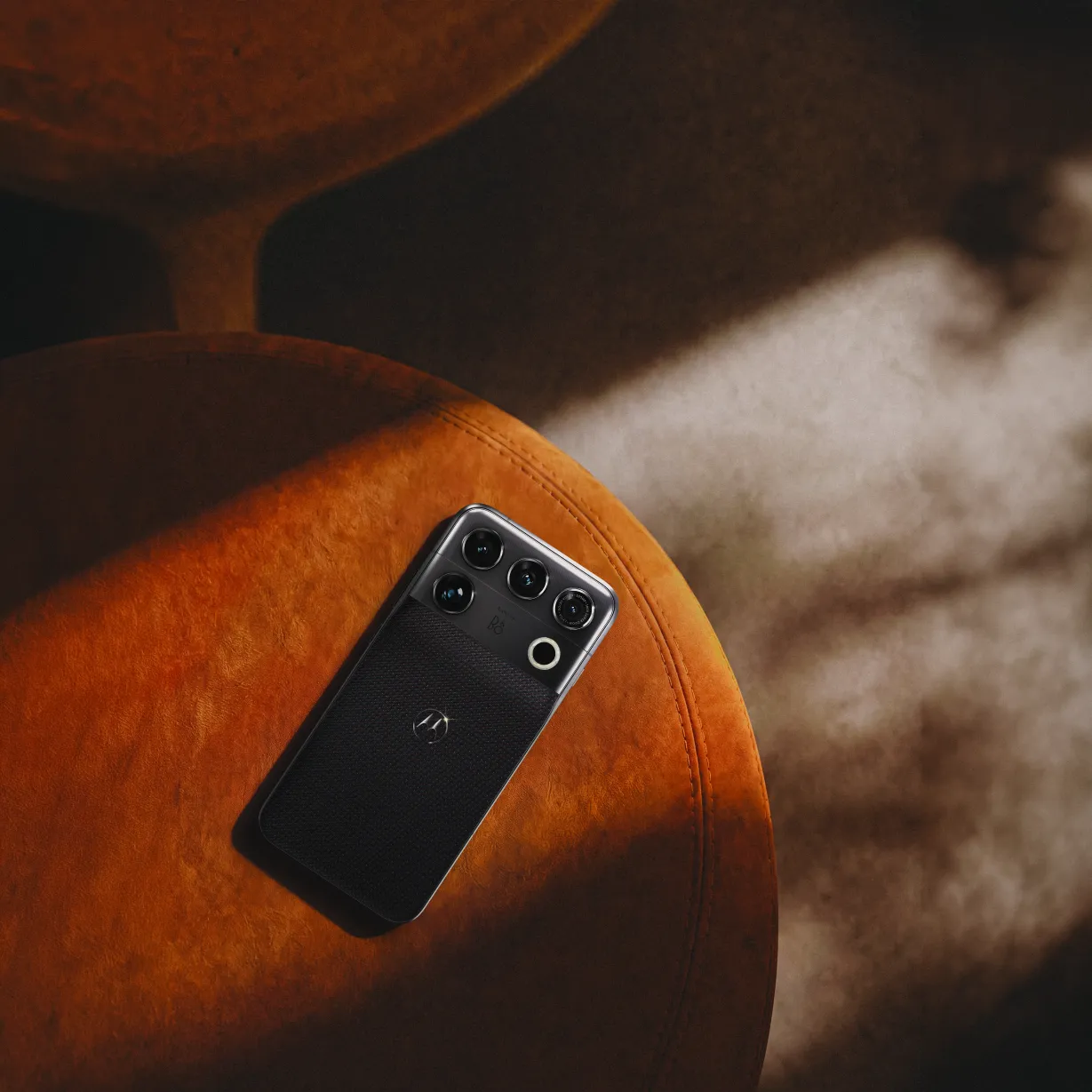
The 18 Pro does not hide its inspiration. It is almost the same size as the iPhone 18 Pro, its Velvet Red finish echoes Apple's burgundy, and the name itself skips a number to line up with Apple's. At 151.8 by 72 by 8.5 millimetres and 198 grams, though, it is noticeably lighter than the iPhone, and reviewers who like small phones were quick to praise it. It carries an IP68 rating, Gorilla Glass Victus 2 on the back, and ships with pre-applied screen protectors and a clear case in the box.
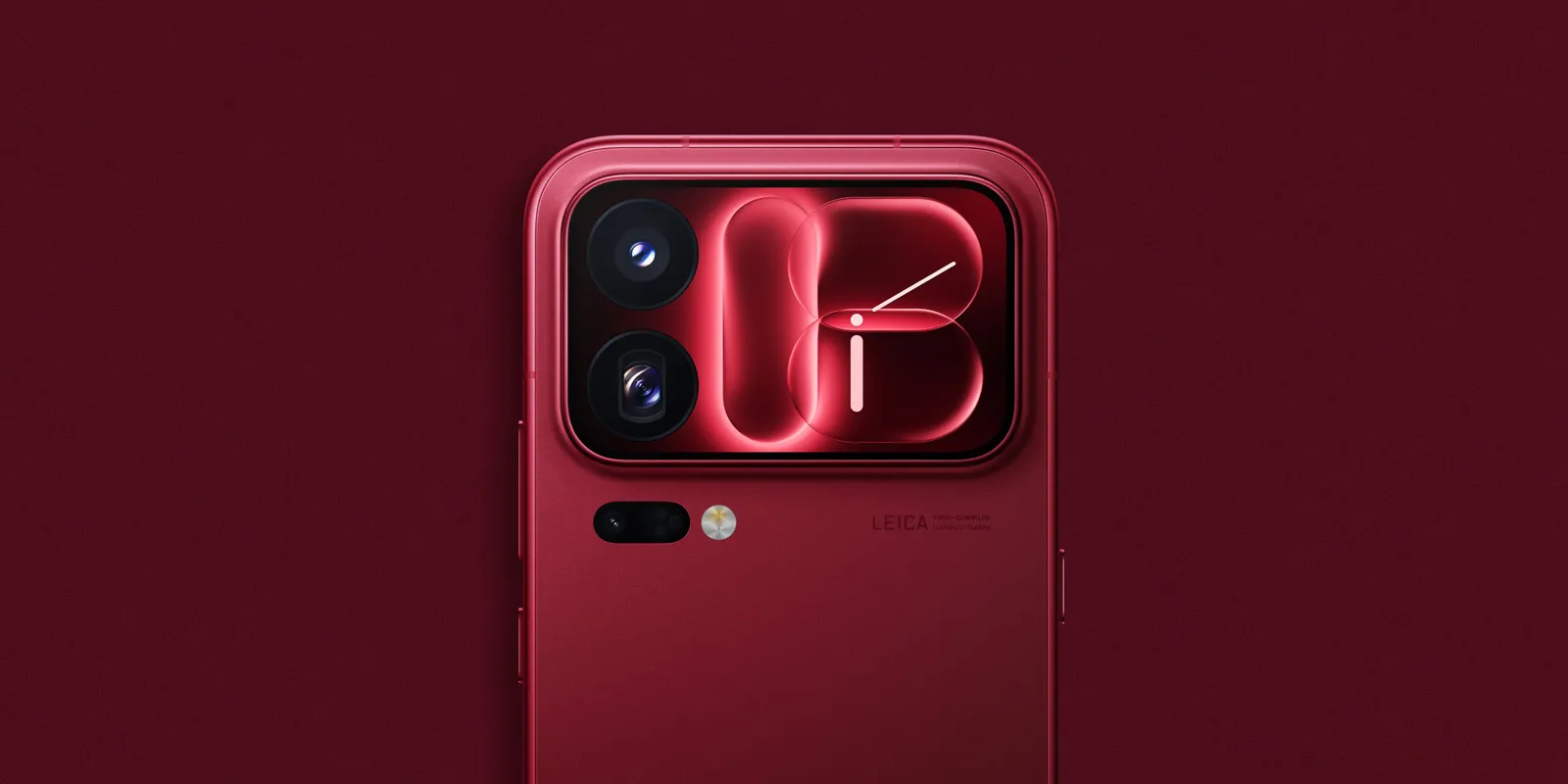
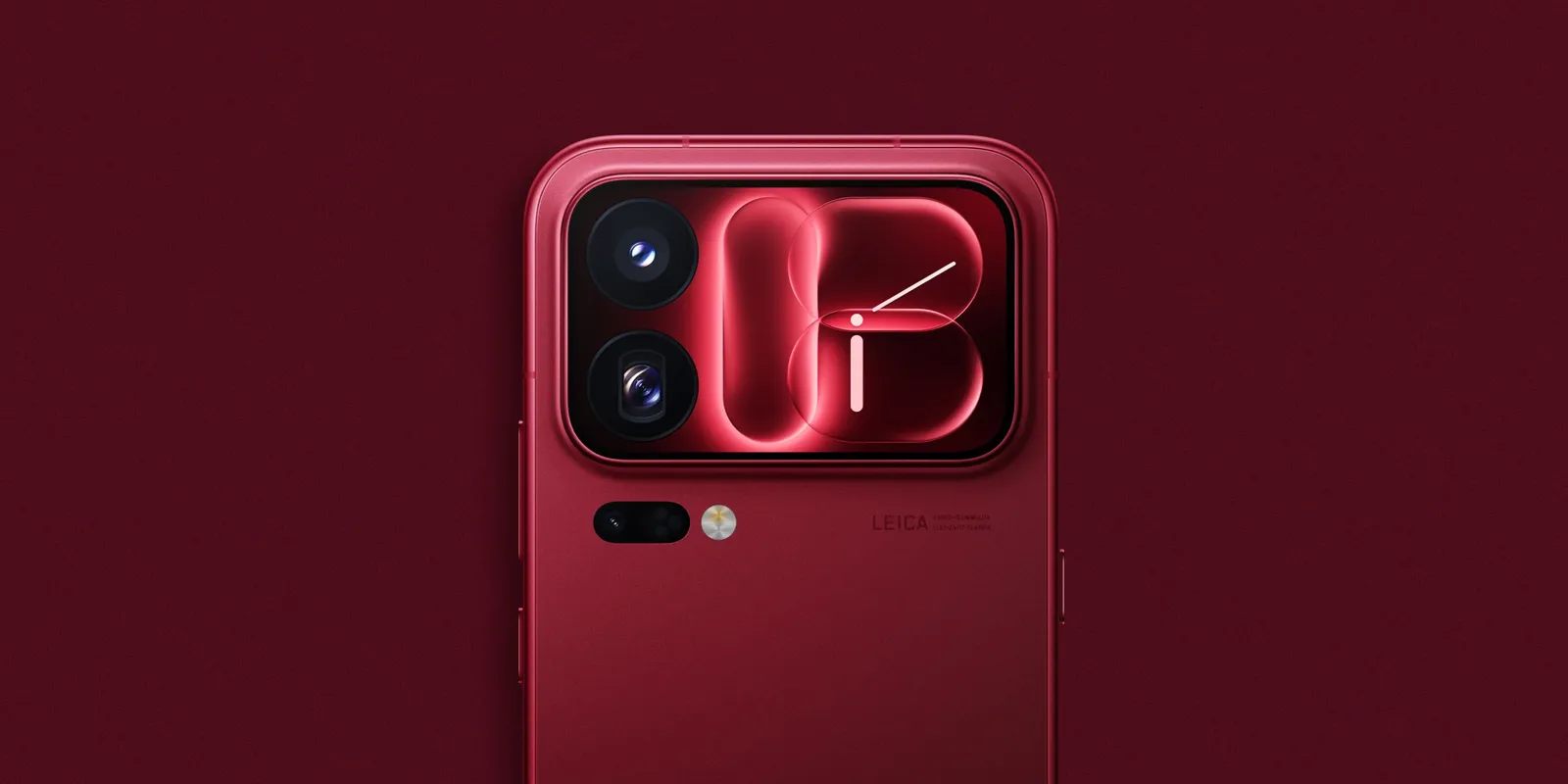
What sets it apart is the 2.7-inch OLED panel beside the camera glass. It shows the clock, calendar events, notifications and animated wallpapers, and a generative AI builder lets you describe a small app in a sentence or two and run it there. Tech Advisor's reviewer made a dice roller on the first try. The real payoff is the viewfinder: you can shoot selfies and video of yourself with the main and telephoto cameras instead of the weaker front camera. Android Headlines tested the larger Pro Max and added that the raised panel keeps the camera area flat enough that the phone does not wobble on a table.
The back screen is the reason to buy this phone. The battery, the ultrawide and the software are the reasons to hesitate.
Display and Privacy Display
The 6.4-inch front panel is a 2436 by 1120 LTPO OLED running from 1 to 120Hz, with Dolby Vision, a claimed 4,000 nits of peak brightness and a 2,160Hz PWM dimming rate that should suit people sensitive to flicker. Xiaomi has also copied Samsung's Privacy Display idea, and it can use the selfie camera to spot someone looking over your shoulder. The execution is weaker than Samsung's. Both Tech Advisor and Android Headlines found that the screen dims at an angle but stays readable if you look hard, and the effect works from the sides only. PhoneArena also noticed that viewing angles lose some brightness even with the feature switched off. The shortcut button on the left edge is similarly limited, offering only silent mode, Do Not Disturb, the privacy mode, voice notes and AI translation.
Performance
The 18 Pro runs the Snapdragon 8 Elite Gen 6, Qualcomm's first 2nm phone chip, with 12GB of RAM and UFS 4.1 storage in 256GB or 512GB. Tech Advisor found it fast in everyday use and held roughly 60 frames per second in a demanding open-world game at maximum settings, with only occasional stutter. Benchmarks are less dramatic. Geekbench 7 single-core scores landed around 2,800 at Tech Advisor and PhoneArena and 2,607 at Android Headlines, with multi-core around 9,000 in the first two tests. PhoneArena's conclusion was blunt: no meaningful gain over the previous generation in its standard tests, and Snapdragon scores that sit well below the iPhone 18 Pro Max. The gain this year looks like efficiency rather than speed, and few owners will feel the gap in daily use.
Cameras
This is where the 18 Pro justifies itself. The main camera is a 200MP Leica unit with a 1/1.28-inch sensor and an f/1.7 lens, and the periscope telephoto is also 200MP, at 3.2x optical zoom and 75mm. PhoneArena liked the practical focal length and the larger telephoto sensor compared with Apple and Samsung, and its reviewer called the selfies shot through the back display among the best on any phone. Tech Advisor noted a close focus distance of about 10 centimetres, which gives natural background blur on macro shots. Video goes up to 8K at 30 frames per second or 4K at 120, with a Log profile and LUT support.
The weak point is the ultrawide. It is a 50MP sensor at an equivalent of 17mm, not especially wide, and its position below the camera island meant a finger crept into frames in PhoneArena's testing. Tech Advisor said low-light shots look grainy. Android Headlines also found that the Pro Max's main camera can blow out bright skies, and its colour leans warm and punchy. Treat that as a hint about the shared tuning, since that test used the larger model.
Battery and charging
Here the global phone is a step down. The China version has a 7,000mAh cell, while the international Pro has 6,000mAh, with wired charging cut from 100W to 90W. Even so, the endurance results are respectable. Android Headlines recorded 12 hours 33 minutes in its looping benchmark, a silver rating that sits ahead of the Galaxy S26 Ultra and Pixel 11 Pro but well behind the 19 hours 29 minutes of the Oppo Find X10. Tech Advisor's PCMark test ran for 24 hours 32 minutes, and its reviewer got about a day and a half in real use, even with two screens to power.
Charging is quick but conditional. A full charge took 1 hour 9 minutes at Android Headlines, and Tech Advisor reached 58 percent in 30 minutes with an official charger. There is no charger in the box, and Xiaomi's top speeds need its own adapter or a charger that supports the PPS standard. Wireless charging reaches 50W, but there is no MagSafe-style magnetic support.
Software and updates
HyperOS 4, built on Android 17, is smooth and heavily customisable, and also very iOS-like, with its own take on the Dynamic Island and glass effects throughout. PhoneArena called it buttery. Tech Advisor, however, found ads in the wallpaper and theme menus and preinstalled apps such as WPS Office and AliExpress, which sit badly on a phone at this price. Xiaomi promises four years of OS updates, which Android Headlines noted trails Oppo, Samsung and Google. That site also found no eSIM support on the Pro Max.
What owners are saying
We could not retrieve Reddit threads while researching this piece, and the global units are only days old, so owner feedback is thin. What we found were reader comments on GSMArena from the China launch in September. Some questioned how useful a back screen is in daily life, one Xiaomi 17 Pro owner said it felt odd at first, and several commenters assumed the global software would be free of the ads that China models carry, which Tech Advisor's findings suggest is only partly true. We will revisit this once real ownership reports build up.
Price, India and rivals
The Pro starts at 1,399 euros in Germany and 1,199 pounds in the UK, which is the same as the equivalent iPhone, as Tech Advisor pointed out. Our launch report has the full regional price list. For Indian buyers, Xiaomi confirmed at India Mobile Congress 2026 that the 18 Pro is coming, but it has not announced a price, a date or whether the Indian unit will keep the 6,000mAh battery. Tipster figures vary, so we are not repeating them. Against its rivals, the Pro wins on selfies, zoom and weight. Battery-first buyers should look at the Oppo Find X10 Pro Max, and those wanting stronger ecosystem polish and a longer update promise will find the iPhone or a Pixel safer.
Verdict: who should buy it and who should skip it
Buy the Xiaomi 18 Pro if you want a compact flagship with a genuinely useful second screen, you shoot a lot of video or selfies, and you value a telephoto that holds up in portraits and close-ups. Skip it if battery life is your first priority, if you need the widest possible ultrawide, if you dislike ads and preinstalled apps, or if you want a long software promise. At this price, Xiaomi no longer wins by being cheaper. It wins only by being different, and for the right buyer that is enough.
Published November 23, 2026. Gadgets365 will update this article as more information becomes available.
Editor
Pravin KankanePravin Kankane is the editor of Gadgets365, an independent technology publication based in Pune, India. He covers smartphones, AI, Apple, Android and consumer tech launches in India.