<p>Apple's iPhone 18 Pro is a flagship that improves almost everywhere and still leaves a few things to argue about. It went on sale on September 18, which means the independent lab numbers are in and owners have had weeks to find the rough edges. This review is our analysis of Apple's specifications, published test results and what buyers are reporting. We have not tested the phone ourselves.</p>
<h2>Design and display</h2>
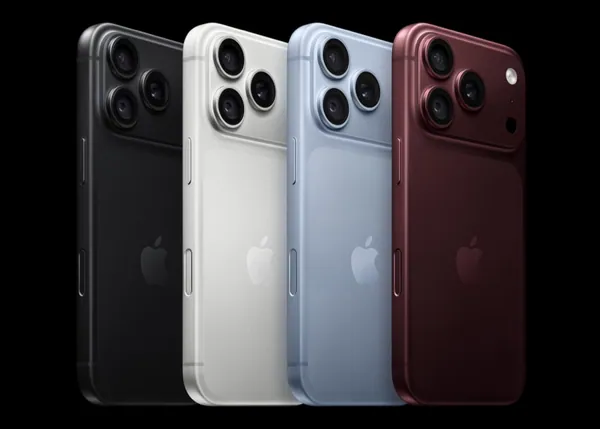
<p>The 18 Pro keeps the compact 6.3-inch format, with an aluminium unibody, a Ceramic Shield front and back, and IP68 resistance. It weighs 211 grams and measures 8.75mm thick, according to Apple. GSMArena lists the weight as the phone's main design complaint, calling it somewhat heavy, and Digital Trends adds that the Burgundy finish attracts fingerprints.</p>
<p>The OLED panel is 2622 by 1206 pixels with adaptive refresh up to 120Hz. Apple quotes 1,000 nits typical, 1,600 nits for HDR and 3,000 nits peak outdoors. GSMArena measured 2,769 nits at peak with a small white patch and 971 nits with a 75 percent patch, a hair below the 17 Pro's 2,889 and 1,012. In other words, the screen is excellent and essentially unchanged.</p>
<h2>Performance: the real upgrade</h2>
<p>The A20 Pro, built on a 2nm process, is where the generational gain shows. In GSMArena's tests the 18 Pro scored 4,732 single-core and 12,641 multi-core in Geekbench 6, against 3,846 and 9,923 for the 17 Pro. AnTuTu 11 came in at 3,402,829 versus 2,381,751. That is roughly 27 percent more multi-core speed and a far larger jump in the graphics-heavy test.</p>
<blockquote>The 18 Pro's gains are real but measured: faster, a little longer lasting, and not much better at the things Apple talks about most.</blockquote>
<p>Sustained performance is the one wrinkle. Apple fitted a larger vapour chamber, yet GSMArena's stress tests returned 72 percent stability in the APSI test and 48 percent GPU stability in 3DMark Wild Life Extreme, which it describes as a small step back from last year. Digital Trends felt noticeable warmth around the camera module during AnTuTu but nothing uncomfortable. For everyday use and even long gaming sessions this is unlikely to matter, though the larger Pro Max copes better in a bigger body.</p>
<h2>Cameras: sharper claims than results</h2>
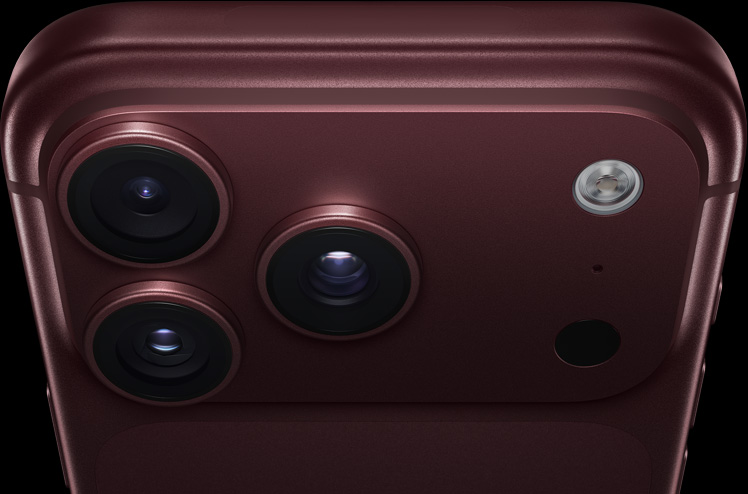
<p>All three rear cameras are 48MP. The Main camera has a mechanical variable aperture with four stops, f/1.48, f/1.8, f/2.8 and f/4.0, alongside a 13mm ultrawide at f/2.2 and a 4x telephoto at 100mm. Apple also quotes 8x optical-quality zoom from the telephoto sensor.</p>
<p>The headline feature has so far underwhelmed testers. GSMArena found the variable aperture of limited practical benefit, saw no meaningful sharpness difference between wide open and stopped down in daylight, and noted that stopping down to f/4.0 pushes ISO up in dim light. Main-camera detail and dynamic range were rated very good to excellent. The 4x telephoto is good but lacks crispness, 8x shots turn grainy and soft, and the ultrawide is the weakest of the three. Digital Trends reached similar conclusions, praising colour and everyday shots while noting that 8x zoom struggles in difficult light and that its test unit froze the camera for about 15 seconds once at 8x in bright sun. Video remains a strength, with GSMArena listing great video capture among its pros.</p>
<p>One software bug touched the camera: Apple acknowledged a colour artefact in some 2x photos shot at f/1.48 on a small number of units, which the tech-ish round-up reports was fixed in iOS 27.0.1.</p>
<h2>Battery and charging</h2>
<p>Apple rates the 18 Pro for up to 36 hours of video playback on the US specification page. Independent tests show a modest step forward. Tom's Guide, running a browsing script at 150 nits, recorded 16 hours 17 minutes against 15 hours 21 minutes for the 17 Pro, a gain of 56 minutes. GSMArena's Active Use Score of 16:43 also improved on the 17 Pro in every screen-on test. One outlier is worth knowing: BiGGo, summarising a test by Japan's GIGAZINE, reports about ten hours of maximum-brightness YouTube streaming versus more than 15 for the 17 Pro. That is a second-hand figure from a harsh scenario, but it suggests heavy users should not expect miracles.</p>
<p>Charging is faster but short of Apple's headline. Apple claims 50 percent in about 15 minutes with a capable 60W adapter. GSMArena, using a 67W charger, reached 42 percent at 15 minutes, 74 percent at 30 and a full charge in 1 hour 2 minutes, compared with 1 hour 18 minutes for the 17 Pro. Wireless charging runs at up to 25W over Qi2 and MagSafe.</p>
<h2>What owners are reporting</h2>
<p>We could not load Reddit threads directly, so this section summarises press coverage of owner reports. The most serious early problem was a freeze and reboot after a failed Face ID check. Macworld, on September 21, said 22 of 24 replies to a Reddit post described the same or a similar fault. Apple confirmed a software fix, and iOS 27.0.1 arrived on September 28, according to tech-ish.</p>
<p>Two issues remain open as of mid October. Owners of both the Pro and Pro Max describe a crackling or popping sound from the earpiece, and ithinkdiff reports that iOS 27.0.1 did not cure it, with some replacement phones showing the same fault. Apple has not commented. Owners have also posted pale rings around the rear cameras on Burgundy and Black units, which we covered earlier; Apple has not explained them. A hardware fault that strands some Pro Max owners on AT&T in the US does not affect the smaller Pro, according to Apple.</p>
<h2>How it compares with rivals</h2>
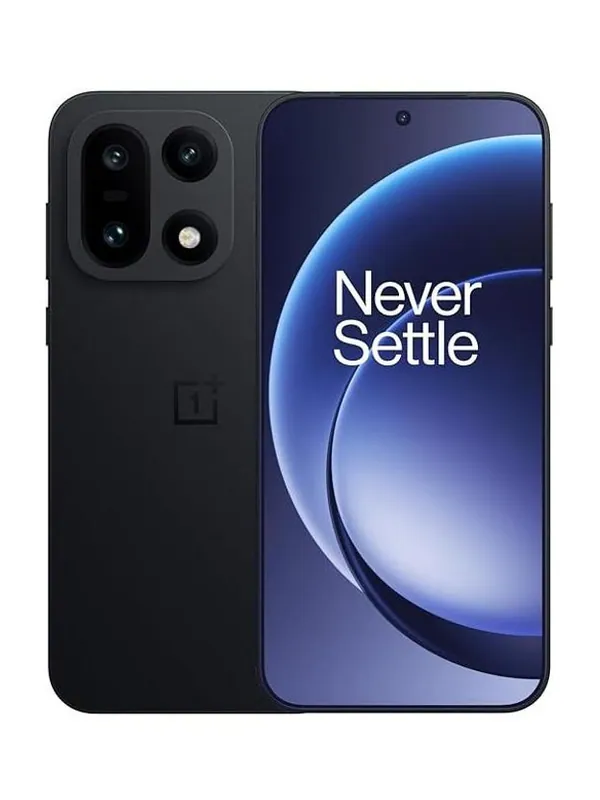
<p>Against the Galaxy S26, GSMArena's multi-core Geekbench score of 10,824 trails the iPhone's 12,641, and the Pixel 11 Pro manages 7,415. Only the Xiaomi 17 outlasted the 18 Pro in its screen-on tests, and the Xiaomi also charged fully in 46 minutes. Tom's Guide's different test put the OnePlus 15 at 25 hours 13 minutes, a reminder that silicon-carbon batteries on Android are widening the endurance gap. The iPhone wins on raw speed, video and software polish; rivals win on charging and stamina.</p>
<h2>Price in India</h2>
<p>The iPhone 18 Pro starts at ₹1,64,900 for 256GB on Apple India's store, rising to ₹1,89,900 for 512GB, ₹2,39,900 for 1TB and ₹3,14,900 for 2TB. Indian outlets including Esquire India and Outlook Money report the same starting figure. In the US it starts at $1,199, which is $100 more than the 17 Pro cost at launch.</p>
<h2>Verdict: who should buy it and who should skip it</h2>
<p>Buy the iPhone 18 Pro if you want the fastest compact phone you can get, value video quality and iOS polish, and are upgrading from an iPhone 15 Pro or older. GSMArena's verdict, that it has hardly any shortcomings beyond weight, is fair. Skip it if you already own a 17 Pro, because the gains in speed and an extra hour of battery rarely justify a higher price, or if charging speed and endurance matter more than anything else, where Android rivals are ahead. Anyone sensitive to the earpiece crackle reports should also check the unit in store before committing. We score it 8.5 out of 10 on the evidence available, and we will revisit the verdict if Apple resolves the open issues.</p>
<p>Published November 3, 2026. Gadgets365 will update this article as more information becomes available.</p>