FBI Warns Fake Police and Government Impersonation Scams Have Cost Victims $1.6 Billion
Nearly 61,000 complaints between January 2025 and July 2026 average more than $26,000 in losses each, and the FBI says AI now helps scammers pose as officials.
The FBI's Internet Crime Complaint Center (IC3) says law enforcement and government impersonation scams cost victims more than $1.6 billion between January 2025 and July 2026. Its September 17 public service announcement counts nearly 61,000 complaints over those 19 months, an average loss of more than $26,000 per case (IC3, TechRadar).
How the scam works
The playbook is consistent: an unsolicited call from someone claiming to be a police officer or federal agent, an accusation that the victim is linked to a crime, and a demand for immediate payment to make the charges go away. Scammers spoof real phone numbers, email addresses and the names and credentials of real agencies. Texts and emails are also used, and some scammers wear fake police uniforms or use mock sets of government offices. The FBI says AI now lets scammers appear as officials on video calls, and security coverage of the warning points to voice-cloning tools making the impersonation harder to spot (Cybernews).
Victims are told to pay with prepaid cards, couriers, bank wires, cryptocurrency, or cash fed into cryptocurrency kiosks.
| Scam variant (Jan 2025 to Jul 2026) | Complaints | Reported losses |
|---|---|---|
| All law enforcement and government impersonation | Nearly 61,000 | More than $1.6 billion |
| Jury duty or missed court date (about 11% of complaints) | 6,833 | Nearly $36 million |
| Medical licence threats aimed at healthcare workers | Not stated | More than $37 million |
| Targeting ethnic communities, foreign nationals and international students | 1,809 | More than $140 million |
The medical variant shows how targeted the scams have become. Scammers research a victim's profession and call claiming a medical licence is expiring or was used in a crime, demanding payment to renew it or protect the victim's reputation. It affected far fewer people than the jury-duty version but produced larger losses.
Why it keeps getting worse
Government impersonation complaints nearly doubled between 2023 and 2025, which the FBI links partly to cheaper, more accessible voice-cloning and caller ID spoofing tools. The problem is not limited to the US: the Netherlands reportedly recorded more than 7,200 fake-officer cases in the first half of 2026, including scammers visiting elderly victims at home to collect cash, jewellery and bank cards.
A related scheme has scammers impersonating IC3 itself, using fake websites and AI voice cloning to appear legitimate (Fox19).
A device and platform problem, not just a policing one
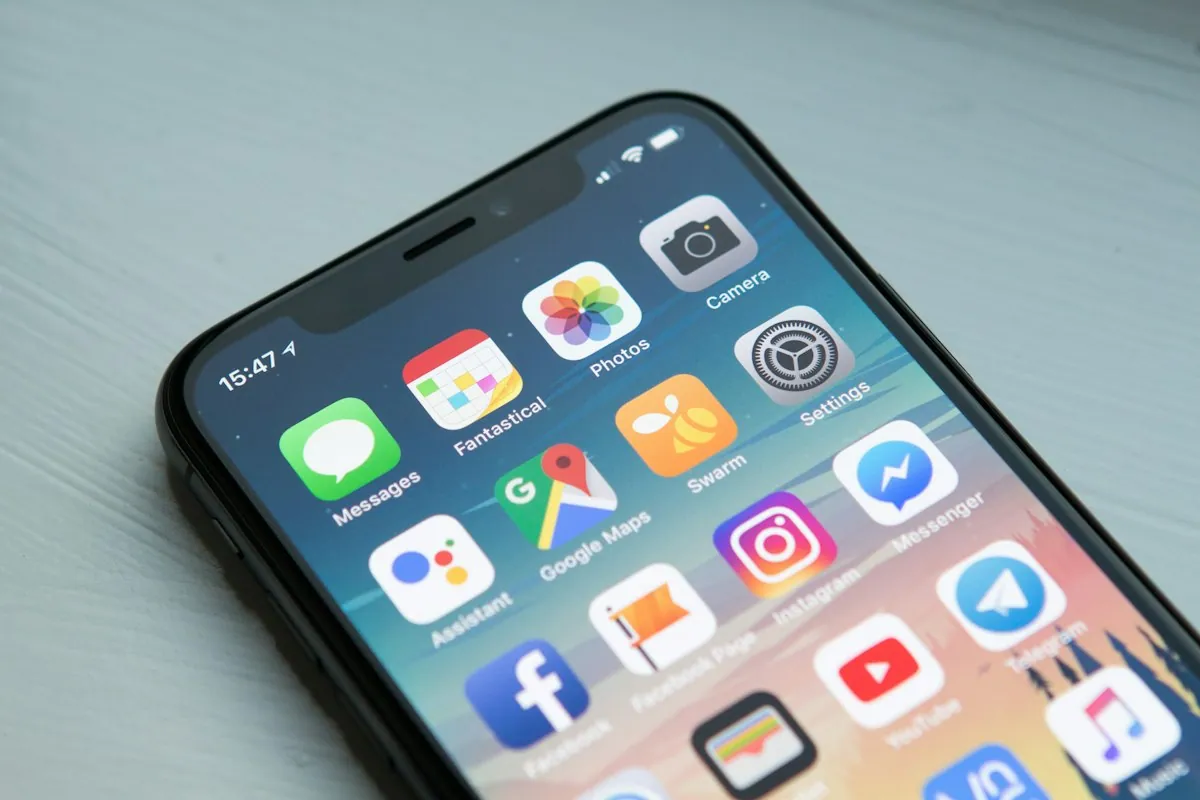
The FBI's guidance is blunt: no legitimate agency will call demanding immediate payment, and any call that does should be treated as a scam however convincing the caller ID or voice. That matters for phone makers and carriers, because nearly every one of these complaints began with a call or text. It is also the scenario Apple's Impersonation Risk Detection in iOS 27 targets, flagging suspicious payment or account-change activity during a pressured interaction, though the feature ships off by default and depends on apps integrating it.
In India, cyber fraud can be reported through the National Cyber Crime Reporting Portal. The FBI's figures cover US complaints only.
What to watch next
Watch whether voice-cloning detection becomes a standard phone security feature, as spam call filtering did. Until then, the FBI's advice stands: hang up on any unsolicited call demanding payment over a legal threat, and verify through the agency's officially published contact details, never a number or link given during the call.