How AI's Hunger for Memory Chips Is Driving Up Smartphone and Electronics Prices
Memory makers are shifting capacity to high-bandwidth memory for AI servers, tightening supply of the DRAM and NAND used in phones, laptops and consoles. TrendForce expects contract prices to keep rising in Q4.
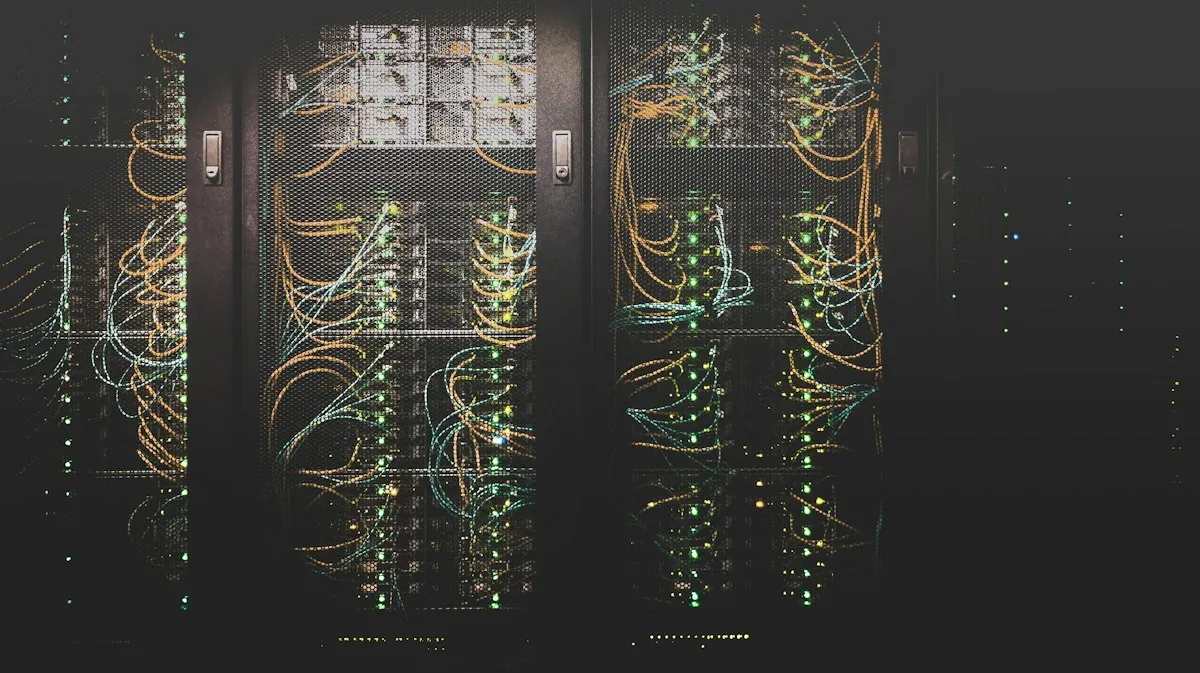
The AI infrastructure boom is making phones, laptops and game consoles more expensive. Memory makers are moving production capacity to the high-bandwidth memory (HBM) that AI data centres need, and every gigabyte that goes to AI servers is one that does not go into consumer electronics (CSIS, CNN).
<blockquote><strong>Update, October 25:</strong> TrendForce said on September 30 that conventional DRAM contract prices are expected to rise 10% to 15% quarter on quarter in Q4 2026 and NAND Flash 15% to 20%, driven mainly by AI server demand, while consumer-side pressure persists (<a href="https://www.trendforce.com/presscenter/news/20260930-13258.html">TrendForce</a>).</blockquote>
Why AI is eating your phone's memory budget
DRAM and NAND flash are at the centre of the squeeze. AI accelerators from Nvidia and its rivals need huge amounts of HBM to feed their processors fast enough to keep costly GPU clusters busy. Samsung, SK Hynix and Micron, which dominate memory production, have shifted capacity toward this higher-margin memory, because a data centre customer paying premium prices for HBM is a better use of limited production lines than a phone maker negotiating on thin margins. TrendForce says suppliers are prioritising HBM, server DRAM and enterprise storage, leaving less capacity for conventional memory.
The result is tight supply of the ordinary DRAM and NAND that goes into phones, laptops and consoles. Higher component costs pass down the chain to device makers and then to shop prices, and manufacturers have been rushing to lock in memory supply contracts before prices climb further.
| Indicator | Figure | Source |
|---|---|---|
| Conventional DRAM contract prices, Q1 2026 | +90% to 95% quarter on quarter (forecast) | TrendForce, February |
| NAND Flash contract prices, Q1 2026 | +55% to 60% quarter on quarter (forecast) | TrendForce, February |
| Conventional DRAM contract prices, Q4 2026 | +10% to 15% quarter on quarter (forecast) | TrendForce, September 30 |
| NAND Flash contract prices, Q4 2026 | +15% to 20% quarter on quarter (forecast) | TrendForce, September 30 |
| Average smartphone selling price, 2026 | +14% to a record $523 (forecast) | IDC, as reported |
TrendForce's earlier outlook showed how sharp the squeeze became at the start of the year (TrendForce), and IDC's reported forecast puts this year's average smartphone price up 14% to a record $523 (Tech Times).
Who feels it first
Budget and midrange devices absorb memory price rises fastest, because their makers have less margin to cushion the hit before it reaches the price tag. Apple and Samsung flagships usually have more room to absorb costs for a generation or two, since their margins are structured differently and their buyers are less price-sensitive. So the phones most likely to see visible increases are budget and midrange Android models, which make up most unit sales, rather than headline flagships.
Consoles and laptops face similar pressure. Console makers have historically run thin hardware margins, subsidising the box and earning on software and subscriptions, which leaves little room to absorb a sustained memory price rise without raising prices. TrendForce says notebook inventories are increasingly reflecting higher component costs in the fourth quarter.
No India-specific memory pricing data has been published in these reports.
What to watch next
The key question is whether Samsung, SK Hynix and Micron add capacity fast enough to serve both AI data centres and consumer electronics. If they cannot, the squeeze is likely to last well into 2027.