AMD Reportedly Plans 10% Price Hike on GPUs, AI Chips and Motherboard Chipsets
Supply-chain sources say AMD told partners on September 17 to expect about 10% higher prices from Q4 2026, citing TSMC wafer costs. Ryzen CPUs were left off the list.
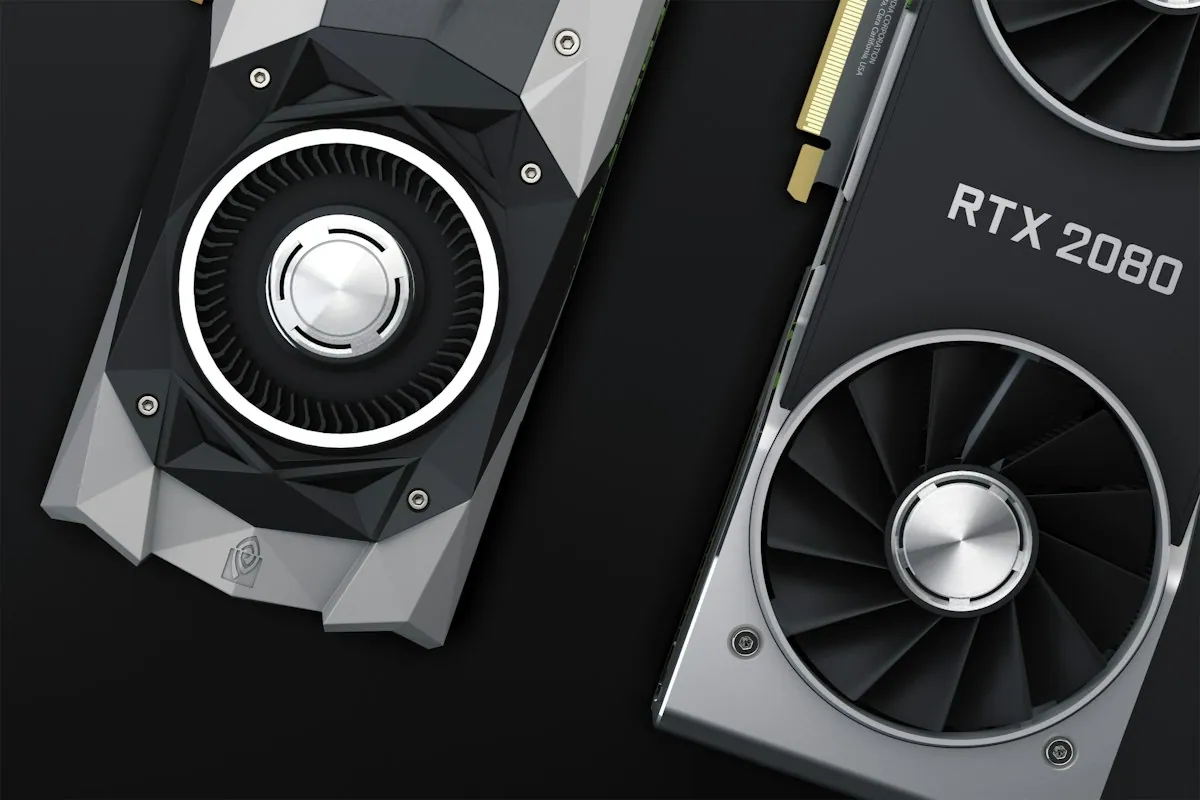
AMD has told partners to expect a price increase of roughly 10% on Radeon graphics cards, AI accelerators and motherboard chipsets from the fourth quarter of 2026, according to supply-chain reports that surfaced on September 17. AMD has not confirmed it publicly (Startup Fortune, Gagadget).
What is being reported
The account comes from insiders cited by Chinese industry source ChannelGate and has been repeated by several outlets. It describes AMD notifying add-in board partners and motherboard vendors, not a press release or investor filing. Three categories appear in every version: AI accelerators, consumer Radeon GPUs and motherboard chipsets. Ryzen desktop and laptop CPUs are absent, and no outlet has confirmed a Ryzen increase (Digital Trends).
This is partner-level pricing, not a guaranteed retail rise. Existing inventory, board-partner margins and competition from Nvidia and Intel in each category will decide how much reaches shop shelves. Partners could trim discounts, hold slow-selling models steady or absorb part of the cost.
| Reported AMD price move (2026) | Products | Size |
|---|---|---|
| August (notice sent July 31) | Radeon GPU and GDDR6 memory kits | At least 10%; about $10 per 8GB SKU and $20 per 16GB SKU upstream |
| Q4 2026 (notice reported September 17) | AI accelerators, Radeon GPUs, motherboard chipsets | About 10% |
| Ryzen CPUs | Desktop and laptop processors | Not on the reported list |
The Q4 notice follows an earlier step. AMD reportedly told board partners on July 31 that Radeon GPU and GDDR6 memory kit prices would rise by at least 10% from August, with 8GB cards up about $10 and 16GB cards up about $20 at the upstream level (VideoCardz, Wccftech).
Why now
The reported cause is rising wafer costs at TSMC, AMD's main foundry. TSMC has reportedly raised prices through much of 2026, with increases of 5 to 10% on nodes below 5nm, the processes AMD uses for its GPUs and AI chips. Because AMD relies on TSMC for most of its production, a foundry-wide rise tends to hit several product lines at once.
Some analysts see a strategy in what is spared. Leaving Ryzen alone protects AMD's most visible and competitive consumer line, where a price change shows up at every retailer within days. Costs pass through instead where AMD has more room: AI accelerators, where Nvidia sets the ceiling and demand still exceeds supply, and Radeon GPUs, where AMD and Nvidia have moved roughly in step on pricing this year.
Part of a bigger pattern
PC component prices have climbed through 2026 as AI data centre demand pulls memory production away from consumer devices, which is already showing up in phone and laptop prices. Intel reportedly plans a similar 10% increase from October 5, and cloud provider Nebius raised AMD EPYC Genoa CPU rental rates by 25% the same week (Tech Insider).
No India-specific pricing changes have been announced.
What to watch next
Watch for official confirmation from AMD and its size, and whether board partners such as Sapphire, ASRock and PowerColor absorb part of the increase, which is likely to vary by product tier and market.

'/%3E%3Cstop offset='1' stop-color='rgb(201,215,245)'/%3E%3C/linearGradient%3E%3ClinearGradient id='s' x1='0' y1='0' x2='1' y2='1'%3E%3Cstop offset='0' stop-color='rgb(122,167,255)'/%3E%3Cstop offset='1' stop-color='rgb(197,139,255)'/%3E%3C/linearGradient%3E%3C/defs%3E%3Crect width='1200' height='675' fill='url(%23b)'/%3E%3Cellipse cx='600' cy='560' rx='400' ry='26' fill='rgb(0,0,0)' opacity='.15'/%3E%3Cg transform='translate(600 300)'%3E%3Cpath d='M-300-190H300A18 18 0 0 1 318-172V128H-318V-172A18 18 0 0 1-300-190Z' fill='rgb(243,182,200)' stroke='white' stroke-width='3'/%3E%3Crect x='-280' y='-170' width='560' height='270' rx='10' fill='url(%23s)'/%3E%3Ccircle cx='-120' cy='-30' r='110' fill='white' opacity='.14'/%3E%3Ccircle cx='130' cy='20' r='150' fill='white' opacity='.1'/%3E%3Cpath d='M-330 130H330L370 190A14 14 0 0 1 356 204H-356A14 14 0 0 1-370 190Z' fill='rgb(233,160,182)' stroke='white' stroke-opacity='.7' stroke-width='3'/%3E%3Crect x='-70' y='150' width='140' height='22' rx='8' fill='rgb(214,138,163)'/%3E%3C/g%3E%3C/svg%3E)