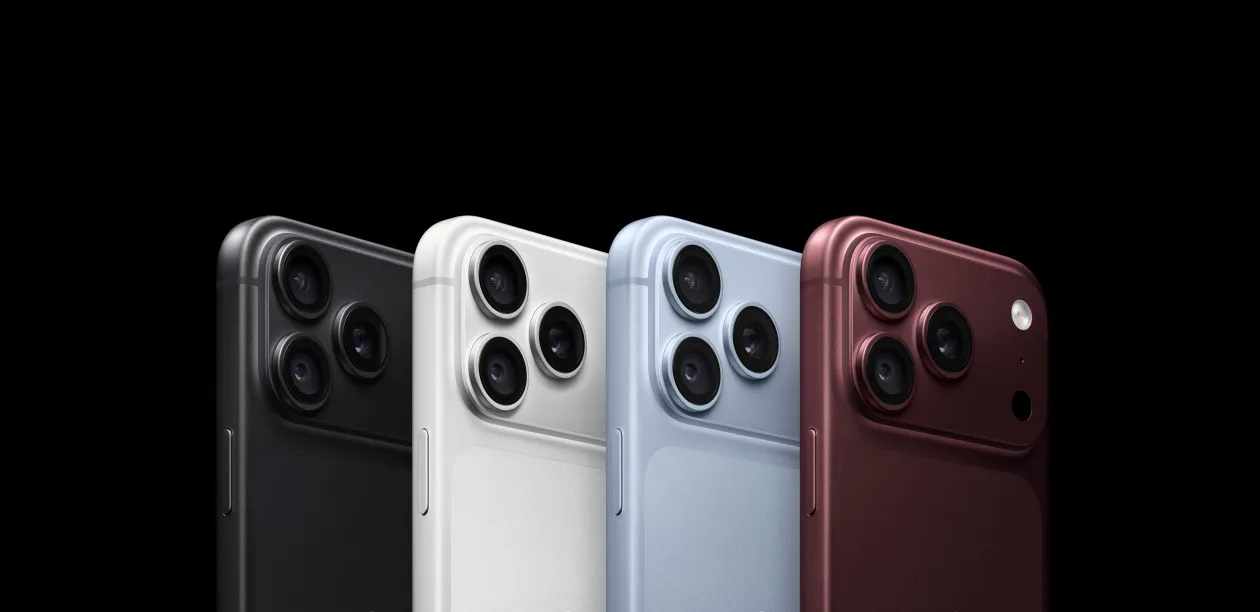
Both start at €1,599 in Europe, but Vivo leans on screen sharpness, zoom reach and video while Xiaomi answers with a rear display, a larger European battery and faster charging.
· 6 min read
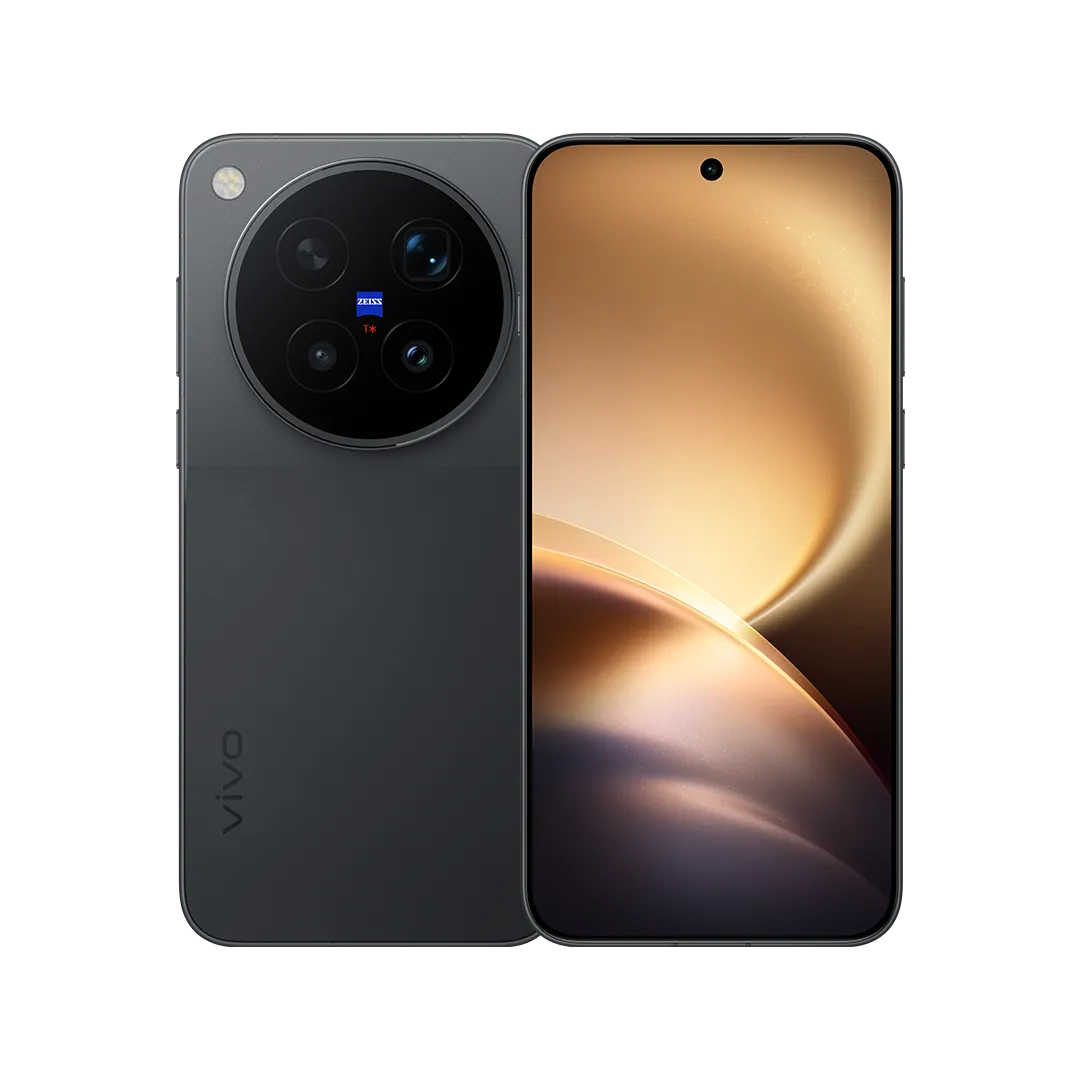
The Vivo X500 Pro Max and Xiaomi 18 Pro Max start at the same price in Europe, €1,599 with 12GB of RAM and 256GB of storage. Our short verdict is to pick the Vivo for screen sharpness, zoom reach, slow-motion video and a longer Android upgrade listing, and the Xiaomi for its larger European battery, quicker charging and second screen.
Vivo brought its phone to Europe on October 27, with sales from November 5, and Xiaomi launched the 18 Pro Max globally on November 17. This comparison draws on launch material, reporting and published reviews. Gadgets365 has not tested the two side by side.
Specifications compared
| Feature | Vivo X500 Pro Max | Xiaomi 18 Pro Max |
|---|---|---|
| Main display | 6.85-inch LTPO AMOLED, 3168 x 1440, up to 144Hz | 6.9-inch LTPO AMOLED, 2624 x 1208, up to 120Hz |
| Weight | About 224g to 229g by finish and market | 229g |
| Water and dust rating | IP68 and IP69 | IP68 |
| Chip | MediaTek Dimensity 9600 Pro | Snapdragon 8 Elite Extreme Gen 6 |
| Main camera | 50MP, f/1.57, 1/1.28-inch | 200MP, f/1.67, 1/1.28-inch |
| Telephoto | 200MP, 85mm, f/2.67 | 200MP, 75mm, f/2.4 |
| Ultrawide | 50MP, 15mm, f/2.0 | 50MP, 17mm, f/2.4 |
| Front camera | 50MP, f/2.0 | 50MP, f/2.2 |
| Battery in Europe | 6,750mAh | 7,050mAh |
| Wired and wireless charging | 90W and 40W | 100W and 50W |
| Software | OriginOS 7, Android 17 | HyperOS 4, Android 17 |
| 12GB and 256GB price | €1,599 | €1,599 |
| 12GB and 512GB price | €1,799 | €1,799 |
Design and durability
Neither phone is small. The Vivo measures 163.32 x 76.82mm and is 7.95mm thick in black or 8.12mm in its other finishes. The Xiaomi is almost the same height at 163.4mm, but wider at 77.6mm and thicker at 8.4mm. Weight barely separates them, although the black Vivo is the lightest option.
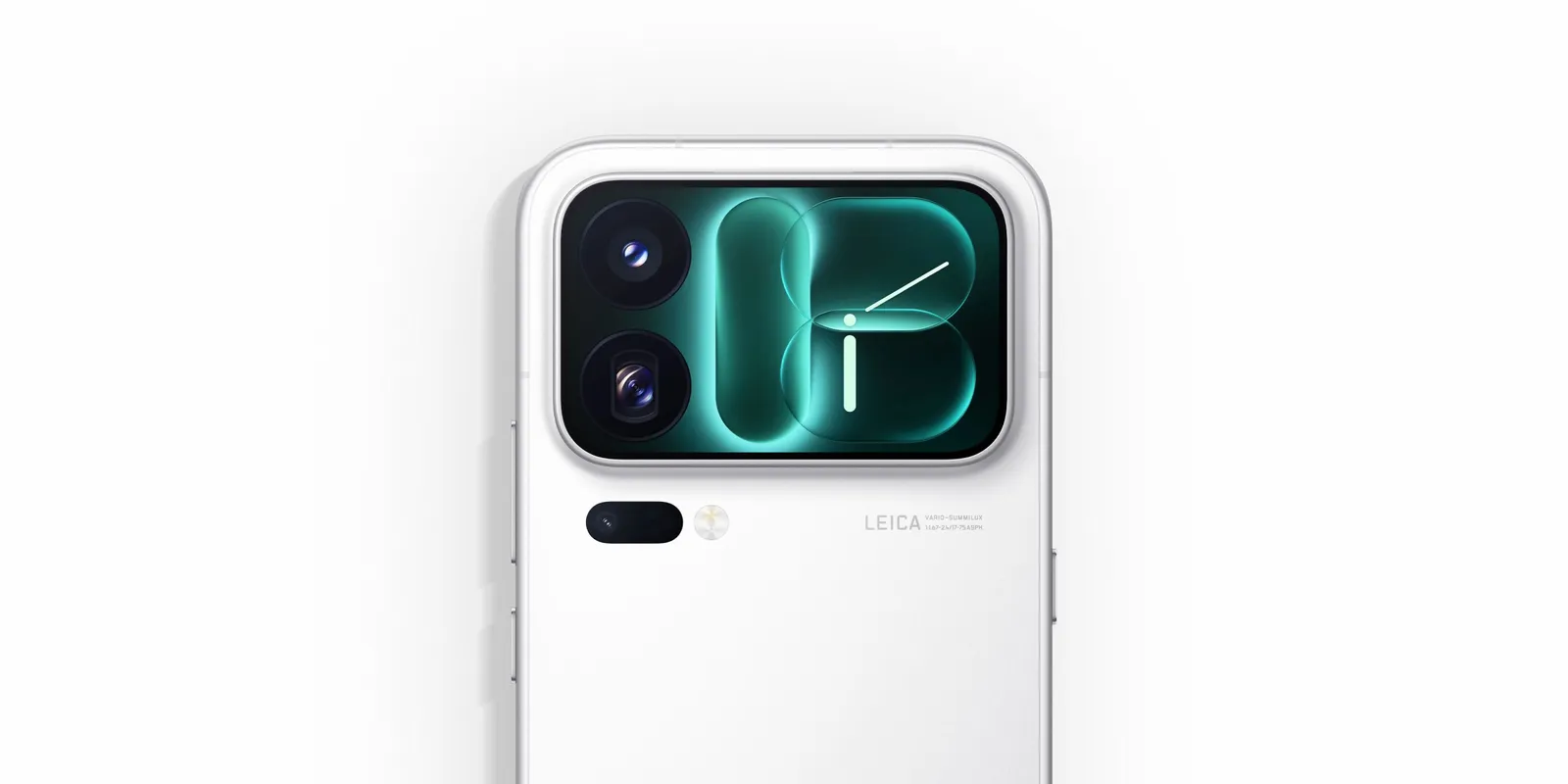
Durability is a clearer difference. Vivo carries both IP68 and IP69 ratings, the latter covering high-pressure water jets, while the global Xiaomi is listed at IP68. Vivo's trade-off is a large circular camera island that, according to Techaeris, makes the phone top-heavy and prone to rocking on a desk. Xiaomi uses a wide camera plateau with a screen built into it, and adds a side button whose functions are still limited.
Display
Vivo has the sharper main panel at about 507 pixels per inch against roughly 418 on the Xiaomi. It also reaches 144Hz, although only in supported apps, and quotes a peak of at least 4,400 nits to Xiaomi's claimed 4,000. Both use 2,160Hz PWM dimming. Techaeris notes that the Vivo lacks the anti-reflective glass found on Samsung's Ultra phones.
Xiaomi's answer is versatility. Its Privacy Display narrows viewing angles for sensitive apps, though TechRadar found it works only from the sides and trails Samsung's version. The 2.9-inch Back Display shows notifications, runs small apps and acts as a viewfinder for the rear cameras. Xiaomi says AI wallpapers for it begin arriving by software update in December.

Performance
MediaTek's Dimensity 9600 Pro powers the Vivo and Qualcomm's Snapdragon 8 Elite Extreme Gen 6 drives the Xiaomi. Both are 2nm flagship chips, and the base memory is identical at 12GB with UFS 4.1 storage. European buyers do not get a 16GB Vivo, even at 1TB.
Everyday speed should not decide this contest. We found no like-for-like benchmark run that would justify naming a winner. Heat is worth weighing: Techaeris recorded significant graphics throttling on the Vivo during long gaming and stress tests. TechRadar said the Xiaomi handled demanding games well, but its frame became very warm over extended sessions.
Cameras
The main sensors are the same 1/1.28-inch size and both use LOFIC technology to protect highlights. Xiaomi pairs 200MP of resolution with an f/1.67 Leica lens. Vivo uses a 50MP Sony LYTIA L910 sensor behind a slightly brighter f/1.57 ZEISS lens. Higher resolution alone does not guarantee better photos.
Both telephoto cameras are 200MP. Vivo reaches further natively at 85mm, or 3.5x, and accepts an optional ZEISS extender for a 400mm equivalent. Xiaomi's 75mm, 3.2x lens has the brighter aperture and focuses closer for macro shots. Techaeris praised the Vivo's zoom results up to 10x but saw heavy sharpening beyond that. TechRadar rated Xiaomi's main and telephoto cameras highly in all kinds of light.
The Vivo has the stronger ultrawide on paper, with a wider 119-degree view against 102 degrees and a brighter aperture. TechRadar singled out the Xiaomi's ultrawide as its weak link, especially after dark. For selfies, both have 50MP autofocus front cameras, but the Back Display lets Xiaomi owners frame themselves with the better rear cameras.
Both record 8K at 30 frames per second. Vivo goes to 4K at 240fps on its main camera, double the 120fps Xiaomi offers in 4K, and both support Log recording. Slow-motion shooters have an easy choice.
At the same European price, the choice is whether reach and video matter more to you than charging speed and a second screen.
Battery and charging
Check which version you are buying. In Europe the Xiaomi holds 7,050mAh and the Vivo 6,750mAh. Vivo sells a 7,800mAh version in other international markets, while the Chinese editions of both phones are larger still.
GSMArena's lab test gave the 7,050mAh Xiaomi an active use score of 23 hours 34 minutes, slightly behind the Vivo's 24 hours 6 minutes. That Vivo result belongs to the 7,800mAh model, so it should not be applied to the European phone. In daily use, TechRadar got at least a day and a half from the Xiaomi.
Xiaomi is faster on paper at 100W wired and 50W wireless, against 90W and 40W. GSMArena timed the Vivo at one hour for a full wired charge and found the Xiaomi quicker. Vivo leaves the charger out in Europe, and TechRadar reports that Xiaomi's UK box has none either.
Software and updates
Both ship with Android 17, under OriginOS 7 and HyperOS 4. Each borrows the translucent styling Apple popularised, and reviewers found unwanted preinstalled apps on both. TechRadar also saw advertisements in Xiaomi's theme and wallpaper apps.
Vivo's listed support runs to five major Android upgrades. Android Headlines puts the Xiaomi at four years of operating system updates, though other databases quote different figures. Security patch terms also vary between sources and regions, so confirm them on the local product page before buying.
Price and availability
German list prices match at €1,599 for 256GB and €1,799 for 512GB. Launch offers can break the tie. PTTL reports lower promotional prices on Vivo's Spanish store, and Notebookcheck says Pro Max orders placed by November 30 include a free camera grip. Xiaomi lists one free screen replacement and one back cover, rear screen or lens replacement within 24 months, subject to its terms. The Xiaomi also sells in the UK from £1,399, where Vivo has no official release. Neither is officially sold in the United States.
Which should you buy?
Choose the Vivo X500 Pro Max if photography and video lead your list. Its longer zoom, wider ultrawide, 4K 240fps recording, sharper screen and IP69 rating make it our pick for camera-first buyers, provided you do not play heavy games for long stretches.
Choose the Xiaomi 18 Pro Max if you are shopping in Europe and care about charging speed, the larger cell or filming yourself with the rear cameras. Its Back Display and Privacy Display are also hardware features that Vivo does not offer here. Outside Europe, Vivo's 7,800mAh version weakens Xiaomi's battery argument considerably.
Those weighing other ecosystems can read our iPhone 18 Pro Max vs Galaxy S26 Ultra comparison. The next things to watch are lab results for the European Vivo and street prices once launch offers expire.
Published November 28, 2026. Gadgets365 will update this article as more information becomes available.
Editor
Pravin KankanePravin Kankane is the editor of Gadgets365, an independent technology publication based in Pune, India. He covers smartphones, AI, Apple, Android and consumer tech launches in India.