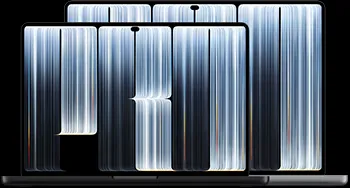
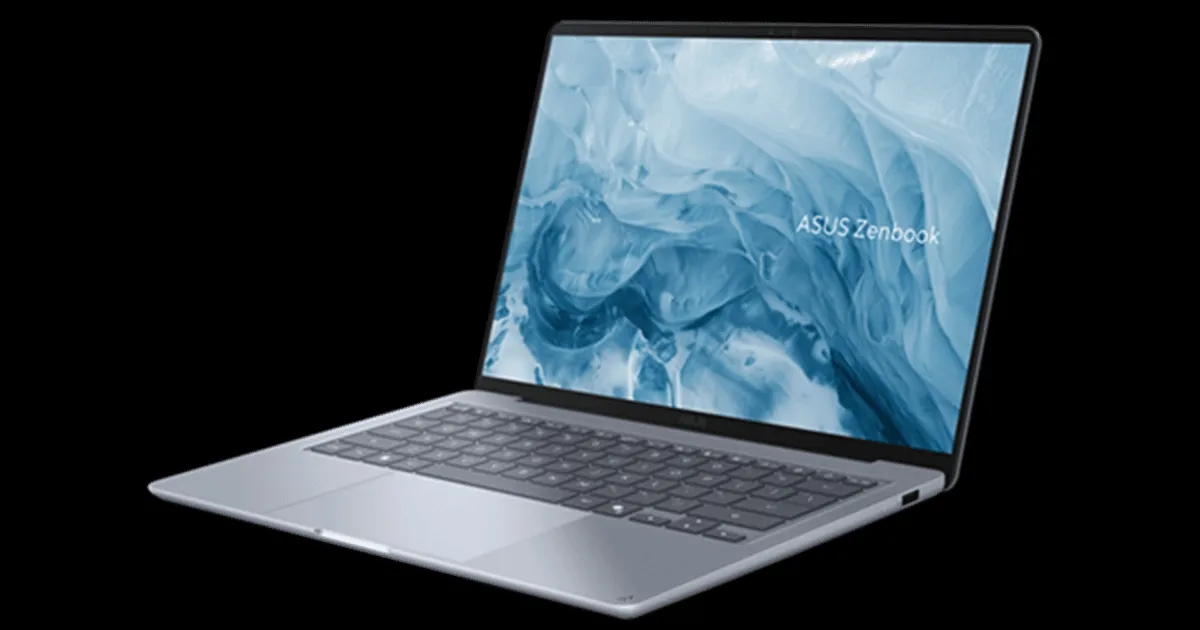
Both 14-inch laptops went on sale on 6 November. One costs $1,999 and the other $2,899, and the gap buys more than a screen.
· 4 min read
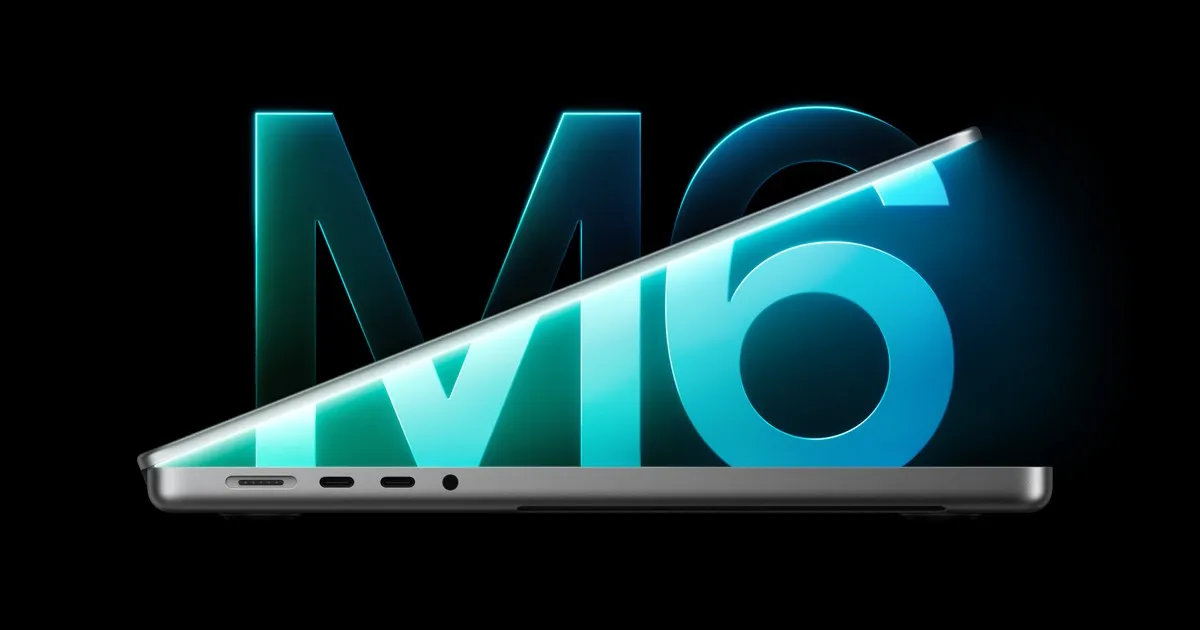
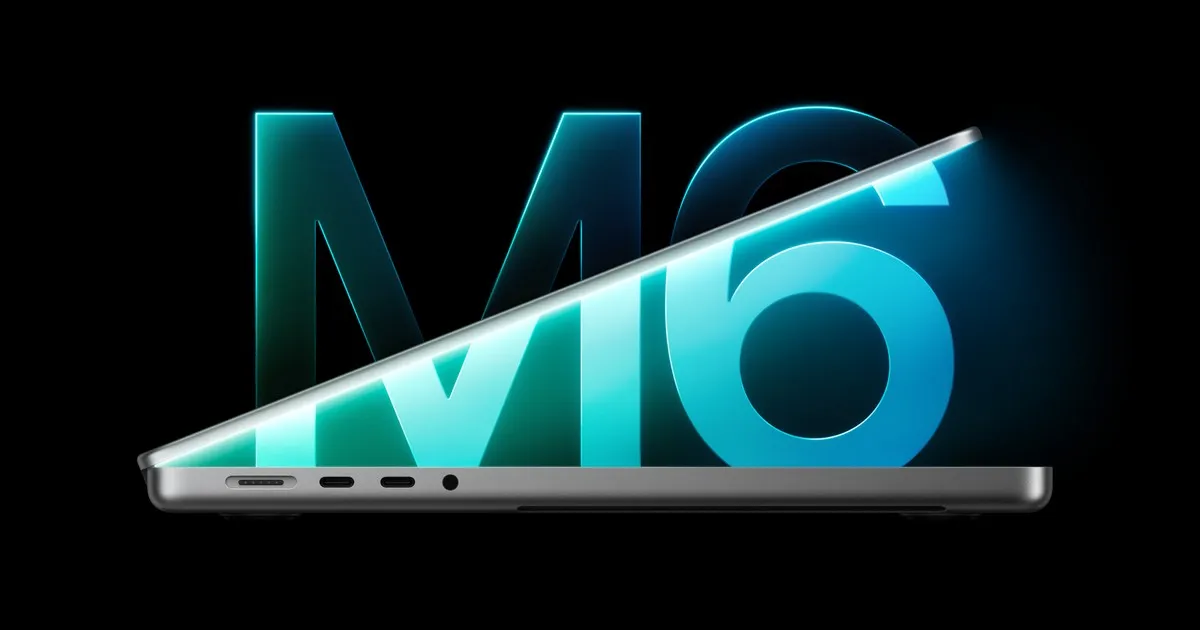
Apple now sells two very different 14-inch MacBook Pro laptops, and both went on sale on 6 November. The 14-inch MacBook Pro with the M6 chip starts at $1,999 in the United States. The MacBook Pro with the PROLED XDR display and an M5 Pro chip starts at $2,899. Prices are the official US launch prices, and education pricing is $1,899 and $2,749 respectively.
The short verdict: the M6 model is the better value for most people, with a longer battery claim and a lower price. The PROLED model is for buyers who want the tandem OLED screen, touch input, Thunderbolt 5 and more headroom for heavy creative or professional work, and who are willing to pay about $900 more.
Specifications side by side
All figures below come from Apple's own spec pages and newsroom posts for the entry configurations. Apple's performance claims are its own.
| Spec | 14-inch MacBook Pro, M6 | 14-inch MacBook Pro PROLED XDR, M5 Pro |
|---|---|---|
| Price (US) | $1,999 | $2,899 |
| CPU | 12-core (2 super, 4 performance, 6 efficiency) | 15-core (5 super, 10 performance); 18-core configurable |
| GPU | 12-core | 16-core; 20-core configurable |
| Neural Engine | Dual 16-core | 16-core |
| Memory bandwidth | Up to 170GB/s | 307GB/s |
| Memory options | 16GB, 24GB or 32GB | 24GB or 48GB |
| Storage options | 1TB, 2TB or 4TB | 1TB, 2TB or 4TB |
| Display | 14.2-inch Liquid Retina XDR (mini-LED), 3024 by 1964, 254 ppi, up to 120Hz | 14.2-inch tandem OLED, 3024 by 1986, 254 ppi, 10 to 120Hz |
| Brightness | 1,000 nits sustained, 1,600 nits peak HDR | 1,000 nits sustained, 2,000 nits peak |
| Contrast | 1,000,000:1 | 10,000,000:1 |
| Colour | P3 | P3 and Adobe RGB |
| Touch | Not listed on Apple's spec page | Multi-touch |
| Battery | 72.4Wh; up to 24 hours video, 16 hours web | 72.6Wh; up to 22 hours video, 14 hours web |
| Charging | 60W minimum adapter; fast charge with 96W or more | 70W minimum adapter; fast charge with 96W or more |
| Ports | 3 Thunderbolt 4, MagSafe 3, SDXC, HDMI, 3.5mm | 3 Thunderbolt 5, MagSafe 3, SDXC, HDMI, 3.5mm |
| External displays | Up to two | Up to three |
| Weight | 3.4 lb (1.55 kg) | 3.0 lb (1.38 kg) |
| Size (H x W x D) | 0.61 x 12.31 x 8.71 in | 0.59 x 12.24 x 8.52 in |
| Camera | 12MP Center Stage with Desk View | 12MP Center Stage with Desk View |
| Wireless | Wi-Fi 7, Bluetooth 6, Thread | Wi-Fi 7, Bluetooth 6, Thread |
| Colours | Space Black, Silver | Space Black, Silver |
Chip and performance
The two laptops use different chip families, not just different speeds. The M6 model has a 12-core CPU and 12-core GPU, with up to 170GB/s of memory bandwidth. The PROLED model's M5 Pro has a 15-core CPU, a 16-core GPU and 307GB/s of bandwidth, with an 18-core CPU and 20-core GPU available as options. Memory bandwidth matters for video editing, 3D work and local AI models, and here the Pro chip has a large lead.
Apple says the M6 model is up to 30 percent faster in graphics and up to 25 percent faster in AI work than the M5 14-inch it replaces, with a Neural Engine up to 1.9 times faster. Those are Apple's claims against an older laptop, not against the PROLED model, and we have not seen independent tests comparing the two directly. Memory also differs: the M6 laptop tops out at 32GB, while the PROLED model starts at 24GB and offers 48GB.
Display
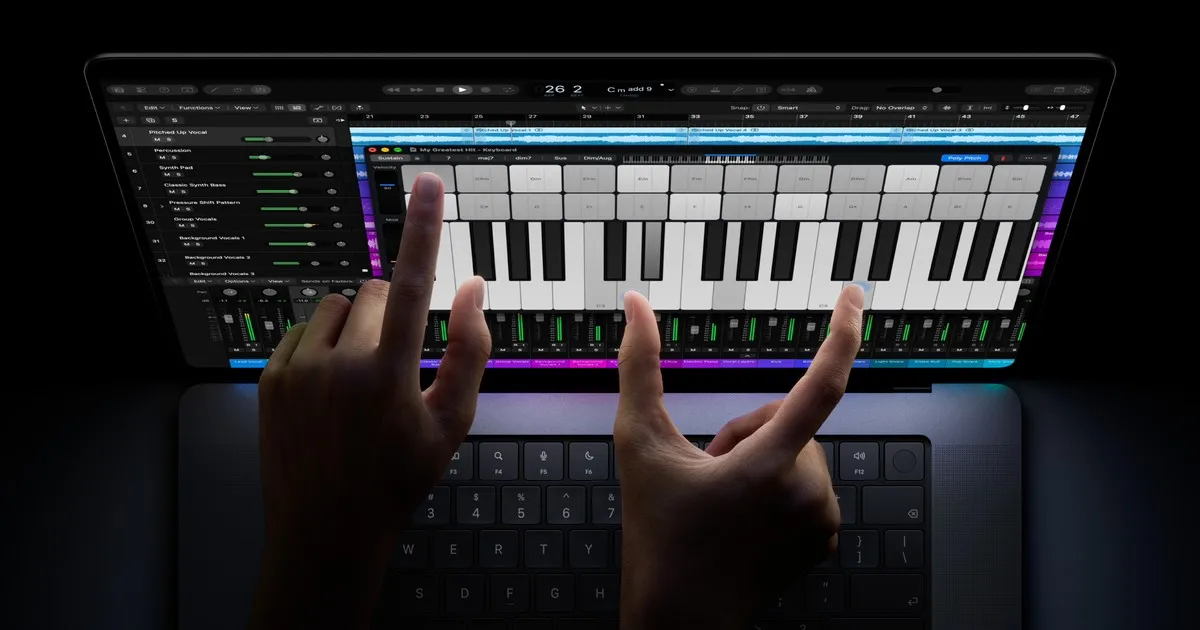
This is the headline difference. The M6 model keeps the mini-LED Liquid Retina XDR panel, rated at 1,000 nits sustained and 1,600 nits peak for HDR. The PROLED model uses a tandem OLED panel with a 2,000-nit peak and a 10,000,000:1 contrast ratio, plus Adobe RGB support and multi-touch. The two panels share the same 14.2-inch size and 254 ppi density, and both reach 120Hz, though the OLED's range starts at 10Hz.
Apple's M6 spec page lists no touch input and no OLED, and that is our reading of the page, since Apple's M6 press release does not say it outright. Sustained brightness is the same at 1,000 nits, so for most work the difference is contrast, peak highlights and touch.
Battery, charging and ports
The cheaper laptop wins on the battery claim: up to 24 hours of video and 16 hours of web browsing, against 22 and 14 for the PROLED model. Apple's battery capacities are almost identical at 72.4Wh and 72.6Wh, so the gap reflects the different display and chip. The PROLED model ships with a more powerful adapter, 70W against 60W, though both support fast charging with a 96W or higher adapter.
Ports follow the chip. The M6 model has three Thunderbolt 4 ports and supports two external displays. The PROLED model has three Thunderbolt 5 ports and supports three. Both keep MagSafe 3, an SDXC slot, HDMI and a headphone jack.
Size and weight
The PROLED model is lighter at 3.0 lb against 3.4 lb, and slightly thinner and smaller. The camera, speakers, Touch ID, wireless chips and the two colour options are the same on both, so those are identical rather than differences.
Which should you buy?
- Buy the M6 model if you want the best battery life, a proven mini-LED screen and a price near $2,000. It suits students, developers, writers and general professional work.
- Buy the PROLED model if you edit video or photos, drive multiple displays, want touch input or care about the deepest blacks. The extra memory bandwidth and Thunderbolt 5 matter most for heavy creative work.
- Skip both if you already own the previous 14-inch and the M6's claimed gains do not fix a problem you have today.
Prices are US launch prices at the time of writing and may change.
Published 7 November 2026. Gadgets365 will update this article as more information becomes available.
Editor
Pravin KankanePravin Kankane is the editor of Gadgets365, an independent technology publication based in Pune, India. He covers smartphones, AI, Apple, Android and consumer tech launches in India.