Meta Open-Sources Its Muse Gadgets Kit and Offers US Subscribers a Free Home Link Adapter
The Muse Home Link is free with a Muse subscription in the United States only, with 5,000 units reported. Meta calls the developer tools unsupported.
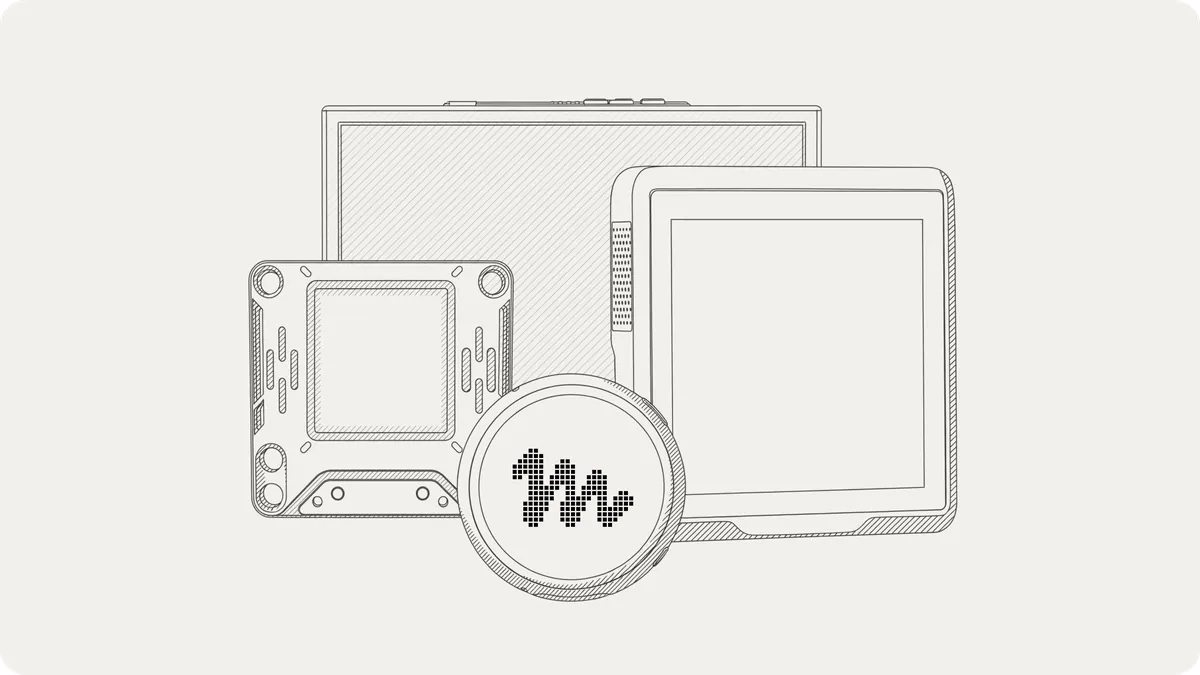
Meta has released the code and tools for building hardware that works with its Muse personal AI agent, and it plans to give away a small Wi-Fi adapter called the Muse Home Link to subscribers in the United States. The announcement came on October 2, and the adapter is due to ship during October, according to Meta's Muse Gadgets page (CNX Software, OfficeChai).
What Meta released
Nat Friedman, who leads product at Meta Superintelligence Labs, announced Muse Gadgets on X: open-source ESP32 firmware and a Linux software development kit that let makers connect Muse to custom hardware such as displays, buttons, sensors and actuators. Most of the code is under the Apache 2.0 licence on GitHub. Developers grab an API token from the Muse Gadgets site and can point a coding agent at the repository to get started.
| Kit | What it targets |
|---|---|
| ESP32 Device SDK | Microcontroller gadgets that can show images, handle audio in and out, and drive sensors, actuators and buttons |
| Linux Device SDK | Raspberry Pi and other Linux machines, with custom commands such as working with Home Assistant |
| Suggested hardware | Raspberry Pi 5, Waveshare ESP32-S3-Touch-AMOLED-1.75C, Seeed reTerminal E1002 e-ink display |
The idea is that Muse, a personal assistant that can take actions, gains a physical reach: a maker can build a small device that Muse reads from or commands, as it uses software tools. Meta's page describes devices that run a local HTTP API as the simplest route in.
The Home Link adapter
The Muse Home Link is a USB-C powered adapter that joins Muse to a home Wi-Fi network so it can reach compatible devices a user already owns, such as TVs and speakers, or anything built with a local HTTP API. RuntimeWire reports that it is based on an Espressif ESP32-C5 chip; Meta's page gives no detailed specifications.
Meta's page says the adapter is free with an active Muse subscription in the US only, one per subscriber, shipping in October on a first come first served basis, and claiming one holds a place in line rather than placing an order. Meta made 5,000 units, which Friedman said should be ready to ship in a few weeks (AI Weekly). Reports differ on whether the shipped device can be reflashed, though its code is also open source.
What it could control
RuntimeWire lists Philips Hue, Sonos, Apple TV, Google Nest speakers, Samsung TVs and Home Assistant among the integrations, along with devices that offer a local HTTP API. Meta's own page speaks only of compatible devices, so the brand list is reported rather than confirmed. TechMyMoney adds that community-built skills could turn on a light, control a television or send a document to a printer.
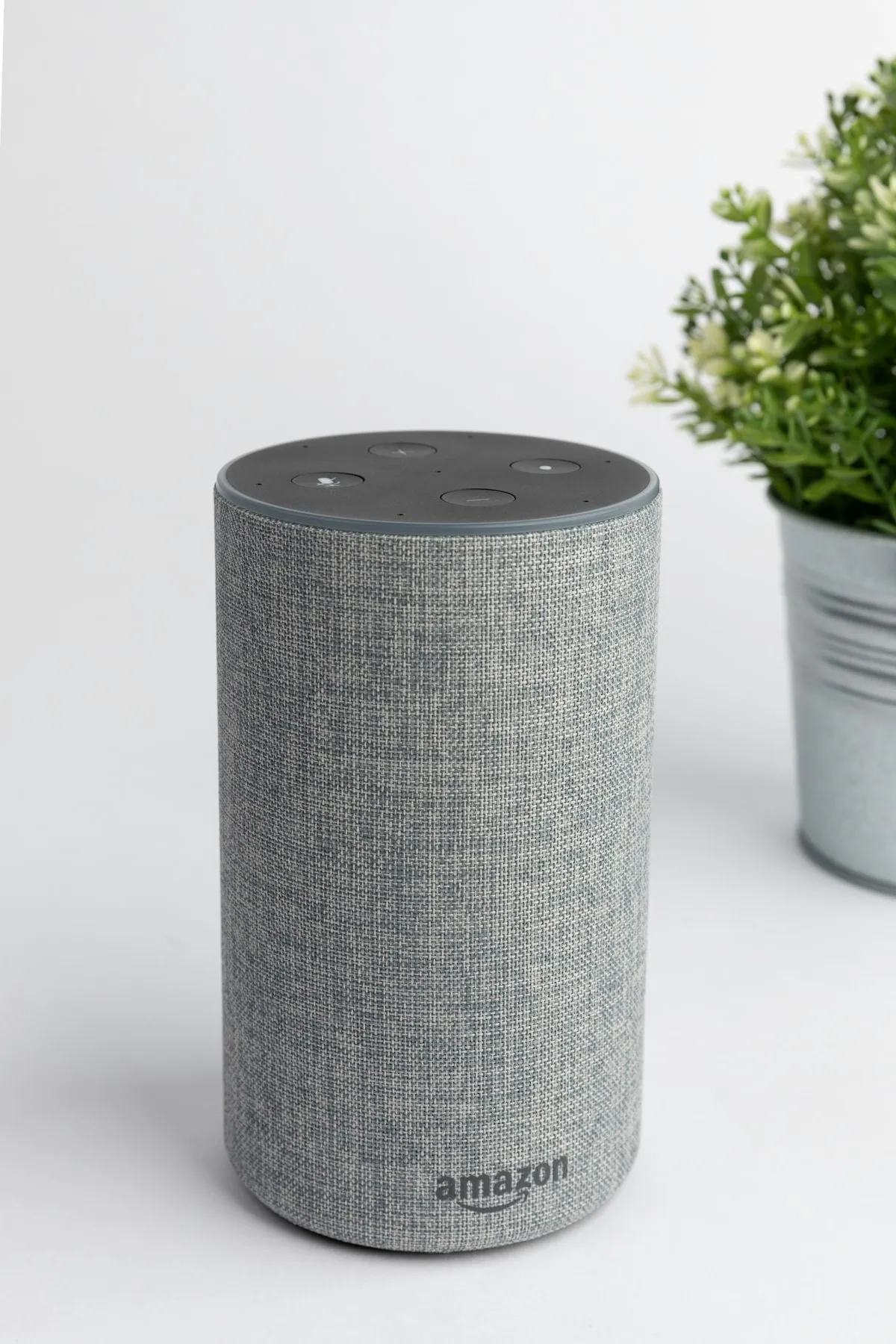
None of this has been tested in real homes yet. How reliably an AI agent handles a living room full of mixed-brand devices is the open question; voice assistants from Amazon, Google and Apple have spent years on it with mixed results.
The fine print
Meta is clear this is an experiment. RuntimeWire reports that the SDK and access tokens are described as not a supported product or developer platform, that Meta can change or withdraw access at any time, and that each token is limited to 50 devices. A hobbyist can enjoy the project, but a company building on it would take on platform risk.
There is also a privacy angle. An agent that can see and operate the devices in a home needs access users should understand before granting it. Meta's page describes control running over the local network, but Muse itself is a cloud service, and Meta has not published a detailed privacy or security statement for the adapter.
How it compares with the smart home field
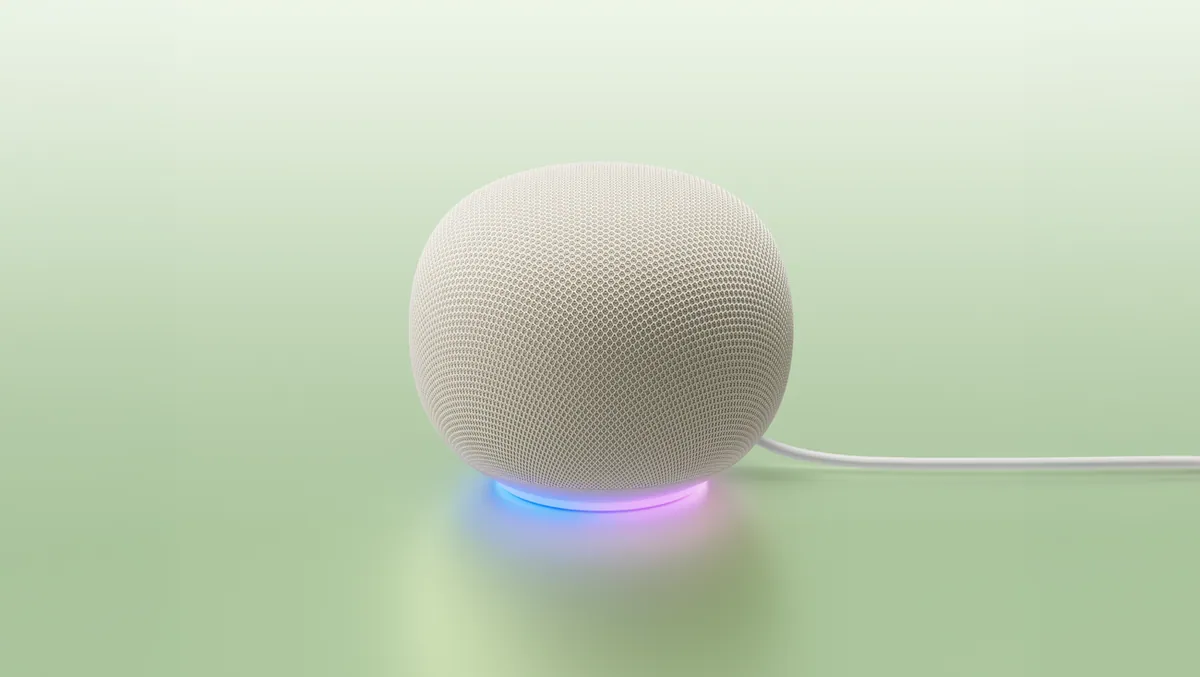
The announcement arrives as the smart home world converges on shared standards such as Matter, and as Home Assistant's open-source hub adds one-click AI setup. Apple has also just announced its own home hardware. Meta's approach is different: it starts with an agent and works outward to the devices, rather than starting with a hub.
India and availability
The adapter is for US subscribers only. The open-source code is on GitHub for anyone, but Muse itself has not been announced for India, so Indian makers should not assume they can use the full system.
What to watch next
Watch for the first units to reach subscribers, early hands-on reports on how reliably Muse runs a home, a Meta-confirmed list of supported devices, and any security statement for the adapter.