Googlebook Officially Launches With Five Laptops Starting at $899
Google's Chromebook successor runs the Android-based Googlebook OS on Acer, ASUS, Dell, HP and Lenovo laptops. Early reviews praise the hardware and call the software unfinished.
Google has launched Googlebook, its new laptop platform built to succeed the Chromebook, with five devices from Acer, ASUS, Dell, HP and Lenovo starting at $899. The first units reached US stores on October 4, followed by Canada, the UK, Ireland, France, Germany and Australia.
<blockquote><strong>Update, October 25:</strong> The first reviews praise the hardware but describe Googlebook OS as unfinished. Reviewing the Acer Googlebook 14, PCWorld measured about 14 hours of battery life in everyday use, while Tom's Guide called it a fantastic 2-in-1 held back by one problem. Reviewers note that tablet mode does not yet support portrait orientation, phone pairing worked only with Android 17 devices at launch, and enterprise fleet management is not expected until the second half of 2027 (<a href="https://www.pcworld.com/article/3255332/acer-googlebook-review.html">PCWorld</a>, <a href="https://www.tomsguide.com/computing/laptops/acer-googlebook-14-review">Tom's Guide</a>, <a href="https://www.stuff.tv/review/acer-googlebook-14-review/">Stuff</a>).</blockquote>
Five laptops, one platform, two chip architectures
Google is not making Googlebooks itself. It sets a baseline specification and software requirement that partners must meet to use the name, much as Android licensing works for phones, and leaves design, configuration and pricing to each brand. All five launch devices use Intel Core Ultra Series 3 or Qualcomm Snapdragon X Elite chips with NPUs rated at 40 TOPS or more, so Googlebook OS runs natively on both ARM and x86, with MediaTek-powered devices to follow.
| Laptop | US starting price | Display | Chip |
|---|---|---|---|
| Acer Googlebook 14 | $899 (£999 in the UK) | 14-inch 2.8K OLED, 120Hz, touch | Intel Core Ultra 5 or 7, 16GB RAM |
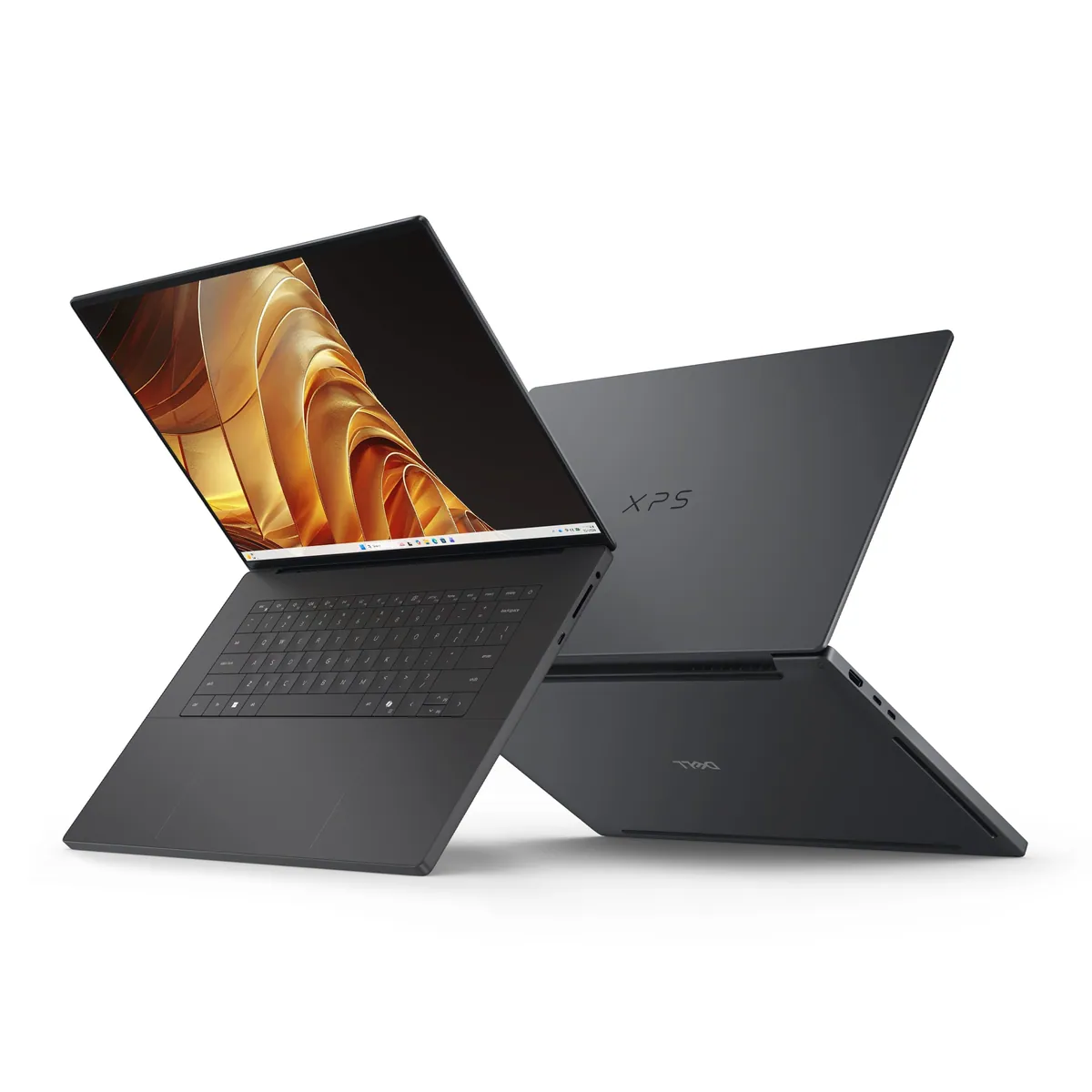
| Dell XPS Googlebook | $1,199 | 13.4-inch 2.5K | Snapdragon X Elite, up to 32GB RAM |
| HP Googlebook 14 | $1,299 | 14-inch 2.8K OLED | Snapdragon X Elite |
| ASUS Googlebook 14 | $1,299 | 14-inch 2.8K OLED | Intel Core Ultra |
| Lenovo Googlebook 15 | $1,299 | 15.3-inch 2.8K OLED | Intel Core Ultra 5, 16GB RAM |
Acer says its $899 price is for a limited time.
What makes this different from a Chromebook
Every Googlebook runs Googlebook OS, codenamed Aluminium OS, which is built on Android so it runs Android apps natively, combining ChromeOS's desktop productivity with Android's much larger app library and Gemini built in rather than added on (Wikipedia). Google positions it against the MacBook Air, and its Chromebook Plus line continues alongside.
Google guarantees five major OS upgrades and six years of security updates, matching its Pixel phones and longer than most Windows laptop makers. Every purchase includes 12 months of Google AI Pro with 5TB of storage, plus three months of YouTube Premium, Adobe Photoshop and CapCut.
The bet Google is making
Google has tried premium laptops before: the Pixelbook and Pixelbook Go were well reviewed but never mainstream, and Chromebooks have struggled to shed a budget, education-focused image. Googlebook leans on Android's app library, which ChromeOS alone never fully delivered, and on Gemini as a reason to choose the platform over Windows or macOS. Whether that works depends on how well Android apps run in desktop windows across different screens and inputs, historically a weak area, and early reviews suggest the software still needs work.
India
India is not among the launch markets, and Google and its partners have given no Indian timeline.
What to watch next
Watch for software updates addressing the early review complaints, wider market launches, and the first MediaTek-powered Googlebooks.
'/%3E%3Cstop offset='1' stop-color='rgb(201,215,245)'/%3E%3C/linearGradient%3E%3ClinearGradient id='s' x1='0' y1='0' x2='1' y2='1'%3E%3Cstop offset='0' stop-color='rgb(122,167,255)'/%3E%3Cstop offset='1' stop-color='rgb(197,139,255)'/%3E%3C/linearGradient%3E%3C/defs%3E%3Crect width='1200' height='675' fill='url(%23b)'/%3E%3Cellipse cx='600' cy='560' rx='400' ry='26' fill='rgb(0,0,0)' opacity='.15'/%3E%3Cg transform='translate(600 300)'%3E%3Cpath d='M-300-190H300A18 18 0 0 1 318-172V128H-318V-172A18 18 0 0 1-300-190Z' fill='rgb(243,182,200)' stroke='white' stroke-width='3'/%3E%3Crect x='-280' y='-170' width='560' height='270' rx='10' fill='url(%23s)'/%3E%3Ccircle cx='-120' cy='-30' r='110' fill='white' opacity='.14'/%3E%3Ccircle cx='130' cy='20' r='150' fill='white' opacity='.1'/%3E%3Cpath d='M-330 130H330L370 190A14 14 0 0 1 356 204H-356A14 14 0 0 1-370 190Z' fill='rgb(233,160,182)' stroke='white' stroke-opacity='.7' stroke-width='3'/%3E%3Crect x='-70' y='150' width='140' height='22' rx='8' fill='rgb(214,138,163)'/%3E%3C/g%3E%3C/svg%3E)