Microsoft says Windows 11 is now up to 20 percent more responsive on PCs with 8GB of RAM, and that one demanding multitasking test finished up to 40 percent faster than on January 2026 builds. The claims come from a Windows Experience Blog post published on 3 November by Windows chief Pavan Davuluri, who also said "8 GB is a great fit" for everyday use.
What Microsoft is claiming
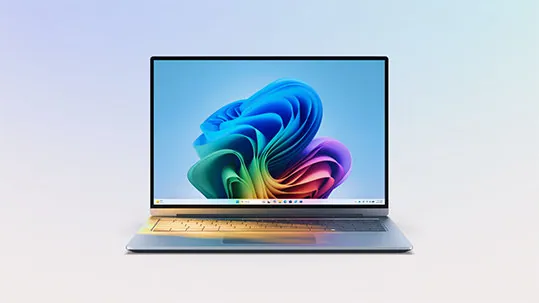
The improvements apply to Windows 11 version 26H2, build 26300.9818 or later, with updated versions of Edge, Microsoft 365 and Teams. Microsoft's responsiveness figure is based on telemetry for Start, Search, right-click menus, Settings, the Snipping Tool and File Explorer, compared with the January 2026 update. The 40 percent figure is narrower. It comes from a single lab test on an HP OmniBook 3 with a Snapdragon X Plus chip and 8GB of memory, running about 20 Edge tabs, 4K video, large Office files, Outlook and File Explorer. Microsoft itself describes that result as scenario-specific rather than a benchmark.
On memory, Microsoft says Windows can now keep up to 2GB more active data in RAM instead of pushing it to slower storage, which is why apps previously reloaded on small-memory machines. It also reports up to 900MB less growth in committed memory during a September workload with Edge, Office, Outlook and Teams, of which 360MB comes from Word, Excel, PowerPoint and Outlook together. Microsoft measured growth during use, not idle consumption, and compression does not add physical RAM.
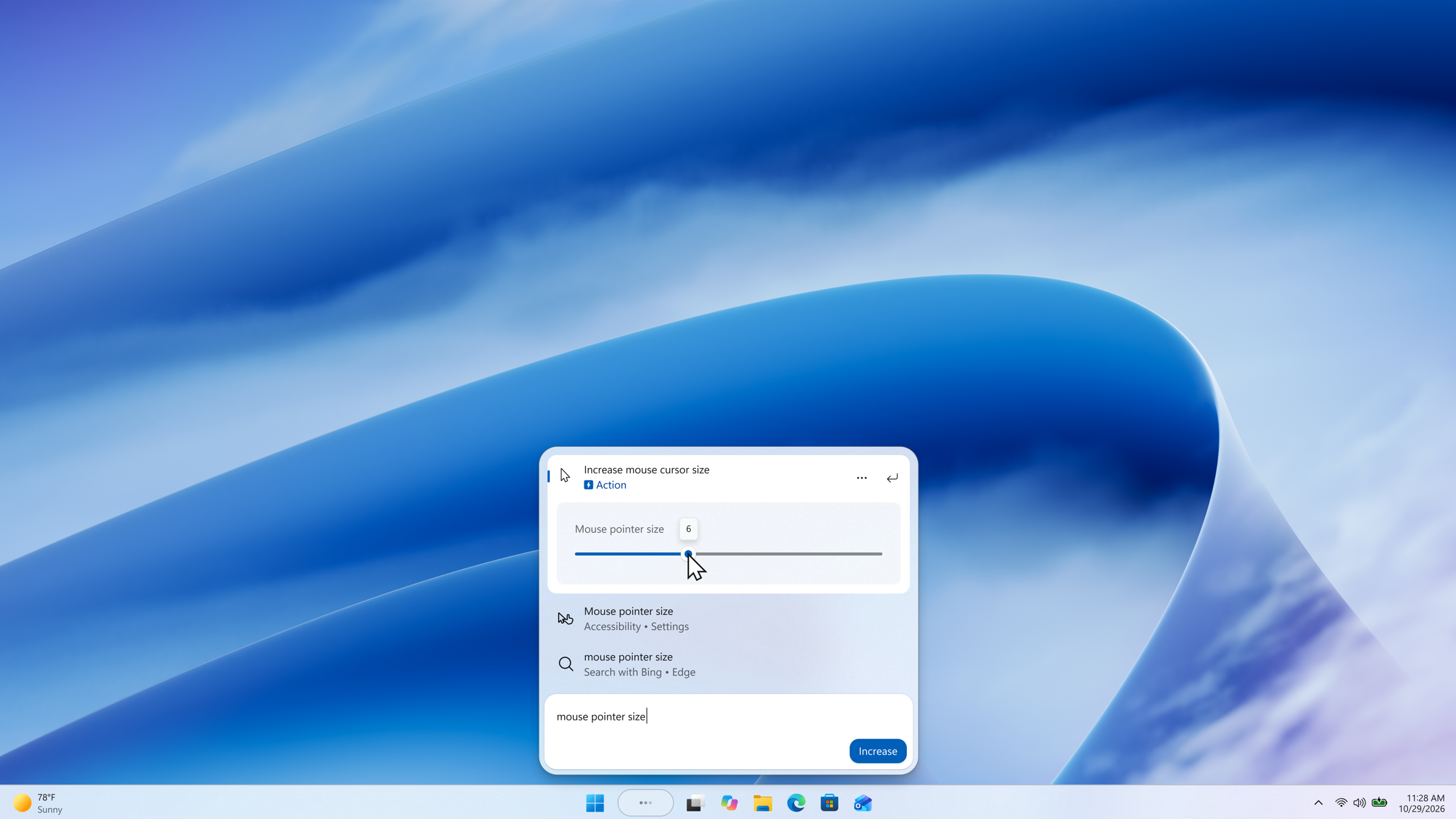
Other changes are smaller but concrete. Widgets now loads only when opened on PCs with 8GB or less, saving about 200MB while closed. Edge can launch up to 33 percent faster from Start when it is already running in the background, on Edge 150 or later, although Microsoft's Edge team says most people will see closer to 15 percent. Edge now puts inactive tabs to sleep after 15 minutes instead of two hours, and Teams can run in Efficiency Mode by default on 8GB machines, with launches up to 20 percent faster.
How the claims hold up
Independent checks are mixed. Techgenyz notes that Microsoft's numbers come from different tests and do not add up to one overall speed gain. It also points to a Windows Central test on an Acer Swift Air 14 with 8GB of memory, which measured memory use rather than speed. Idle usage after about 10 minutes fell from 5.3GB on 25H2 to 4.1GB on 26H2, while moderate and heavy workloads dropped by only about 0.4GB to 0.5GB.
Windows Latest, which covered the announcement on 3 and 4 November, reported that one of its own 8GB laptops used about 3.3GB after a restart on 26H2 compared with about 5GB before. An earlier Windows Latest test of a different 8GB PC had shown no change, so results clearly vary by machine. The outlet also cautioned readers not to expect the headline percentages on every device, particularly low-end processors where Microsoft's Low Latency Profile has less effect, though that link is the author's belief rather than a Microsoft statement.
Microsoft also quoted a figure of up to 94 percent faster multi-core CPU performance for a 2026 Dell XPS 13 over a 2021 model with the same 8GB of RAM. That comes from a Cinebench run in a report Microsoft commissioned, and it compares different generations of hardware, so it says little about Windows itself.
Why Microsoft is making the case now
The post lands after a long stretch in which Microsoft pushed 16GB as the sensible baseline for Windows 11 and for gaming. Memory prices have since climbed because AI data centres are absorbing supply, and cheaper PCs are staying at 8GB. Microsoft's post points buyers to 8GB Windows 11 laptops from $429 at Walmart, along with Best Buy and Microsoft Store offers of up to $200 off that run until 25 December while supplies last. Davuluri still says heavier work such as 3D modelling, advanced video editing and large-scale data processing benefits from 16GB or more.
Microsoft says it tests fixes on more than 20,000 PCs in its labs, and promises smarter memory compression over the next few months. It also plans for Search and Widgets to share one web engine, as OneDrive and Photos will, and for File Explorer, Notepad and Paint to move further onto WinUI 3 to open faster and use less memory.
India angle
Microsoft's post quotes US pricing only, and we could not find India pricing for the offers. Entry-level laptops in India commonly ship with 8GB, so the update may matter to many buyers, but the same staged rollout and build requirements apply here.
What to watch next
Windows Latest reports a broader rollout is expected with the 10 November Patch Tuesday update, after the optional KB5127936 release on 28 October. Watch whether independent testers on a wider range of 8GB laptops confirm the responsiveness figures, how the promised memory compression changes land, and whether Microsoft publishes the tests behind the 20 percent claim.
Published 6 November 2026. Gadgets365 will update this article as more information becomes available.