Meta Moves Its Iris MTIA AI Chip Toward Production to Cut Its Dependence on Nvidia
An internal memo reported by Reuters said the Broadcom-designed, TSMC-made chip cleared testing in six weeks, with production planned for September as Meta targets 14GW of compute in 2027.
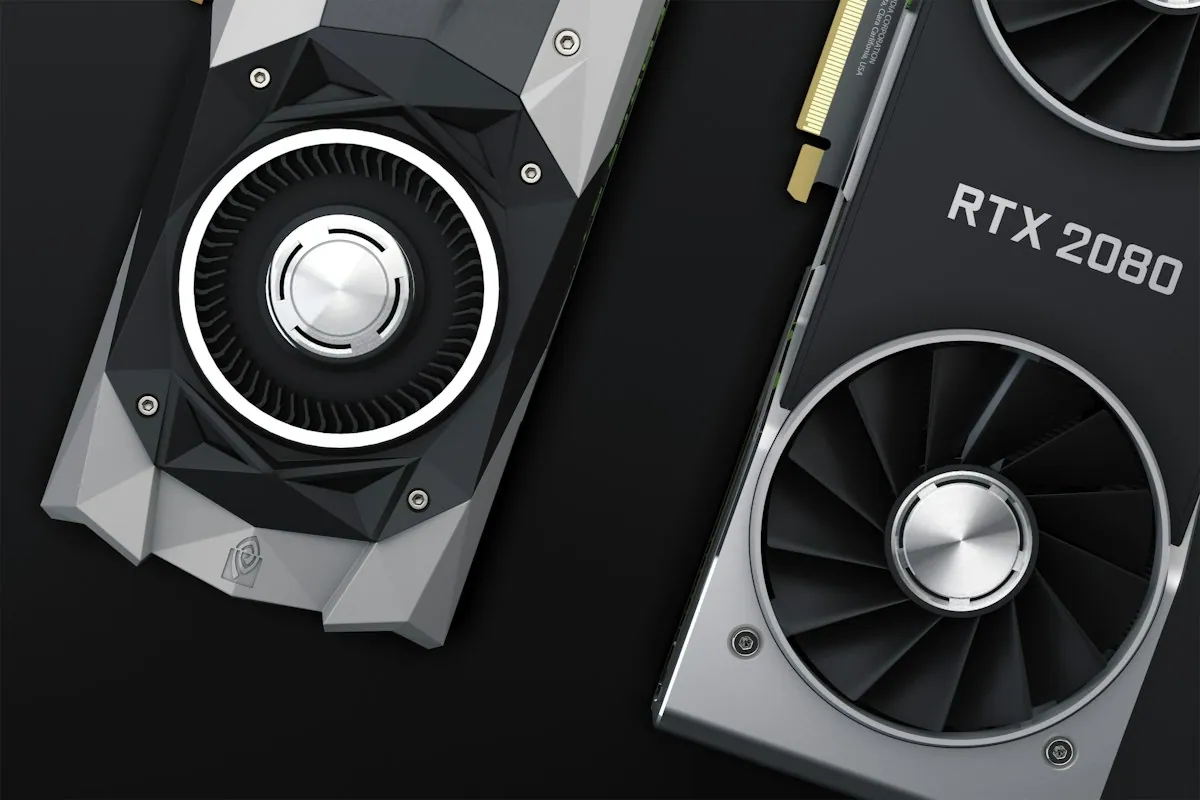
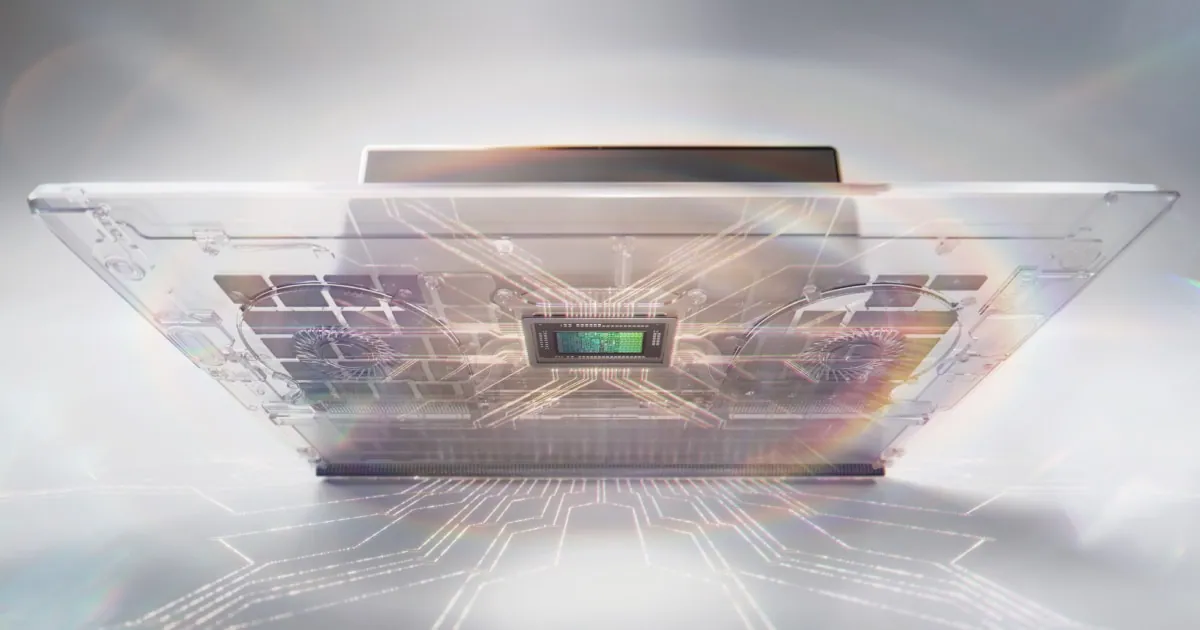
Meta is moving its in-house AI chip programme into a new phase. An internal memo reviewed by Reuters said the company planned to begin manufacturing its chip code-named Iris in September, part of an industry shift in which the largest AI data centre operators treat custom silicon as strategic infrastructure rather than a side project (Quartz, SemiWiki).
<blockquote><strong>Update, October 25:</strong> Meta has not publicly confirmed that Iris production began in September. In its third-quarter results, Meta raised the floor of its 2026 capital spending guidance to $135 billion.</blockquote>
From testing to production
Meta's chip effort, MTIA (Meta Training and Inference Accelerator), has been years in the making. Earlier this year Meta unveiled four chip variants under the Iris codename for its fourth-generation MTIA programme. According to the memo, the latest chip cleared bug testing in about six weeks with no significant issues, clearing the way for mass production. Broadcom is Meta's design partner and TSMC handles fabrication (Tech Insider).
The MTIA 300 already runs ranking and recommendation workloads in production, the models that decide what appears when you open Facebook or Instagram. The 450 and 500 variants, built for generative image and video inference, are due for wider deployment through 2027.
| Item | Detail |
|---|---|
| MTIA 300 | In production for ranking and recommendation |
| MTIA 450 and 500 | Generative image and video inference, wider deployment through 2027 |
| Design partner and foundry | Broadcom; TSMC |
| Testing | About six weeks, no significant issues (internal memo) |
| Compute capacity target | 7GW in 2026, 14GW in 2027 |
| 2026 capital spending guidance | $125 billion to $145 billion at the time; floor later raised to $135 billion |
The scale is huge. Meta guided to capital spending of $125 billion to $145 billion this year, and the memo ties the chip to expanding compute capacity from 7GW in 2026 to 14GW in 2027. Running even a meaningful share of that on its own silicon instead of purchased Nvidia GPUs would shift where much of that money goes.
Why every big AI company is doing this
Meta is not alone. OpenAI has unveiled its first custom inference chip, built with Broadcom, Anthropic has reportedly held talks with Samsung about chips of its own, and Amazon's Trainium and Google's TPU have run for years. Custom chips tend to excel at specific workloads without matching Nvidia's best general-purpose hardware across the board. For ranking and recommendation at enormous, predictable scale, a purpose-built chip can be much cheaper to run than a GPU bought at Nvidia's margins.
That does not end these companies' Nvidia relationships. Training frontier models is where Nvidia's hardware and CUDA software are hardest to displace, and Meta is expected to keep buying Nvidia GPUs in large volumes for years. Custom chips slow the growth of Nvidia spending rather than eliminate it.
Why it matters beyond data centres
The race is also over a scarcer resource than money: advanced manufacturing capacity. Meta's chips are reportedly made on TSMC's advanced nodes and paired with Samsung DRAM and SanDisk storage, the same supply chain phone, laptop and console makers rely on. When Meta, Google, Amazon and OpenAI compete with Apple, Samsung and Qualcomm for the same fabrication and advanced packaging capacity, the result is tighter supply and higher component costs further down the chain, echoing the memory price pressure already felt across the smartphone industry.
What to watch next
Watch for confirmation that Iris production started on schedule, and whether a training-capable MTIA chip eventually follows the inference-focused variants.
'/%3E%3Cstop offset='1' stop-color='rgb(201,215,245)'/%3E%3C/linearGradient%3E%3ClinearGradient id='s' x1='0' y1='0' x2='1' y2='1'%3E%3Cstop offset='0' stop-color='rgb(122,167,255)'/%3E%3Cstop offset='1' stop-color='rgb(197,139,255)'/%3E%3C/linearGradient%3E%3C/defs%3E%3Crect width='1200' height='675' fill='url(%23b)'/%3E%3Cellipse cx='600' cy='560' rx='400' ry='26' fill='rgb(0,0,0)' opacity='.15'/%3E%3Cg transform='translate(600 300)'%3E%3Cpath d='M-300-190H300A18 18 0 0 1 318-172V128H-318V-172A18 18 0 0 1-300-190Z' fill='rgb(243,182,200)' stroke='white' stroke-width='3'/%3E%3Crect x='-280' y='-170' width='560' height='270' rx='10' fill='url(%23s)'/%3E%3Ccircle cx='-120' cy='-30' r='110' fill='white' opacity='.14'/%3E%3Ccircle cx='130' cy='20' r='150' fill='white' opacity='.1'/%3E%3Cpath d='M-330 130H330L370 190A14 14 0 0 1 356 204H-356A14 14 0 0 1-370 190Z' fill='rgb(233,160,182)' stroke='white' stroke-opacity='.7' stroke-width='3'/%3E%3Crect x='-70' y='150' width='140' height='22' rx='8' fill='rgb(214,138,163)'/%3E%3C/g%3E%3C/svg%3E)