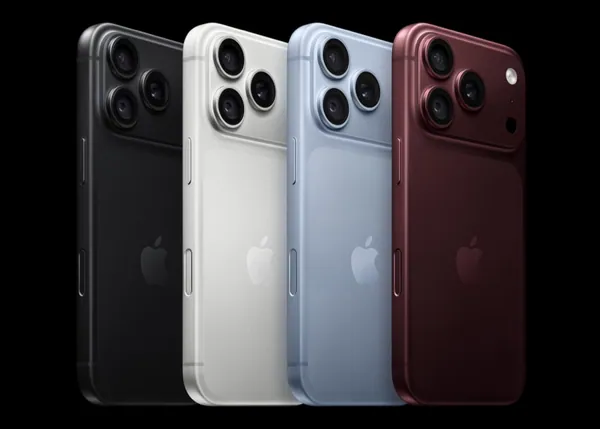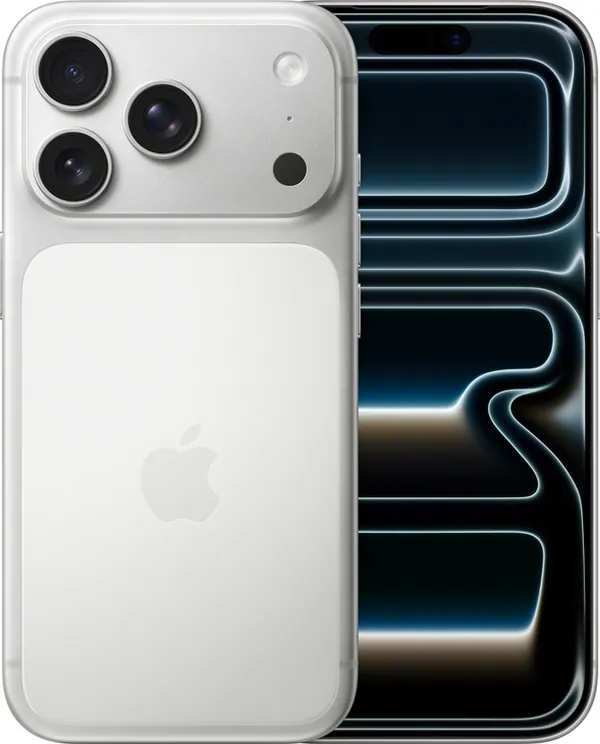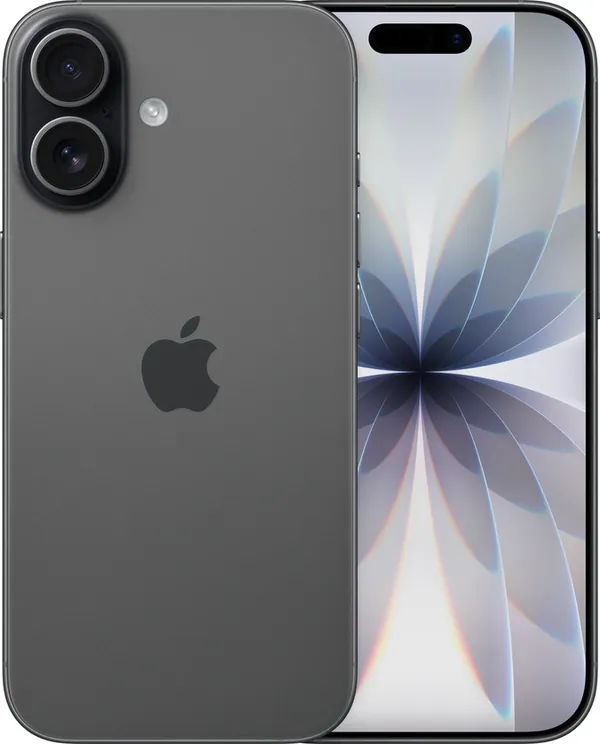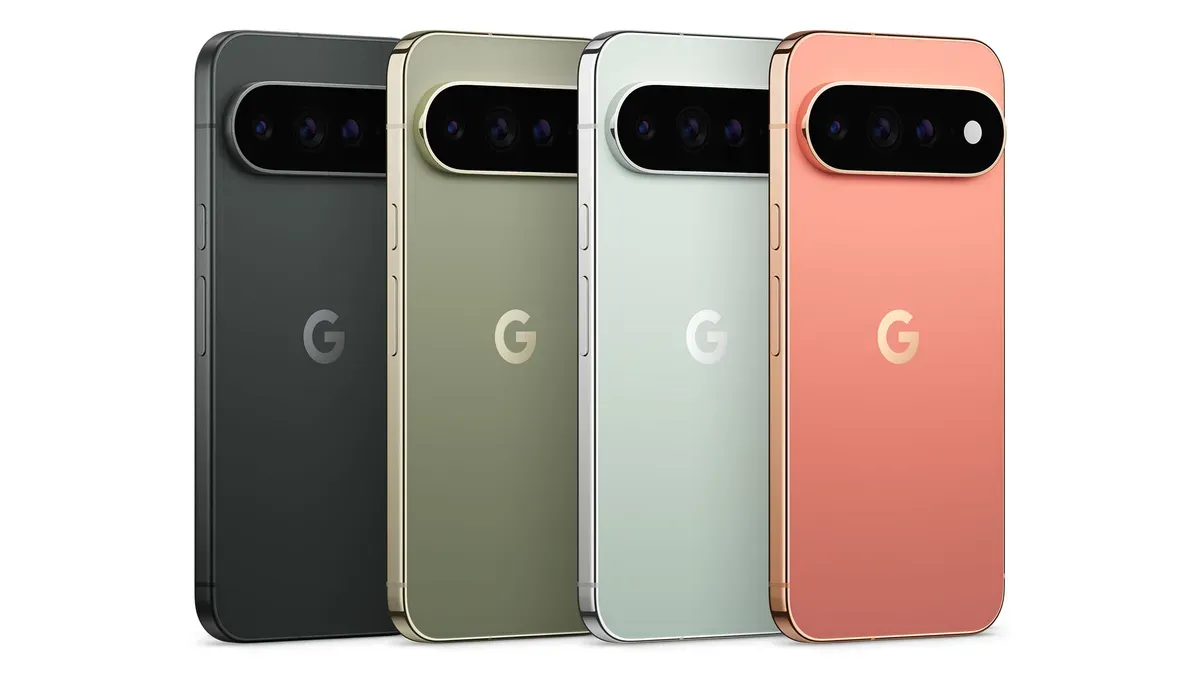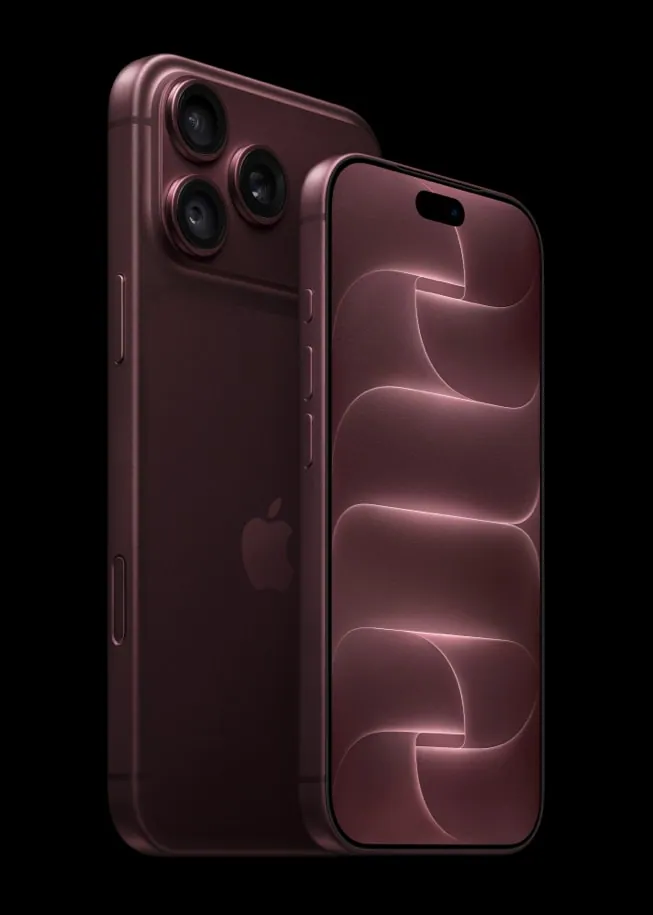
<p>The iPhone 18 Pro is the better choice for people who want raw speed, a brighter outdoor display and fast charging, while the Pixel 11 Pro suits buyers who want a lower price, a longer update promise and Google's software. Both are 6.3-inch flagships, both are eSIM only, and the gap between them in the US is $100.</p>
<h2>Specifications at a glance</h2>
<p>Apple's figures come from its iPhone 18 Pro specifications page. Google's come from the Google Store and Droid Life's spec table. Items marked as reported come from PhoneArena only.</p>
| Feature | iPhone 18 Pro | Pixel 11 Pro |
|---|---|---|
| Display | 6.3-inch Super Retina XDR OLED, 120Hz ProMotion | 6.3-inch Super Actua LTPO OLED, 1 to 120Hz |
| Peak brightness | 3,000 nits outdoor | 3,600 nits |
| Weight | 211 g | 7.2 oz (about 204 g, reported) |
| Chip | A20 Pro, 6-core CPU, 7-core GPU | Google Tensor G6 |
| Memory | 12GB (reported) | 12GB on 256GB, 16GB on 512GB and 1TB |
| Storage | 256GB to 2TB | 256GB to 1TB |
| Main camera | 48MP, variable aperture f/1.48 to f/4.0 | 50MP, f/1.7 (reported) |
| Ultra wide | 48MP, f/2.2 | 48MP |
| Telephoto | 48MP, 4x, plus 8x optical-quality crop | 48MP, 5x, up to 120x Pro Zoom |
| Front camera | 18MP Center Stage | 42MP, 103 degree field of view |
| Battery claim | Up to 24 hours typical, 36 hours video | 4,850mAh, 30+ hours |
| Wired charging | 50% in about 15 minutes with a 60W adapter | 30W, about 55% in 30 minutes |
| Wireless charging | Up to 25W MagSafe and Qi2 | Up to 25W Pixelsnap, Qi2.2 |
| Updates | iOS 27 at launch | 7 years of OS and security updates |
| US starting price | $1,199 for 256GB | $1,099 for 256GB |
<h2>Design and display</h2>
<p>The two phones are close in size. Apple's measures 150.0 by 71.9 by 8.75 mm and weighs 211 grams. PhoneArena lists the Pixel at 152.4 by 71.1 by 8.4 mm, and Droid Life puts its weight at 7.2 ounces, which is roughly 204 grams. Both carry IP68 ratings and both are eSIM only in the US, so neither has a physical SIM tray.</p>
<p>On the screen, both are LTPO OLED panels that scale up to 120Hz. Google quotes 3,600 nits of peak brightness, while Apple quotes 3,000 nits for outdoor peak and 1,600 nits for HDR. Peak figures are measured under different conditions by each company, so treat the 600-nit gap as a marketing difference until independent lab tests arrive. Apple offers Always-On and the Dynamic Island, while Google protects the glass with Gorilla Glass Victus 2.</p>
<h2>Performance</h2>
<p>This is where Apple holds its clearest advantage. The A20 Pro pairs two performance cores with four efficiency cores and a seven-core GPU with Neural Accelerators, and Apple claims up to 40 percent better sustained performance than last year's iPhone 17 Pro. PhoneArena expects the iPhone to be noticeably ahead in raw power and gaming.</p>
<blockquote>PhoneArena expects the iPhone 18 Pro to be noticeably better on raw power and gaming, while the Pixel leans on software and AI.</blockquote>
<p>The Tensor G6 is aimed at on-device AI, with Google claiming 50 percent more TPU compute and a vapor chamber for cooling. Memory is generous, with 12GB on the base model and 16GB on the larger ones, and PhoneArena reports the Pixel feels snappy in daily use. Independent benchmark and thermal results for both phones were not available when we wrote this, so the gap is based on the makers' claims and early impressions.</p>
<h2>Cameras</h2>
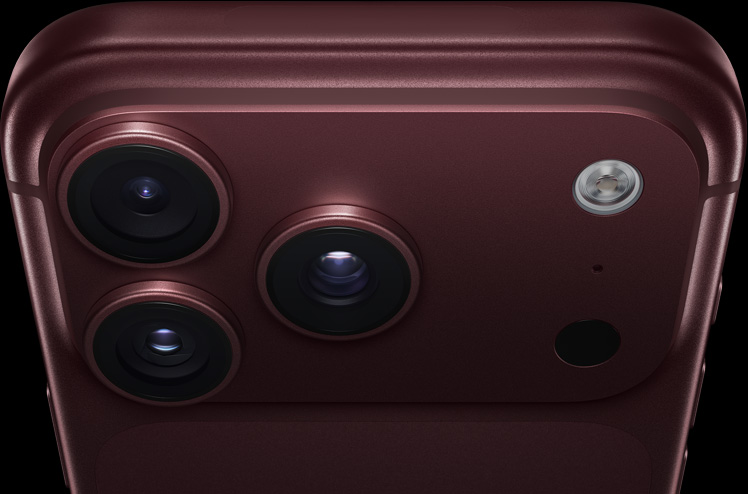
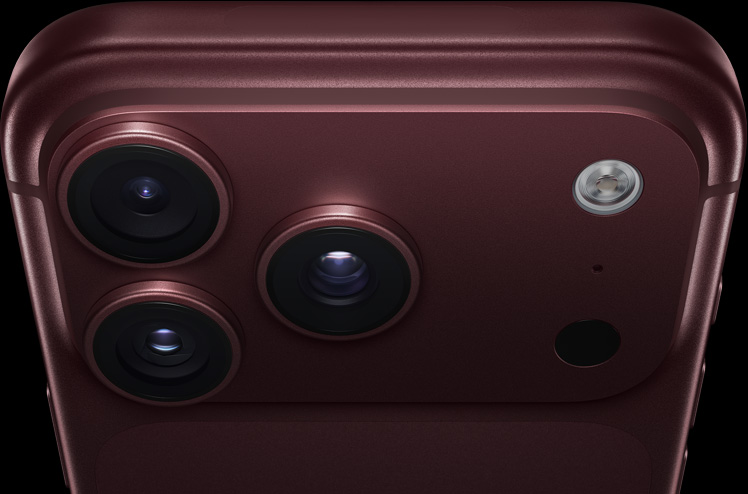
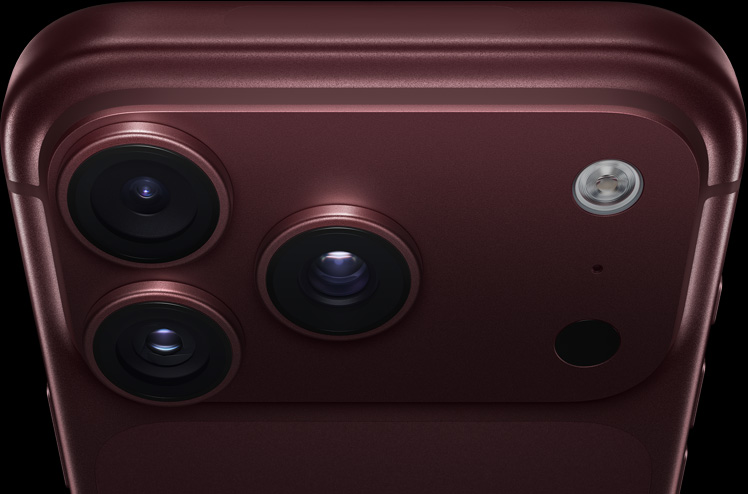
<p>Apple fits three 48MP rear sensors under what it calls the Pro Fusion system. The main lens has a variable aperture that moves between f/1.48 and f/4.0, and the telephoto reaches 4x optically with an 8x optical-quality crop. Google counters with a 50MP main sensor, a 48MP ultra wide and a 48MP 5x telephoto, with software zoom up to 120x. The Pixel's 42MP front camera is also far higher resolution than Apple's 18MP unit, which will matter to selfie and video call users.</p>
<p>Which one takes better photos is not settled. Imaging Resource, DPReview and others have published head-to-heads, and PhoneArena has said it still needs to test the cameras properly. We have no lab or sample-based result to call a winner, so judge this area from your own use and from full reviews as they land.</p>
<h2>Battery and charging</h2>
<p>Apple does not publish a battery capacity. It claims up to 24 hours of typical use and up to 36 hours of video playback on the iPhone 18 Pro, from preproduction units. Google lists a 4,850mAh cell and a claim of more than 30 hours. The two claims use different test methods, so they cannot be compared directly.</p>
<p>Charging favours Apple. With a 60W-capable adapter, Apple says the iPhone reaches 50 percent in around 15 minutes. Google rates the Pixel 11 Pro at 30W wired and about 55 percent in 30 minutes, and Droid Life saw the charging mode top out near 25W in its test. Wireless is level at up to 25W, with MagSafe on one side and Pixelsnap magnets on the other. Note that Google's larger Pixel 11 Pro XL charges faster, at a claimed 75 percent in 30 minutes, so check which model you are looking at in a shop listing.</p>
<h2>Software and updates</h2>
<p>The iPhone ships with iOS 27, and the Pixel runs Android with Google's Pixel Drops feature updates. Google promises seven years of OS and security updates, which is among the longest commitments in the industry. We could not find a comparable written figure from Apple for this model. If you plan to keep a phone for the long haul, Google is the only one that has put a number on it. The Pixel also supports Quick Share with AirDrop compatibility, which eases the move between ecosystems.</p>
<h2>Price</h2>
<p>The iPhone 18 Pro starts at $1,199 for 256GB in the US, according to PhoneArena and our own earlier coverage. The Pixel 11 Pro lists at $1,099 for the same storage on the Google Store. Retailers have also discounted the larger Pixel 11 Pro XL since launch, for example to $719.99 at Verizon according to Android Central, so check current Pixel deals before you decide, because street prices can run well below list.</p>
<h2>Which should you buy?</h2>
<p>Buy the iPhone 18 Pro if you want the faster chip, quicker wired charging and an ecosystem that already includes a Mac, iPad or Apple Watch. It is also the better fit for people who game on their phone, based on early expectations.</p>
<p>Buy the Pixel 11 Pro if you value the lower price, a long update window, a high-resolution front camera and Google's AI features. It is also the better fit for anyone staying in the Android and Google account world.</p>
<p>If you are undecided, wait for full lab reviews of battery life and camera performance, because those two areas are where the claims are least comparable today.</p>
<p>Published November 4, 2026. Gadgets365 will update this article as more information becomes available.</p>