Pixel 11 Pro XL vs Galaxy S26 Ultra: Same $1,299 Price, Very Different Phones
Google finally matches Samsung's price. The two phones still disagree on almost everything else.
If you want the best camera software and the cleanest Android, buy the Pixel 11 Pro XL. If you want the faster phone, the quicker charger, a privacy screen and an S Pen, buy the Galaxy S26 Ultra. Both start at $1,299 in the US for 256GB, which makes this the first year Google's biggest phone costs the same as Samsung's.
Two flagships, one price
Google announced the Pixel 11 series on August 12, 2026 and put the phones on shelves on August 20. The Pro XL starts at $1,299, a $100 rise over last year's model. Samsung unveiled the Galaxy S26 Ultra on February 25 and released it globally on March 11, keeping its US starting price at $1,299 while the S26 and S26+ went up. Retail promotions have since pushed both phones below those figures, so check current deals before paying list price.
| Feature | Pixel 11 Pro XL | Galaxy S26 Ultra |
|---|---|---|
| Display | 6.8-inch LTPO OLED, 1344 x 2992, 1-120Hz | 6.9-inch Dynamic AMOLED 2X, 3120 x 1440, 1-120Hz, Privacy Display |
| Peak brightness | 3,600 nits (Google) | 2,600 nits (reported) |
| Weight | About 227 g | 214 g |
| Chip | Google Tensor G6 | Snapdragon 8 Elite Gen 5 for Galaxy |
| RAM and storage | 12GB with 256GB; 16GB with 512GB or 1TB | 12GB with 256GB or 512GB; 16GB with 1TB |
| Main camera | 50MP, f/1.68 | 200MP, f/1.4 |
| Ultrawide | 48MP, f/1.7 | 50MP, f/1.9 |
| Telephoto | 48MP, 5x optical, f/2.8 | 50MP 5x optical, f/2.9, plus 10MP 3x optical |
| Front camera | 42MP | 12MP |
| Battery | 5,115 mAh | 5,000 mAh |
| Wired charging | 45W | 60W |
| Wireless charging | 25W Qi2.2 with magnets | 25W |
| Software at launch | Android 17 | One UI 8.5 on Android 16 |
| Updates | 7 years | 7 years |
| Water and dust | IP68 | IP68 |
| US starting price | $1,299 | $1,299 |
Google's figures come from its own spec page and launch posts. Samsung's come from its product page and launch coverage, and the S26 Ultra brightness figure is reported by third parties rather than confirmed on Samsung's own page.
Design and display
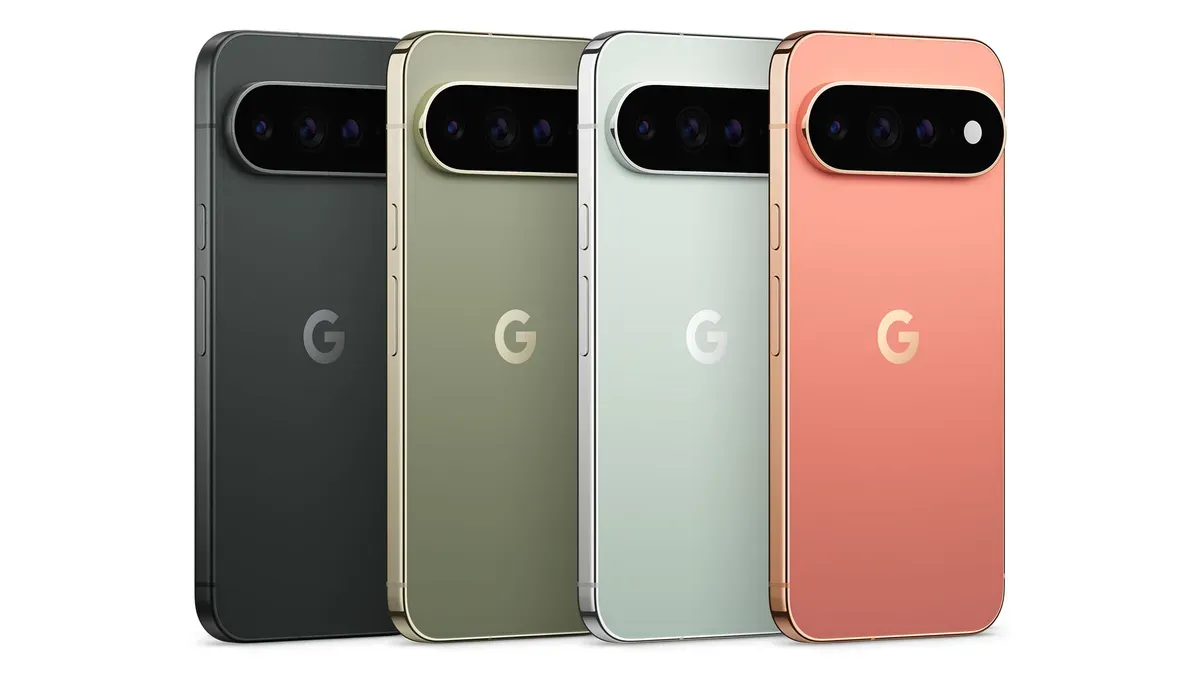
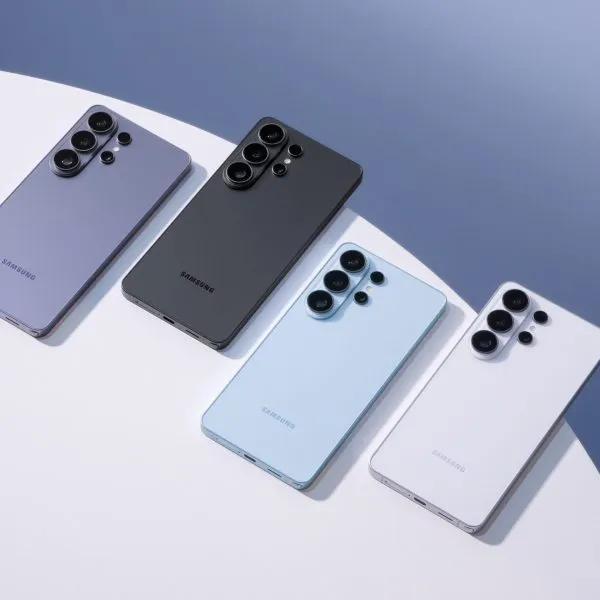
The Galaxy is the lighter phone by roughly 13 grams, a difference you notice after a long session of reading. The Pixel has flat sides and a tidier camera bar, while the Galaxy is the bigger screen by a tenth of an inch. Sources disagree on the Pixel's thickness, with figures of 7.6mm and 8.5mm in circulation, so we are not ranking the two on that point. Both carry IP68 ratings.
On paper the Pixel wins the display. Google claims 3,600 nits at peak, against about 2,600 for Samsung, and TechRadar scored the screen 5 out of 5. PhoneArena adds a caveat: it found the Pixel more reflective than the Galaxy and recent iPhones, which matters in direct sun. The Galaxy has one feature nobody else offers. Its built-in Privacy Display narrows viewing angles on demand, and it can be limited to certain apps or notifications.
Performance is not close
The Pixel feels fast in daily use, but every heavy workload tells the same story: Qualcomm is well ahead of Tensor.
PhoneArena's Geekbench 7 results put the S26 Ultra at 3,155 single-core and 10,733 multi-core, against 2,305 and 6,985 for the Pixel. In 3DMark Steel Nomad Light the Galaxy scored 2,761 against 1,207 at peak, a gap the reviewer called huge. Storage speeds also favor Samsung. TechRadar, testing with Geekbench 6, found the Pixel competitive in single-core work and behind in multi-core, and noticed no slowdowns during normal use.
Google leans on AI efficiency instead. It says Tensor G6 handles on-device AI tasks up to 3.5 times faster than the previous chip, and the new Titan M3 security chip brings post-quantum cryptography to secure boot. If you game seriously, the Galaxy is the clear choice. If you mostly use Gemini features, the Pixel's weaker silicon is less of a handicap.
Cameras
The Samsung brings more lenses and a 200MP main sensor. The Pixel has fewer, but a new main sensor, a larger 48MP telephoto with Google's claimed 30 percent gain in light sensitivity, and the software Google is known for. PhoneArena gave the Pixel 11 Pro XL a camera score of 158 and noted the Galaxy's colors are punchier while the Pixel's are more natural. Its new Camera Looks add film-style rendering, and Magic Capture won praise from both TechRadar and PhoneArena.
The weak spot is the 120x Pro Zoom, which TechRadar called a parlor trick that falls apart beyond roughly 30x, and the same review caught AI processing inventing details in some shots. The Galaxy's 3x and ultrawide cameras draw criticism from Android Central, though its extra 3x telephoto gives it coverage the Pixel lacks. On the front, the Pixel has a 42MP selfie camera to the Galaxy's 12MP.
Battery and charging
The batteries are close on paper, 5,115 mAh against 5,000 mAh, but the results differ. PhoneArena measured an estimated 6 hours 16 minutes of overall use for the Pixel against 7 hours 53 minutes for the Galaxy, and called the Pixel not a two-day phone. TechRadar, relying on a full day of real use, found the Pixel lasted from morning to night. Google claims 30 hours, and Samsung rates the Ultra at 31 hours of video playback, figures that are not comparable.
Charging is where Samsung pulls clear. Android Authority measured a full charge in 42 minutes, reaching 85 percent in 30, though it noted the phone holds 60W for only about two minutes before settling near 48W. PhoneArena clocked the Pixel at about 70 percent after 30 minutes and a full charge in 1 hour 9 minutes. TechRadar saw output stay under 28W on its charger and recorded 49 percent at the half-hour mark, improving with an optional Extreme Charging Mode. Wireless speeds match at 25W, but only the Pixel is Qi2.2 certified with built-in magnets for accessories.
Software and updates
Both phones come with a seven-year update promise. The Pixel ships with Android 17 and gets new releases first, plus six months of Google AI Pro on the Pro models in the US. The Galaxy launched on Android 16 with One UI 8.5, and adds the S Pen and on-device processing options. The Pixel's quirk is HiLight, the LED around the flash, which TechRadar and PhoneArena both found underused so far.
Which should you buy?
Buy the Pixel 11 Pro XL if camera quality and a clean, fast-updating Android experience matter more than benchmark numbers, if you rely on Gemini features, or if you want a magnetic Qi2.2 phone for accessories. Android Central, which was less convinced, still called it the best Pixel yet.
Buy the Galaxy S26 Ultra if you play demanding games, charge in a hurry, want the S Pen, or value the Privacy Display on commutes. It is lighter, faster and charges quicker at the same price, which is why Android Central and Tom's Guide both lean Samsung. If you own a recent flagship from either brand, neither is an urgent upgrade.
Watch for fuller battery tests as more outlets publish, and for how long Pixel 11 discounts keep it under Samsung's price.
Published October 29, 2026. Gadgets365 will update this article as more information becomes available.