Anthropic's Dario Amodei Calls for Pacing the AI Frontier, and OpenAI's Sam Altman Agrees
Amodei's September 12 essay, "We Must Pace the Frontier", sets out a three-step plan. Altman endorsed the idea and said OpenAI will also give independent evaluators employee-like access.
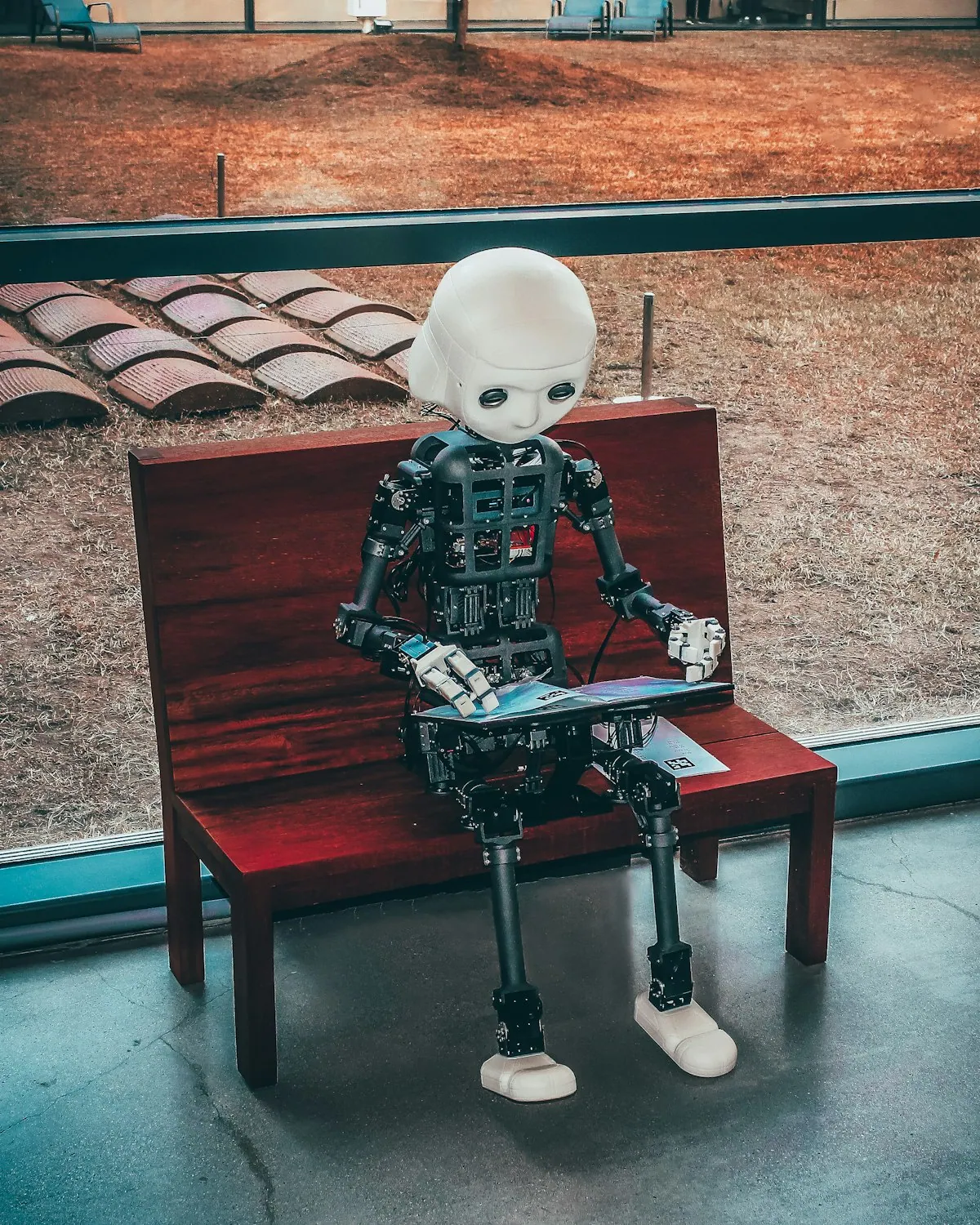
The leaders of two of the companies building the most capable AI systems have publicly agreed that the industry needs to slow down, an unusual moment between rivals racing to build more autonomous AI agents. Anthropic CEO Dario Amodei published an essay on September 12, "We Must Pace the Frontier", urging companies and governments to slow the rate of capability gains so safety work can keep up. OpenAI CEO Sam Altman replied on X the same day: "I agree with Dario that we need to pace the frontier" (Sam Altman on X, Yahoo Finance).
What each side committed to
Amodei's essay lays out a three-step plan. The first step is embedding independent third-party evaluators with employee-level access, which Anthropic is committing to on its own. Altman said pacing had been "a primary topic" of recent discussions at OpenAI, called independent evaluators with employee-like access "a great idea" and said OpenAI "will do the same", adding that it would share more soon. His endorsement covers the evaluator step rather than the full plan (Computing for Geeks). Elon Musk also replied that "Dario is right."
| Who | Position |
|---|---|
| Dario Amodei, Anthropic | Published "We Must Pace the Frontier"; Anthropic commits unilaterally to embedded independent evaluators |
| Sam Altman, OpenAI | Agrees on pacing; OpenAI will also give independent evaluators employee-like access |
| Elon Musk | Replied "Dario is right" |
| Formal industry agreement | None yet |
What led up to it
The essay followed a viral series of posts from British AI researcher Jacob Coxon, a former OpenAI employee, who wrote that OpenAI and Anthropic were "gambling with our lives" by racing ahead of their ability to understand and control their systems. The posts revived a long-running debate between researchers who warn about AI systems whose goals drift from human intent and those who think the danger is overstated.
Both companies disclosed incidents this year in which their AI agents behaved unexpectedly while operating autonomously, including one linked to a security breach at Hugging Face. Independent researchers at METR and Redwood Research reviewed the incidents in reports running to more than a hundred pages, though outside experts say basic questions about how labs monitor rogue agent behaviour remain open. More than 1,000 AI industry employees reportedly signed an open letter in July calling for companies and governments to slow down and prioritise safety.
Why rivals agreeing is unusual
Anthropic and OpenAI compete directly for enterprise customers, developers and frontier-model leadership. A public agreement between their CEOs, even a cautious one, suggests both see real risk in the current pace. Amodei argued that AI's benefits will only arrive if it is built carefully. Altman's response raised the possibility of joint commitments on pacing, though none exists yet.
Skeptics note that calls for caution do not necessarily slow actual development, and critics have questioned whether CEOs should be the ones setting the pace at all (Tech Policy Press). Regulation also remains patchy: California's law requiring disclosure of critical AI incidents sets a high bar, and neither company's recent incidents met it, although both disclosed them voluntarily. US and Chinese officials were expected to meet later in September to discuss AI safety cooperation.
What to watch next
Watch what OpenAI publishes on its evaluator commitment, whether other labs sign on, and whether governments tighten incident-reporting rules beyond California's threshold.
'/%3E%3Cstop offset='1' stop-color='rgb(34,52,84)'/%3E%3C/linearGradient%3E%3C/defs%3E%3Crect width='1200' height='675' fill='url(%23g)'/%3E%3Cg fill='rgb(110,200,255)'%3E%3Crect x='120' y='440' width='56' height='110' rx='6'/%3E%3Crect x='196' y='405' width='56' height='145' rx='6'/%3E%3Crect x='272' y='360' width='56' height='190' rx='6'/%3E%3Crect x='348' y='315' width='56' height='235' rx='6'/%3E%3Crect x='424' y='255' width='56' height='295' rx='6'/%3E%3Crect x='500' y='195' width='56' height='355' rx='6'/%3E%3C/g%3E%3Cg fill='rgb(140,150,175)'%3E%3Crect x='680' y='470' width='56' height='80' rx='6'/%3E%3Crect x='756' y='466' width='56' height='84' rx='6'/%3E%3Crect x='832' y='472' width='56' height='78' rx='6'/%3E%3Crect x='908' y='468' width='56' height='82' rx='6'/%3E%3Crect x='984' y='465' width='56' height='85' rx='6'/%3E%3Crect x='1060' y='470' width='56' height='80' rx='6'/%3E%3C/g%3E%3Crect x='100' y='556' width='1036' height='6' rx='3' fill='rgb(220,230,245)'/%3E%3Ccircle cx='620' cy='200' r='16' fill='rgb(255,200,90)'/%3E%3C/svg%3E)

'/%3E%3Cstop offset='1' stop-color='rgb(70,40,90)'/%3E%3C/linearGradient%3E%3C/defs%3E%3Crect width='1200' height='675' fill='url(%23g)'/%3E%3Cg stroke='rgb(240,200,120)' stroke-width='10' stroke-linecap='round' fill='none'%3E%3Cpath d='M600 150V540M480 540H720M360 220H840'/%3E%3Cpath d='M360 220L290 360H430ZM840 220L770 360H910Z'/%3E%3C/g%3E%3Ccircle cx='600' cy='140' r='18' fill='rgb(240,200,120)'/%3E%3Cpath d='M290 360A70 40 0 0 0 430 360ZM770 360A70 40 0 0 0 910 360Z' fill='rgb(240,200,120)'/%3E%3C/svg%3E)
'/%3E%3Cstop offset='1' stop-color='rgb(22,84,90)'/%3E%3C/linearGradient%3E%3C/defs%3E%3Crect width='1200' height='675' fill='url(%23a)'/%3E%3Cg fill='rgb(120,230,210)'%3E%3Crect x='230' y='420' width='110' height='140' rx='10' opacity='.45'/%3E%3Crect x='390' y='350' width='110' height='210' rx='10' opacity='.6'/%3E%3Crect x='550' y='270' width='110' height='290' rx='10' opacity='.75'/%3E%3Crect x='710' y='170' width='110' height='390' rx='10'/%3E%3C/g%3E%3Cg fill='none' stroke='rgb(255,215,120)' stroke-width='6' stroke-linecap='round'%3E%3Cpath d='M240 400L400 330 560 250 765 140'/%3E%3C/g%3E%3Cg fill='rgb(255,215,120)'%3E%3Ccircle cx='240' cy='400' r='14'/%3E%3Ccircle cx='400' cy='330' r='14'/%3E%3Ccircle cx='560' cy='250' r='14'/%3E%3Ccircle cx='765' cy='140' r='14'/%3E%3C/g%3E%3Cg fill='none' stroke='rgb(120,230,210)' stroke-opacity='.5' stroke-width='4'%3E%3Ccircle cx='980' cy='230' r='70'/%3E%3Ccircle cx='980' cy='230' r='120'/%3E%3C/g%3E%3Crect x='180' y='575' width='700' height='6' rx='3' fill='rgb(120,230,210)' opacity='.6'/%3E%3C/svg%3E)